Why Does My Stomach Hurt After Eating Spicy Food?
If you’ve found yourself wondering, “Why does my stomach hurt after eating spicy food?” you’re not alone! Many people experience discomfort after indulging in flavorful, spicy dishes. This question often arises after a delicious meal filled with chili, jalapeños, or that extra kick you’ve grown to love. It’s natural to seek answers, especially when your stomach starts to protest shortly after the last bite.
Understanding why spicy foods might trigger a little turmoil in your tummy involves looking at how they interact with your body. Various factors can come into play, including your personal sensitivities, the nature of the ingredients, and even the way your body processes food. So let’s dive into this spicy topic and see if we can uncover what’s happening inside you!
What Does This Mean?
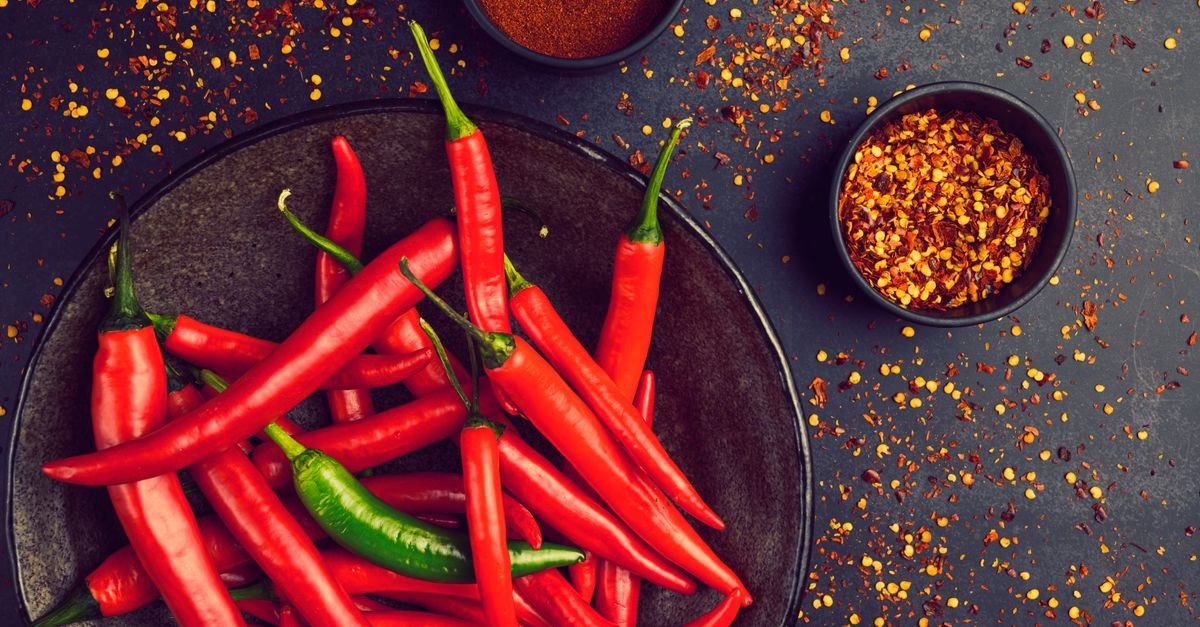
When you eat spicy food, you’re usually tasting compounds known as capsaicin, which is what gives chili peppers their heat. For many, spicy foods can add excitement to meals rather than discomfort. However, if you find that your stomach frequently hurts after enjoying a spicy dish, it might be a sign that your digestive system has a little trouble with those fiery flavors. Digestive health is essential for overall well-being, so let’s break down this topic in a straightforward way.
Why Does This Happen?
One possible reason you might feel discomfort after eating spicy food is due to how spicy ingredients influence your stomach lining. For some individuals, the intense heat can irritate the gastrointestinal tract, leading to symptoms like sharp pains, cramping, or a burning sensation. Another common factor could be an individual’s tolerance level for spice. Some people digest spicy food with ease, while others may need to take it slow.
In some people, especially those with sensitive stomachs, spicy foods can trigger conditions like acid reflux or even gastritis (inflammation of the stomach lining). Research suggests that frequent consumption of highly spiced foods can exacerbate these conditions, leading to discomfort. However, everyone’s body is different, and what causes discomfort for one person may be enjoyable for another.
Common Causes
Let’s explore some of the main reasons why spicy foods might lead to stomach discomfort:
1. Acid Reflux
Acid reflux occurs when stomach acid flows back into the esophagus, leading to a burning sensation known as heartburn. Spicy foods may trigger this reaction in some individuals, especially those with a history of reflux problems. You might notice the discomfort occurs soon after a meal.
To manage this, you can try eating smaller, more frequent meals, avoiding lying down immediately after eating, and steering clear of other known triggers like caffeine or citrus.
2. Gastritis
Gastritis is when the stomach lining becomes inflamed. Spicy food can aggravate this condition, leading to pain, nausea, or bloating. If you have a sensitive stomach, it’s wise to moderate your intake of spicy dishes.
If you’re experiencing symptoms like prolonged stomach pain, talking to a healthcare professional is a good idea.
3. Food Intolerances
Some people may have intolerance to certain ingredients common in spicy foods, such as certain oils or dairy products. This might cause symptoms like cramping or bloating after meals.
Keeping a food diary can help determine if specific ingredients consistently trigger discomfort so you can adjust your meals accordingly.
4. Overeating
Gorging on spicy food, especially when combined with rich or fried ingredients, can upset your stomach, leading to discomfort. It’s essential to enjoy your favorite spicy snacks in moderation to help prevent these issues.
Signs and Symptoms to Watch For
When it comes to what you might feel after eating spicy foods, there are some common symptoms:
- Burning sensation in the stomach
- Nausea or vomiting
- Bloating or gas
- Diarrhea
While these symptoms can be annoying, they typically resolve on their own. However, if you’re experiencing more severe symptoms like persistent pain, blood in your stool, or unexplained weight loss, it’s important to consult a healthcare professional.
What Can Make It Worse?
Understanding what factors can aggravate post-spicy food discomfort may help you enjoy your favorite foods more comfortably:
- Diet: Eating heavy meals, especially those high in fat and spices, may worsen symptoms.
- Eating habits: Eating too quickly can lead to digestive issues, regardless of what you’re eating.
- Hydration: Insufficient water intake may contribute to digestive discomfort. Staying hydrated can support your digestive health.
- Stress: High levels of stress can impact digestion and worsen symptoms associated with spicy foods.
- Alcohol and smoking: Both can irritate the digestive system and amplify the effects of spicy food.
Foods and Drinks Related to the Topic
While certain foods may bring joy, they can also bring uncomfortable symptoms after you have spicy meals. Here’s what to consider:
- Cooling foods: Some people find that dairy products like yogurt can help soothe a spicy stomach, while others might prefer milder options such as rice and bread.
- Ginger tea: Known for its soothing properties, sipping ginger tea after a spicy meal may help settle your stomach.
- Hydration: Drinking plenty of water can help flush out irritants and might ease discomfort.
What Can We Do?
If you’ve identified that spicy foods may cause discomfort, consider these practical steps to help:
- Take it slow: Start with mild spices and gradually increase the heat to build your tolerance.
- Manage portion sizes: Smaller portions can reduce the burden on your digestive system, improving your comfort levels.
- Stay hydrated: Drinking water or herbal teas may reduce discomfort and support digestion.
- Focus on a balanced diet: Including plenty of fruits, vegetables, and whole grains can support overall digestive health.
- Stress management: Practices like yoga and mindfulness may help reduce stress and its impact on digestion.
When Should You See a Doctor?
If you experience persistent or severe symptoms after eating spicy foods, it’s wise to seek medical advice. Pay attention to warning signs such as:
- Severe or persistent stomach pain
- Blood in your stool
- Unexplained weight loss
- Persistent vomiting
- Difficulty swallowing
- Severe weakness
Your comfort is important, and it’s always better to be safe and discuss concerns with a healthcare professional!
Frequently Asked Questions
Why am I always uncomfortable after eating spicy food?
If you regularly experience discomfort, it could be due to your body’s reaction to capsaicin or existing digestive issues. Consider moderating your spice intake and observing any patterns.
Can food allergies cause stomach pain after eating spicy food?
Yes, food intolerances or allergies can lead to symptoms after eating spicy foods, especially if certain ingredients trigger a reaction. Keeping a food diary can help identify potential allergens.
Can drinking milk help after eating spicy food?
Milk can sometimes help because it contains fats that may coat the stomach and soothe irritation caused by spice. Yogurt might also be beneficial.
Is spicy food bad for everyone?
Not necessarily! While some people may experience discomfort, many enjoy spicy foods without issues. Individual tolerance varies widely.
How long does it take for symptoms to resolve?
Symptoms may vary in duration; often they’re temporary and resolve within a few hours. If pain persists, it’s wise to consult a medical professional.
Are there any benefits to eating spicy food?
Spicy foods can have health benefits, including improved metabolism and certain cardiovascular benefits. However, moderation is key!
Should I stop eating spicy food altogether?
If spicy foods regularly cause discomfort, it may be wise to reduce intake. However, some people can enjoy them safely—it’s about knowing your body.
What is the best way to prepare my digestive system for spicy food?
Slowly introducing spicy foods into your diet and ensuring you have a balanced meal can help your body adjust and potentially lessen discomfort.
What the Research Says About Why Does My Stomach Hurt After Eating Spicy Food?
Research has explored the effects of capsaicin and its impact on the digestive system. Studies indicate that, while many enjoy the health benefits associated with spicy foods—like improved metabolism—those with conditions like gastritis or acid reflux may find that spicy foods exacerbate their symptoms. A systematic review emphasized the importance of individual tolerance levels, suggesting that while some people could handle richer spices, others may experience significant discomfort (Mayo Clinic).
In short, while spicy foods can be a delightful addition to our diet, it’s crucial to listen to our bodies and understand our personal limits. Managing intake thoughtfully can foster a more enjoyable dining experience.
Simple Daily Habits That May Support Better Health
Sometimes, small changes can pave the way for better digestion and overall comfort:
- Practice mindful eating: Chew your food thoroughly and eat slowly to promote good digestion.
- Stay active: Regular exercise can improve your digestive health and may help alleviate some discomfort after eating.
- Improve sleep habits: Getting adequate rest can positively affect digestion and overall well-being.
- Consider a balanced diet: A mix of whole foods can support better digestion and overall health.
Final Thoughts
In conclusion, many people wonder, “Why does my stomach hurt after eating spicy food?” The truth is, while spicy foods can be delicious and even health-promoting, they can also trigger discomfort for some individuals. Factors such as acid reflux, gastritis, food intolerances, and how much you eat all play a role in how your body reacts to spicy dishes. By understanding your body’s signals and practicing moderation, you can continue to enjoy flavorful meals while keeping discomfort at bay.
We often overlook our body’s responses, but it’s essential for us to pay attention. If you notice persistent or severe symptoms, consulting a healthcare professional is always wise. Remember, your comfort matters, and you can savor the exciting world of spicy cuisine while being mindful of how it makes you feel!
Sources and References
National Institutes of Health: Digestion and Health. Available at: https://www.nih.gov
Mayo Clinic: Gastritis. Updated 2023. Available at: https://www.mayoclinic.org/diseases-conditions/gastritis/symptoms-causes/syc-20348151
Cleveland Clinic: Lifestyle Changes to Reduce Heartburn. Available at: https://my.clevelandclinic.org/health/diseases/4534-heartburn
Johns Hopkins Medicine: Healing Your Digestive System. Available at: https://www.hopkinsmedicine.org/health/wellness-and-prevention/healing-your-digestive-system
American Gastroenterological Association: Overview of Acid Reflux. Available at: https://www.gastro.org/clinical-practice-guidelines/gerd
Medical Disclaimer
This article is for general educational and informational purposes only. It is not intended to provide medical advice, diagnosis, or treatment. Health conditions can affect people differently, and information that is appropriate for one person may not be appropriate for another. If you have persistent, severe, or concerning symptoms, speak with a qualified healthcare professional for personalized advice.
Further Reading
Ivf Shot Schedule: 10 Things You Should Know
Omeprazole and Alcohol: Is It Safe to Mix?
what does a growth spurt in pregnancy feel like
Photo by Jana Ohajdova on Pexels.