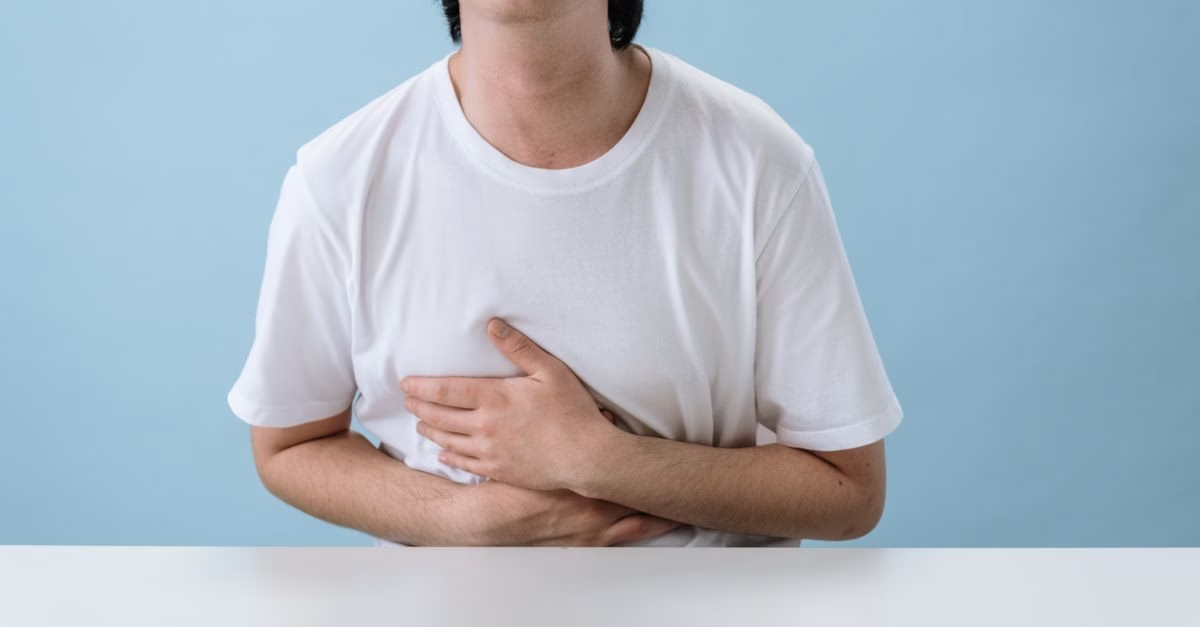
Why does my stomach hurt after eating? If you’ve found yourself curling up in discomfort following a meal, you’re not alone. Many people experience stomach pain after eating, and it can leave you feeling anxious about your next meal. Understanding why this happens is the first step toward finding relief and enjoying your food again. Stomach pain after eating can stem from a range of causes, from something minor like overeating to more serious digestive issues.
In this article, we’ll explore the common reasons your stomach might hurt after meals, signs to watch for, and when it’s wise to consult a healthcare professional. By the end, you’ll have a clearer understanding of what might be going on and some steps you can take to help ease your discomfort. Let’s dive in and figure this out together!
What Does This Mean?
When you ask, “Why does my stomach hurt after eating?” it usually relates to discomfort in the abdominal area that occurs after consuming food. This pain can feel crampy, sharp, bloated, or achy, and its intensity can vary from mild to severe. Understanding terms like **indigestion**—which is a general term for discomfort in the digestive tract—can help clarify what you’re experiencing.
Other important terms to know include **gastritis**, which is inflammation of the stomach lining, and **food intolerances**, which happen when your body has trouble digesting certain foods. Knowing these terms can help you communicate more effectively with a healthcare provider if you decide to seek help.
Why Does This Happen?
Several factors could contribute to why your stomach hurts after eating:
One possible reason could be **eating too fast**. When we rush through meals, we often swallow air along with our food, which can lead to discomfort as your stomach tries to process it. Another common factor is the **type of food consumed**. Rich, greasy, or spicy foods can irritate your stomach lining and lead to pain.
In some people, **food intolerances** can trigger digestive discomfort after meals. This means your body may not properly digest certain foods, like dairy or gluten. Research suggests that up to 15% of the U.S. population has some form of food intolerance (National Institute of Diabetes and Digestive and Kidney Diseases). Additionally, stress can also exacerbate digestive issues, making it important to consider emotional well-being along with dietary factors.
Common Causes
Now, let’s explore some common causes of stomach pain after eating in more detail:
1. Indigestion
Indigestion is one of the most common culprits behind post-meal discomfort. It can lead to bloating, gas, and a burning feeling in your stomach. You might notice this happens frequently after eating rich or heavy foods. To alleviate symptoms, consider eating smaller meals and avoiding overly processed foods. If your discomfort persists, it might be time to consult a healthcare professional.
2. Food Intolerances
If certain foods seem to trigger your stomach pain, you may have a food intolerance. Common offenders include lactose (found in dairy products) and gluten (found in wheat). Pay attention to your diet and see if cutting back on specific foods helps ease your symptoms. If you suspect you have a food intolerance, a visit to a doctor or dietitian could provide guidance.
3. Gastritis or Ulcers
Gastritis or ulcers involve inflammation or sores in the stomach lining due to factors like excessive alcohol use, certain medications, or infection. Symptoms include pain that can be severe and may require medical attention. If you experience persistent or worsening pain, it’s essential to talk to a healthcare provider for proper diagnosis and treatment.
4. Gallbladder Issues
A malfunctioning gallbladder can also lead to post-meal pain, especially after eating fatty or greasy foods. If you notice nausea or swelling along with your stomach pain, it’s crucial to reach out to your doctor.
5. Constipation
Sometimes, constipation can cause discomfort after meals due to the buildup of gas and pressure in the digestive tract. If this is a concern, focusing on hydration, regular exercise, and a fiber-rich diet may help relieve symptoms.
Signs and Symptoms to Watch For
It’s important to be aware of the symptoms associated with stomach pain after eating.
Common symptoms include:
- Bloating
- Gas
- Abdominal cramping
- Burning sensation in the stomach
However, keep an eye out for symptoms that may signal a more serious issue, such as:
- Severe or persistent pain
- Blood in your stool
- Unexplained weight loss
- Persistent vomiting
- Difficulty swallowing
- Fever
If you notice these more serious symptoms, it’s best to consult a healthcare professional promptly.
What Can Make It Worse?
Several lifestyle and dietary factors may worsen stomach pain after eating. Here are a few to consider:
Diet: Fatty, spicy, or acidic foods can irritate your stomach lining.
Eating habits: Eating too quickly or not chewing food thoroughly can lead to discomfort.
Hydration: Not drinking enough water throughout the day may contribute to constipation.
Stress: High-stress levels can impact digestive health, so practicing stress management might be beneficial.
Alcohol and Smoking: Both of these habits can irritate the stomach lining and affect digestion.
Foods and Drinks Related to the Topic
Diet plays a significant role in digestive health. Here’s how different foods might relate to stomach pain after eating:
Some foods that may help with digestion include:
- Whole grains
- Fruits and vegetables
- Lean protein sources
On the flip side, some foods may worsen symptoms, such as:
- Spicy foods
- High-fat foods
- Processed snacks
Remember, everyone’s digestive system is different! It’s essential to observe how your body responds and adjust as needed.
What Can We Do?
Finding relief from stomach pain after eating can involve a few practical changes. Here are some recommendations that may help:
1. Slow Down While Eating: Taking your time to chew your food thoroughly can reduce the amount of air swallowed and help ease digestion.
2. Watch Your Portions: Eating smaller, more frequent meals may prevent your stomach from feeling overloaded.
3. Stay Hydrated: Drinking water throughout the day can support digestion but avoid drinking large amounts right before or during meals.
4. Identify Trigger Foods: Keeping a food diary can help identify any specific foods that lead to discomfort.
5. Manage Stress: Incorporating stress-reducing techniques like meditation, exercise, or deep breathing may positively impact digestive health.
Always consult a healthcare provider for personalized advice, especially if your symptoms persist or worsen.
When Should You See a Doctor?
While many cases of post-meal stomach pain can be managed at home, some symptoms warrant a visit to a healthcare professional.
If you experience:
- Severe or persistent pain
- Blood in stool
- Unexplained weight loss
- Persistent vomiting
- Difficulty swallowing
- Fever or severe weakness
It’s essential to seek medical advice to rule out any serious underlying conditions.
Frequently Asked Questions
Why am I always having stomach pain after eating?
Regular pain could be linked to several factors, including diet, eating habits, or digestive disorders. Keeping a record of symptoms can help identify potential triggers.
Can food cause stomach pain after eating?
Yes! Certain foods may irritate your stomach or trigger an intolerance response. It’s beneficial to pay attention to what you eat to find potential culprits.
When should I worry about stomach pain after eating?
Seek medical advice if your symptoms are severe, persistent, or accompanied by red flag symptoms like blood or weight loss.
Is it normal to feel bloated after eating?
Bloating can be normal, especially after large meals, but it shouldn’t be a consistent issue. If it lasts or causes distress, consider discussing it with a doctor.
Can stress contribute to stomach pain after eating?
Absolutely! Stress can significantly impact digestion and lead to discomfort. Finding stress-relief techniques may help improve symptoms.
How can I manage my symptoms at home?
Some effective home management strategies include eating smaller meals, staying hydrated, and identifying any trigger foods.
Could I have a food intolerance if my symptoms vary?
Yes, food intolerances can cause varying symptoms depending on the amount consumed and other factors like stress. Keeping track of your symptoms in relation to food can help.
Is this condition treatable?
Many causes of stomach pain after eating can be managed with lifestyle changes, dietary adjustments, or medications. Consulting with your healthcare provider is a good starting point.
What the Research Says About Why Does My Stomach Hurt After Eating?
Research highlights a range of factors that can lead to stomach pain after eating. A study from the American Gastroenterological Association indicates that food intolerances and allergies can significantly impact digestive health. Other research has shown the role of stress in exacerbating gastrointestinal symptoms, linking mental health to gut health.
Overall, it’s important to consider both dietary choices and emotional well-being in understanding and managing stomach pain after eating.
Simple Daily Habits That May Support Better Health
Adopting some healthy daily habits can make a world of difference when it comes to digestive health. Here are some simple habits to consider:
1. Eat Mindfully: Take time to enjoy your food and chew it well—this supports digestion.
2. Stay Active: Regular physical activity promotes digestion and overall well-being.
3. Stay Hydrated: Aim to drink plenty of water throughout the day to aid digestion.
4. Practice Stress Reduction: Engage in relaxation techniques like yoga or meditation to support both mental and digestive health.
Taking small steps consistently can lead to major benefits, making it easier to enjoy food without discomfort.
Final Thoughts
We often find ourselves puzzled when faced with discomfort after meals, and knowing the reasons behind “why does my stomach hurt after eating?” can empower us to take action. Our bodies send signals when something is off, and paying attention to these signals is key.
If we notice patterns in our symptoms, making lifestyle adjustments, seeking stress relief, and tracking our diets can provide clues to improve our digestive health. Remember, though, that it’s always wise to consult a healthcare professional for persistent concerns or unsettling symptoms. By working toward understanding our bodies, we can foster a better relationship with food and each meal we enjoy.
Sources and References
National Institutes of Health: Understanding Food Intolerance. [https://www.nih.gov](https://www.nih.gov)
Cleveland Clinic: Gastritis. [https://my.clevelandclinic.org](https://my.clevelandclinic.org)
American Gastroenterological Association: Food Intolerances and Digestive Health. [https://www.gastro.org](https://www.gastro.org)
National Institute of Diabetes and Digestive and Kidney Diseases: Indigestion. [https://www.niddk.nih.gov](https://www.niddk.nih.gov)
Mayo Clinic: Gallbladder Problems. [https://www.mayoclinic.org](https://www.mayoclinic.org)
Medical Disclaimer
This article is for general educational and informational purposes only. It is not intended to provide medical advice, diagnosis, or treatment. Health conditions can affect people differently, and information that is appropriate for one person may not be appropriate for another. If you have persistent, severe, or concerning symptoms, speak with a qualified healthcare professional for personalized advice.
Further Reading
Ivf Shot Schedule: 10 Things You Should Know
Omeprazole and Alcohol: Is It Safe to Mix?
what does a growth spurt in pregnancy feel like
Photo by cottonbro studio on Pexels.