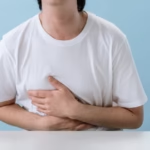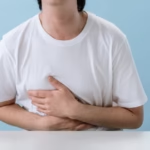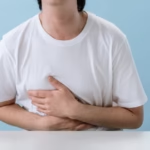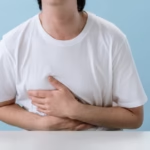
Why Does My Stomach Hurt After Drinking Water?
If you’ve ever found yourself wondering, “Why does my stomach hurt after drinking water?” you’re not alone. This can be a perplexing experience, especially since water is essential for our well-being. While drinking water is usually healthy, some people notice discomfort in their stomachs afterward. This might lead you to question what could be causing this feeling and if there’s a reason to be concerned.
Understanding why this happens is important. It could be simply that you’re gulping it down too quickly or that your body is reacting to temperature changes. Other times, this discomfort could be a sign that something else is happening within your digestive system. Let’s explore this topic to help you understand potential causes, symptoms, and what to keep in mind.
What Does This Mean?
Your stomach hurting after drinking water may well be a sign of something as straightforward as drinking too fast, but it can also be linked to deeper digestive issues. When we think about our digestive system, it’s a complex network that breaks down food and absorbs nutrients, and any interruption in this process can cause discomfort. It’s good to know that this experience is common for many people and often has manageable solutions.
Why Does This Happen?
There are several potential reasons that might explain why your stomach feels uneasy after sipping on water. One possible reason is related to your eating habits. For instance, if you often consume fluids quickly, it may create a scenario where air gets trapped in the stomach, leading to bloating or discomfort.
Another common factor could be related to the temperature of the water you drink. Some folks have reported that drinking very cold water can cause their stomach to cramp, while others experience discomfort when drinking hot beverages. It’s all about how your body reacts to temperature changes!
In some people, this could also be linked to more significant digestive issues, like food intolerances or conditions such as Irritable Bowel Syndrome (IBS). Research suggests that for individuals with sensitive digestive systems, even the simplest actions—like drinking water—can result in discomfort.
Common Causes
Let’s take a closer look at some specific causes of stomach pain after drinking water:
1. Drinking Too Quickly
When you drink water too fast, it can lead to swallowing air alongside it, which contributes to bloating and discomfort in the stomach. When you gulp down water, try to take it slow and steady. If you feel discomfort, consider sipping water gradually instead.
2. Temperature Sensitivity
Cold water can cause muscles in your stomach to contract, leading to feelings of cramp. Conversely, hot water can cause similar sensations for some individuals. Paying attention to how water temperature affects your body might be helpful. Experiment with lukewarm water if that makes a difference.
3. Underlying Digestive Problems
Sometimes, an underlying digestive issue could be at play. Conditions like IBS, acid reflux, or even a gastric ulcer can result in discomfort when drinking water. If this is a recurring problem, it’s wise to consult with a healthcare professional.
4. Food Intolerances
If you have certain food intolerances, sometimes they can manifest symptoms after eating or drinking. This can lead to swelling or abdominal pain when you’re drinking water. Keeping a food diary could help in identifying patterns.
Signs and Symptoms to Watch For
When determining if your stomach discomfort after drinking water is something to worry about, it helps to recognize what symptoms are common and which may require attention.
- Common symptoms: Mild stomach pain, bloating, or feelings of fullness after drinking water.
- Symptoms that may require medical attention: Severe or persistent pain, blood in your stool, unexplained weight loss, or persistent vomiting.
It’s essential to differentiate between occasional discomfort and ongoing pain. If symptoms keep returning or worsening, that’s a cue to reach out to a healthcare provider.
What Can Make It Worse?
Several factors could be contributing to your pain after drinking water. It’s important to recognize them to avoid worsening your symptoms:
- Diet: Foods that create gas can exacerbate discomfort, particularly if consumed around the same time as drinking water.
- Hydration habits: Dehydration or overhydration can both irritate your stomach. Finding a balance is essential.
- Stress: High-stress levels can impact gut motility, sometimes making stomach pains more likely.
- Alcohol and smoking: Both can irritate your gastrointestinal tract, potentially leading to discomfort when drinking water.
Foods and Drinks Related to the Topic
Your diet plays a significant role in how your stomach reacts to drinking water. While there’s no definitive list of good or bad foods in this context, it’s clear that our bodies respond differently to various foods. For some, high-fiber foods can help digestion, while for others, they may complicate things.
Staying away from carbonated drinks and high-sugar content might ease discomfort for some individuals. It’s also essential to listen to your body—if certain foods seem to make the problem worse, it may be wise to adjust your eating habits.
What Can We Do?
Here’s a mix of practical steps you can take that may help reduce discomfort:
- Drink slowly: Take small sips instead of gulping. This can help prevent air bubbles from causing bloating.
- Adjust water temperature: Experiment with drinking room temperature water to see if that eases symptoms.
- Monitor your diet: Keep a food diary to identify any foods that might interact negatively with your water intake.
- Consider relaxation techniques: If stress is a factor, techniques such as deep breathing or mindfulness can support overall gut health.
When Should You See a Doctor?
If you experience persistent pain or concerning symptoms related to your stomach discomfort after drinking water, it may be time to reach out to a healthcare provider. Here are some specific warnings:
- Severe or ongoing stomach pain
- Blood in stool or vomit
- Unexplained weight loss
- Persistent vomiting or difficulty swallowing
- Symptoms that worsen despite changes in habits
Frequently Asked Questions
Why am I always experiencing stomach pain after drinking water?
Frequent stomach pain may indicate a sensitivity to temperature changes, issues with how quickly you’re drinking, or underlying digestive problems. Keeping track of your habits may help identify the cause.
Can my diet be the cause of stomach pain after drinking water?
Yes, specific foods can create gas and bloating when consumed around the same time as drinking water. Keeping a food diary can help you pinpoint any connections.
What is a good temperature for drinking water if I experience pain?
Many people find that room temperature water is easier on the stomach. Experiment to see what works best for you.
Can stress contribute to my stomach hurting after drinking water?
Absolutely! Stress can affect digestion, leading to discomfort in the stomach. Managing stress may aid in reducing these symptoms.
How can I tell if my symptoms require medical attention?
If your discomfort is severe, persistent, or accompanied by other concerning symptoms such as blood in your stool or unexplained weight loss, you should contact a healthcare professional.
Are there any safe dietary habits to adopt?
Focus on eating balanced meals, drinking water at a comfortable temperature, and staying mindful of eating and drinking speed. These habits might support better digestion.
What if my symptoms persist even after making lifestyle changes?
If you’ve adjusted your habits and still experience stomach pain after drinking water, it’s a good idea to consult your doctor. There could be underlying issues that need addressing.
Is it normal to experience stomach pain after every water intake?
No, it’s not typical to have pain after every sip. Occasional discomfort may happen, but consistent pain warrants a discussion with a healthcare professional.
What the Research Says About Why Does My Stomach Hurt After Drinking Water?
Research indicates that various factors can influence stomach discomfort. Studies from organizations such as the Mayo Clinic and the Cleveland Clinic emphasize the importance of hydration while recognizing that individual tolerances vary widely. For example, studies note that some individuals with IBS may report heightened sensitivity, making them more prone to experiencing discomfort after consuming water.
Evidence from the American Gastroenterological Association discusses how cold temperatures can affect stomach muscles resulting in cramps for certain individuals. Understanding your unique body responses can be vital in tackling these issues.
Simple Daily Habits That May Support Better Health
Adopting small, sustainable habits can significantly contribute to your overall health and help with stomach discomfort. Here are a few recommendations:
- Stay Hydrated: Aim to drink an adequate amount of water throughout the day to stay hydrated but find a regular pace that works for you.
- Mindful Eating: Eating slowly and being present during meals can prevent excess air from entering the stomach.
- Regular Exercise: Engaging in regular physical activity can promote good digestion and may alleviate some stomach issues.
- Practice Stress Management: Incorporating relaxation techniques into your daily routine can help promote a healthier digestive system.
Final Thoughts
We often overlook the simple act of drinking water, but it plays a big role in our health. If you’re experiencing discomfort like stomach pain after drinking water, don’t hesitate to explore potential causes. There are many factors, including how quickly you drink, the temperature of the water, and any underlying digestive conditions.
Our bodies are unique, and what works for one person may not work for another. It’s essential to listen to your body’s signals and make adjustments as necessary. If you notice persistent or severe symptoms, talking to a healthcare professional is important. They can help identify any concerns and guide you in managing your digestive health effectively.
Sources and References
Mayo Clinic: “Irritable Bowel Syndrome – Diagnosis and Treatment.” 2023, https://www.mayoclinic.org/diseases-conditions/irritable-bowel-syndrome/diagnosis-treatment/drc-20357736
Cleveland Clinic: “Gas and Bloating – How Can You Make It Go Away?” 2023, https://my.clevelandclinic.org/health/diseases/9411-gas-and-bloating
American Gastroenterological Association: “Management of Irritable Bowel Syndrome.” 2023, https://www.gastro.org/guidelines/irritable-bowel-syndrome
NIDDK: “Digestive Health.” 2023, https://www.niddk.nih.gov/health-information/digestive-diseases
NIH: “Healthy Eating for a Healthy Gut.” 2023, https://www.nih.gov/news-events/nih-research-matters/healthy-eating-healthy-gut
Harvard T.H. Chan School of Public Health: “What is the Best Temperature for Drinking Water?” 2023, https://www.hsph.harvard.edu/nutritionsource/water/
Medical Disclaimer
This article is for general educational and informational purposes only. It is not intended to provide medical advice, diagnosis, or treatment. Health conditions can affect people differently, and information that is appropriate for one person may not be appropriate for another. If you have persistent, severe, or concerning symptoms, speak with a qualified healthcare professional for personalized advice.
Further Reading
Ivf Shot Schedule: 10 Things You Should Know
Omeprazole and Alcohol: Is It Safe to Mix?
what does a growth spurt in pregnancy feel like
Photo by Andrea Piacquadio on Pexels.