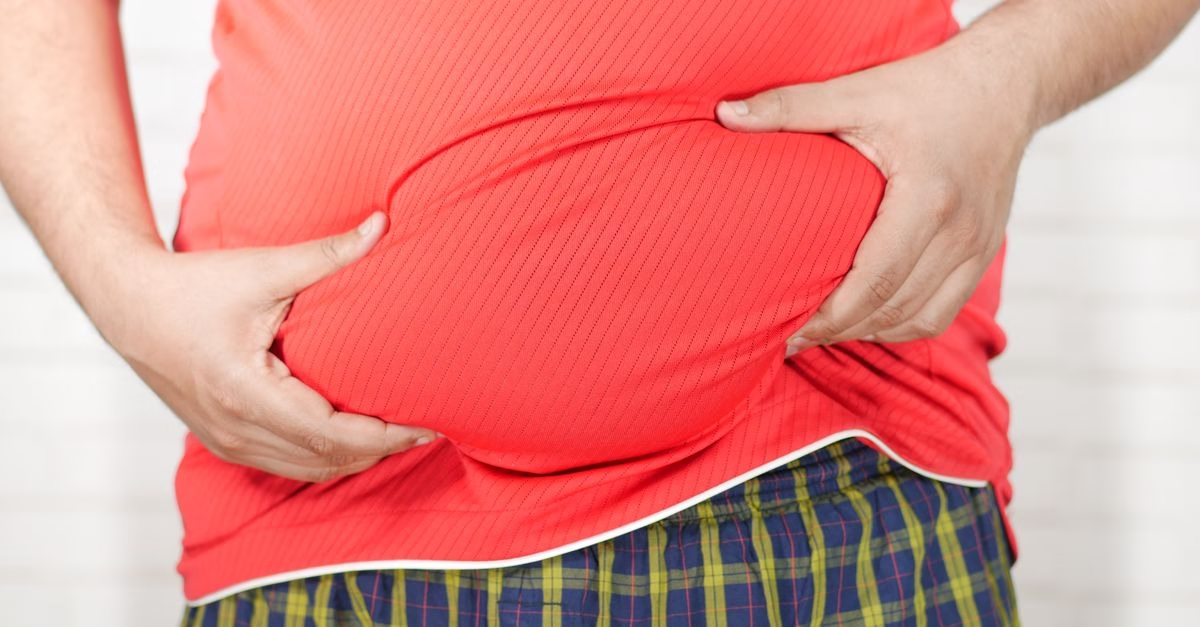
If you’re wondering, “Why am I constipated after eating?” you’re not alone! Many people experience this frustrating issue, which can leave you feeling uncomfortable and confused. Constipation happens when the body has trouble moving stool through the digestive tract after a meal. It’s not just a matter of how frequently you go; it can also relate to how you feel after eating, including bloating and discomfort. Understanding why this happens can help you find ways to feel better.
People may search for answers to this question for various reasons. You might have noticed that after certain meals, your body simply doesn’t seem to cooperate. At times, it can feel like the food you just consumed is stuck in your stomach. This situation can be due to various factors like diet, hydration levels, stress, or even underlying health conditions. Let’s explore some of the possible reasons behind this common experience, and what you can do about it.
What Does This Mean?
Constipation is generally characterized by infrequent bowel movements, which can mean fewer than three times a week. If you are feeling constipated after eating, it can also involve a sense of fullness, bloating, or even mild abdominal discomfort. It’s essential to recognize that occasional constipation is quite common and can happen for a myriad of reasons, including dietary choices and stress levels.
Key terms to know include:
- Gut motility: This refers to how well food moves through your digestive system. When gut motility slows down, it can lead to constipation.
- Fiber: A type of carbohydrate found in plants that helps add bulk to your stool, making it easier to pass.
Understanding these terms can clarify how constipation works, especially after eating. If you often ask, “Why am I constipated after eating?” it might mean you’re trying to find the link between your meals and your digestive health.
Why Does This Happen?
One possible reason you might feel constipated after eating is related to your diet and the types of food you consume. Foods low in fiber can make it harder for your body to process waste. Another common factor is how quickly you eat. Eating rapidly can lead to swallowing air, which may cause bloating and a feeling of fullness. In some people, food intolerances or sensitivities—such as lactose intolerance or gluten sensitivity—can trigger digestive troubles, including constipation.
Research suggests that stress and lifestyle habits also play a role. When we’re under stress, our bodies can react by slowing down digestion, which may increase the likelihood of constipation. Additionally, a lack of physical activity can be a contributor. Regular movement helps stimulate the digestive system, promoting better bowel movements.
Common Causes
Let’s take a deeper dive into some of the most common causes of constipation after eating:
Diet low in fiber
If your meals lack sufficient fiber, your body might struggle to push waste through the digestive system. Fiber-rich foods include fruits, vegetables, whole grains, and legumes. If you notice constipation after meals, consider adding these foods to your diet.
Eating too quickly
Many of us are guilty of rushing through meals. Eating quickly can mean swallowing air, which can cause gas and bloating, making constipation feel worse. Taking your time during meals may help ease digestive issues.
Lack of hydration
Staying hydrated is crucial for good digestion. Water helps dissolve nutrients and fiber in food, making it easier to pass stool. If you don’t drink enough fluids, your stool may become hard and difficult to pass. If you’re experiencing after-meal constipation, consider increasing your water intake.
High-stress levels
Stress can affect the intestines and lead to slower digestion. If you’re experiencing high levels of stress, you might notice digestive symptoms, including constipation after eating. Finding ways to manage stress, like exercise or relaxation techniques, can support regular digestion.
Certain medications
Some medications, such as opioids and certain antacids, can cause constipation as a side effect. If you’ve recently started a new medication and are noticing digestive issues, talking to your healthcare provider about it may be a good next step.
Signs and Symptoms to Watch For
Common symptoms associated with constipation after eating can include:
- Feeling bloated or gassy
- Difficulty passing stool
- Straining during bowel movements
- Abdominal pain or discomfort
However, not every symptom is cause for alarm. Occasional bloating may not be unusual, but you should seek medical advice if you experience:
- Severe or persistent abdominal pain
- Blood in your stool
- Unexplained weight loss
- Symptoms that worsen over time
What Can Make it Worse?
Several lifestyle and dietary factors may contribute to worsening constipation:
- Poor Diet: Consuming processed foods with little fiber can lead to digestive problems.
- Inadequate Hydration: Not drinking enough fluids can make stool harder.
- Lack of Physical Activity: Regular movement helps stimulate digestion.
- Stress: High stress can slow down digestion.
- Certain Medications: Some prescribe medications that can worsen constipation.
Foods and Drinks Related to the Topic
When it comes to food and drinks, choices can play a significant role:
- Foods that may help: Fruits (especially prunes, pears, and apples), vegetables, whole grains (like oats or brown rice), and hydration are beneficial for digestive health.
- Foods that might worsen constipation: Low-fiber foods such as white bread, pastries, and fast foods could contribute to ongoing challenges. Foods high in sugar may also lack the fiber needed for healthy digestion.
What Can We Do?
Here are some practical steps to consider:
- Increase fiber: Aim for 25-30 grams of fiber daily through fruits, vegetables, and whole grains.
- Hydrate: Drinking enough water helps. Aim for at least eight 8-ounce glasses of water daily.
- Take your time: Eating slowly may reduce bloating and discomfort.
- Stay active: Regular physical activity can aid in digestion.
- Manage stress: Techniques like yoga or meditation may help improve gut health.
When Should You See a Doctor?
Consult a healthcare professional if you experience:
- Severe or persistent abdominal pain
- Blood in the stool
- Extreme weight loss
- Ongoing and worsening constipation despite lifestyle changes
It’s crucial to address these signs with your healthcare provider, who can guide you efficiently.
Frequently Asked Questions
Why am I always constipated after eating?
Constant constipation after meals may indicate ongoing issues with diet or digestion. Factors such as low fiber intake, quick eating, or stress may contribute to the problem.
Can food cause constipation after eating?
Yes! Certain foods, particularly low-fiber or processed options, can lead to constipation. It’s important to pay attention to how your body reacts to different meals.
When should I worry about constipation after eating?
If you experience persistent symptoms, abdominal pain, or any concerning signs like blood in your stool, it’s advisable to seek medical attention.
Does stress affect constipation after eating?
Absolutely! Stress can alter gut motility and affect digestion, possibly leading to constipation.
What should I eat to avoid constipation?
Focusing on a diet rich in fiber, including fruits, vegetables, and whole grains, can support healthy digestion and reduce constipation.
Can medication cause constipation?
Yes, some medications can have constipation as a side effect. If you suspect this is the case, talk to your healthcare provider.
Is it normal to feel bloated and constipated after eating?
Occasional bloating and constipation can happen, but if it’s frequent or severe, it may be worth discussing with a healthcare professional.
What natural remedies might help with constipation?
Some people find relief through increased fiber intake, hydration, and regular physical activity. Probiotics may also support gut health.
What the Research Says About Why Am I Constipated After Eating?
Research indicates that lifestyle factors, such as diet and stress management, can significantly influence digestive health and the likelihood of constipation. A systematic review published by the American Gastroenterological Association suggests that dietary fiber intake is strongly associated with improved bowel habits and a reduction in constipation (American Gastroenterological Association, 2020). Moreover, hydration levels can affect gut motility and overall digestion, as highlighted by studies on dietary habits from the CDC.
However, research on specific food reactions varies widely. Some studies show that certain individuals may experience constipation due to food intolerances, while others do not. Ongoing research is needed to understand individual differences better.
Simple Daily Habits That May Support Better Health
Building better habits can help support digestive health:
- Routine: Try to establish regular eating patterns. Eating at consistent times may help your body know when to expect food.
- Listen to Your Body: Pay attention to your body’s signals. If you feel the urge to go, don’t hold it in.
- Be Mindful: Practicing mindful eating can help promote healthy digestion and reduce symptoms like bloating.
Final Thoughts
Dealing with constipation after eating can be frustrating, but know that you’re not alone. Our bodies can sometimes respond unpredictably to what we consume or how we live our lives. We often just need to take a closer look at our diets, hydration, stress levels, and lifestyle choices to help improve our digestive health.
By making small changes—like eating more fiber, drinking plenty of water, and managing stress—you can positively impact your digestive well-being. If you notice that constipation persists despite your efforts, it’s essential to reach out to a healthcare professional for further evaluation.
Sources and References
American Gastroenterological Association: Dietary Fiber. 2020. www.gastro.org
National Institute of Diabetes and Digestive and Kidney Diseases: constipation. 2021. www.niddk.nih.gov
Cleveland Clinic: Constipation. 2023. www.clevelandclinic.org/health/diseases/9297-constipation
CDC: Nutrition and Health. 2023. www.cdc.gov/nutrition/index.html
Mayo Clinic: Constipation. 2023. www.mayoclinic.org/diseases-conditions/constipation/symptoms-causes/syc-20383462
MedlinePlus: Constipation. 2023. medlineplus.gov/constipation.html
Medical Disclaimer
This article is for general educational and informational purposes only. It is not intended to provide medical advice, diagnosis, or treatment. Health conditions can affect people differently, and information that is appropriate for one person may not be appropriate for another. If you have persistent, severe, or concerning symptoms, speak with a qualified healthcare professional for personalized advice.
Further Reading
Ivf Shot Schedule: 10 Things You Should Know
Omeprazole and Alcohol: Is It Safe to Mix?
what does a growth spurt in pregnancy feel like
Photo by Towfiqu barbhuiya on Pexels.