Key Takeaways
- A diverse diet rich in fiber, fruits, vegetables, and whole grains supports a healthy gut microbiome.
- Fermented foods like yogurt and kimchi provide probiotics that help balance the bacteria in your digestive system.
- Chronic stress, poor sleep, and excessive consumption of processed foods can negatively disrupt your gut health.
- Persistent digestive symptoms like severe pain or unexplained weight loss warrant a consultation with a healthcare professional.
If you’re wondering “What should I eat for better gut health?”, you’re not alone! Many people are becoming more aware of how our diet can impact our digestion and overall well-being. Your gut is home to trillions of microorganisms, collectively known as the gut microbiome, which play a key role in digestion, absorption of nutrients, and even your mood. Searching for ways to improve gut health usually means you’re looking for foods that can help your digestive system work better and feel good!
In this article, we’ll explore some friendly and practical ways to enhance your gut health through diet. Don’t worry; we’re not here to push strict diets or crazy restrictions. Instead, we want to offer you some simple ways to support your gut health naturally. Understanding what foods work for your gut can be empowering and lead to improvements in digestion and overall comfort. So, let’s roll up our sleeves and dive into the delicious world of gut-friendly foods!
What Does Gut Health Mean?
Gut health refers to how well your digestive system functions, including the balance of good bacteria and the overall efficiency of food breakdown. This complex system involves your stomach, intestines, and the friendly bacteria that inhabit these areas. These bacteria help digest food, support the immune system, and even produce certain vitamins!
Some key terms to know include:
- Microbiome: The mix of bacteria, fungi, and other microorganisms living in your gut.
- Probiotics: Live bacteria and yeasts that are good for your health, especially your digestive system. They can be found in foods and supplements.
- Prebiotics: Non-digestible food ingredients that help beneficial bacteria grow. They are found in fiber-rich foods.
Why Does This Happen?
Gut health can be influenced by a variety of factors such as diet, lifestyle, medications, and even stress. One possible reason someone may experience digestive discomfort is due to an imbalance of bacteria in the gut. This can happen from eating too much processed food or not getting enough fiber. Another common factor is the use of antibiotics, which can disrupt your gut’s natural balance. Research suggests that consuming a diverse range of foods can help in maintaining a healthy microbiome.
In some people, food intolerances or sensitivities may also affect gut health. For instance, lactose intolerance can lead to bloating and discomfort after dairy consumption. The key is tuning in to your body and understanding how different foods affect you.
Common Causes
Let’s take a closer look at some of the major contributing factors that could impact your gut health:
Diet
Your everyday eating choices play a big role in gut health. Diets high in processed foods, sugars, and fats can harm gut bacteria. Conversely, a diet rich in fruits, vegetables, whole grains, and fermented foods, which are loaded with probiotics, can support a healthy gut.
Stress
Believe it or not, stress can affect your gut! Stress can alter digestion and lead to symptoms like bloating and discomfort. Finding ways to manage stress, whether through exercise, mindfulness, or social activities, can promote better gut health.
Hydration
Staying properly hydrated is essential for digestion. Water helps break down food so your body can absorb nutrients effectively. Aim for enough water daily to keep everything moving smoothly and support your gut health.
Signs and Symptoms to Watch For
It’s important to be aware of the signs your body might give you regarding gut health. Common symptoms associated with poor gut health include:

- Bloating
- Gas
- Diarrhea or constipation
- Uncomfortable fullness after meals
Occasional symptoms are usually nothing to worry about, but persistent or worsening symptoms may require a chat with a healthcare professional. If you’re experiencing severe pain, blood in your stool, or unexplained weight loss, definitely reach out for medical advice.
What Can Make it Worse?
Several lifestyle and dietary choices may contribute to gut health issues:
- Poor Diet: Consuming excessive sugars, fats, and processed foods can lead to an unhealthy gut.
- Smoking and Alcohol: Both can disrupt gut flora and affect digestion.
- Inadequate Sleep: Lack of quality sleep can compromise gut health, so prioritizing good sleep habits is important.
Foods and Drinks Related to Better Gut Health
So, what should you eat for better gut health? Here are some foods you can consider including in your diet:
Foods to Include
- Fiber-Rich Foods: Foods like beans, lentils, whole grains, fruits, and vegetables promote digestion and can enhance gut health.
- Fermented Foods: Foods like yogurt, kefir, sauerkraut, and kimchi contain probiotics that support your gut’s friendly bacteria.
- Prebiotic Foods: Foods such as garlic, onions, bananas, and asparagus feed the good bacteria in your gut.
Foods to Limit
- Sugary Foods: High sugar intake can lead to an imbalance in gut bacteria.
- Processed Foods: These can be low in nutrients and contain additives that may upset digestion.
What Can We Do?
There are several practical steps we can take to promote better gut health:
- Get Enough Fiber: Aim to eat plenty of fiber from fruits, veggies, and whole grains. This helps in digestion and feeds beneficial gut bacteria.
- Incorporate Fermented Foods: Try adding yogurt or fermented vegetables to your meals a few times a week to boost probiotic intake.
- Stay Hydrated: Drink enough water to aid digestion and overall well-being.
- Limit Processed Foods: Focus on whole foods and limit consumption of ready-to-eat packaged items.
- Manage Stress: Explore stress-relieving practices like yoga, meditation, or deep-breathing exercises.
When Should You See a Doctor?
If you’re experiencing severe or persistent digestive symptoms, such as:
- Severe or persistent pain
- Persistent diarrhea or constipation
- Blood in the stool
- Unexplained weight loss
It’s important to consult with a healthcare professional. They can provide guidance tailored to your needs.
Frequently Asked Questions
Why am I always worried about what should I eat for better gut health?
People often worry about gut health because it can affect daily life. If you’re experiencing digestive issues or are often bloated, it might lead you to consider food choices more carefully.
Can food cause gut problems?
Yes, certain foods can induce digestive discomfort. For example, foods high in sugar or processed foods can lead to digestive issues for some individuals.
When should I worry about gut health?
If digestive symptoms are persistent, severe, or are impacting your quality of life, it’s important to consult a healthcare provider.
What role do probiotics play in gut health?
Probiotics are beneficial bacteria that can help restore balance to your gut, especially if it has been disrupted by factors like antibiotics or poor diet.
How long does it take to see improvements in gut health with dietary changes?
Many people may notice some improvements within a few weeks of adopting gut-friendly changes, but results may vary based on individual circumstances.
What are signs my gut health is improving?
Signs of improving gut health may include less bloating, regular bowel movements, and an overall feeling of comfort and less digestive discomfort.
Are there foods I should avoid if I have gut issues?
Some individuals may need to avoid dairy, gluten, or high-sugar foods if they notice these trigger their symptoms.
Is alcohol bad for gut health?
Excessive alcohol consumption can negatively impact gut bacteria and digestion, so moderation is key.
What the Research Says About What Should I Eat for Better Gut Health?
Research on gut health has expanded significantly in recent years. Studies indicate that a diet high in fiber, fermented foods, and a variety of nutrient-dense items can improve the diversity of gut bacteria, which is considered beneficial for overall health (Harvard T.H. Chan School of Public Health). Systematic reviews have shown that probiotics may help with certain digestive disorders, but results can be individual (American Gastroenterological Association).
However, the evidence is still evolving, and different people may respond uniquely to dietary changes. More research is needed to better understand the specific foods and their direct effects on gut health.
Simple Daily Habits That May Support Better Health
Incorporating small, consistent habits can have a big impact on gut health over time:
- Practice Mindful Eating: Take your time when eating to aid digestion.
- Regular Exercise: Physical activity can help support a healthy digestive system.
- Limit Distractions: Eating without screens or distractions can improve digestion and enjoyment of your meals.
Final Thoughts
We often underestimate the power of our food choices on our gut health. By understanding what should I eat for better gut health, we can make informed decisions that may benefit both our digestion and overall well-being. Remember, it’s about creating a diverse and balanced diet that works for you. If you notice any persistent symptoms or changes in your digestion, we encourage you to reach out to a healthcare professional for personalized advice. Small changes can lead to significant improvements, let’s prioritize our gut health together!

Sources and References
National Institutes of Health: Gut Health and Nutrition. 2023. https://www.nih.gov
Cleveland Clinic: Probiotics Therapy. 2022. https://www.clevelandclinic.org
Mayo Clinic: Dietary Fiber: Essential for a Healthy Diet. 2023. https://www.mayoclinic.org
Harvard T.H. Chan School of Public Health: The Gut Microbiome and Health. 2022. https://www.hsph.harvard.edu
American Gastroenterological Association: Diet and Gut Health. 2023. https://www.gastro.org

Medical Disclaimer
This article is for general educational and informational purposes only. It is not intended to provide medical advice, diagnosis, or treatment. Health conditions can affect people differently, and information that is appropriate for one person may not be appropriate for another. If you have persistent, severe, or concerning symptoms, speak with a qualified healthcare professional for personalized advice.
Further Reading
Ivf Shot Schedule: 10 Things You Should Know
Omeprazole and Alcohol: Is It Safe to Mix?
what does a growth spurt in pregnancy feel like
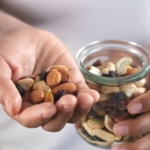
Photo by https://kaboompics.com/ on Pexels.
Frequently Asked Questions
Should I take a probiotic supplement for gut health?
While probiotics can be beneficial, it is best to consult with your doctor before starting supplements. They can help determine if a specific strain is appropriate for your individual health needs and digestive concerns.
Can stress really cause digestive issues?
Yes, there is a strong connection between the brain and the gut. Stress can physically alter digestion, potentially leading to symptoms like bloating, cramping, or changes in bowel habits.
Does fiber intake affect my gut health?
Fiber is essential because it acts as a prebiotic, feeding the beneficial bacteria in your gut. Increasing fiber intake gradually helps improve digestion and promotes regular bowel movements.
Are there specific foods that trigger bloating?
Common triggers for bloating include high-sugar foods, artificial sweeteners, and certain dairy products for those with lactose sensitivity. Keeping a food diary can help you identify which specific foods contribute to your discomfort.
The Bottom Line
Improving your gut health is a journey best approached through consistent, small dietary changes rather than restrictive habits. By focusing on whole, fiber-rich, and fermented foods, you provide your microbiome with the nutrients it needs to thrive. Remember to listen to your body and seek professional guidance if digestive issues persist. Prioritizing your gut today can lead to lasting benefits for your comfort and overall vitality.