If you’ve ever enjoyed a spicy meal only to find yourself running to the restroom shortly afterward, you might be wondering, “Why do I have diarrhea after eating spicy food?” This common question arises for many who love the heat but suffer the consequences afterward. It’s important to understand what’s happening in your body and why spicy foods can cause this discomfort. After all, no one wants to give up their favorite chili or hot sauce, but knowing why they’re having digestive troubles can help make informed choices.
Diarrhea after spicy food can certainly be annoying, but it’s often a harmless reaction that varies from person to person. Some people may experience this issue frequently, while others might enjoy spicy dishes without any problems. Understanding the reasons behind this reaction can help you manage your meals better, so you can enjoy spicy flavors without the unpleasant aftermath.
What Does This Mean?
When someone asks, “Why do I have diarrhea after eating spicy food?” they’re usually looking for answers about their digestive health. Diarrhea is defined as having loose or watery stools, and it can happen after eating certain foods, especially those that are spicy. It’s not uncommon for the body to react this way, particularly in those who are not used to or tolerant of spicy ingredients.
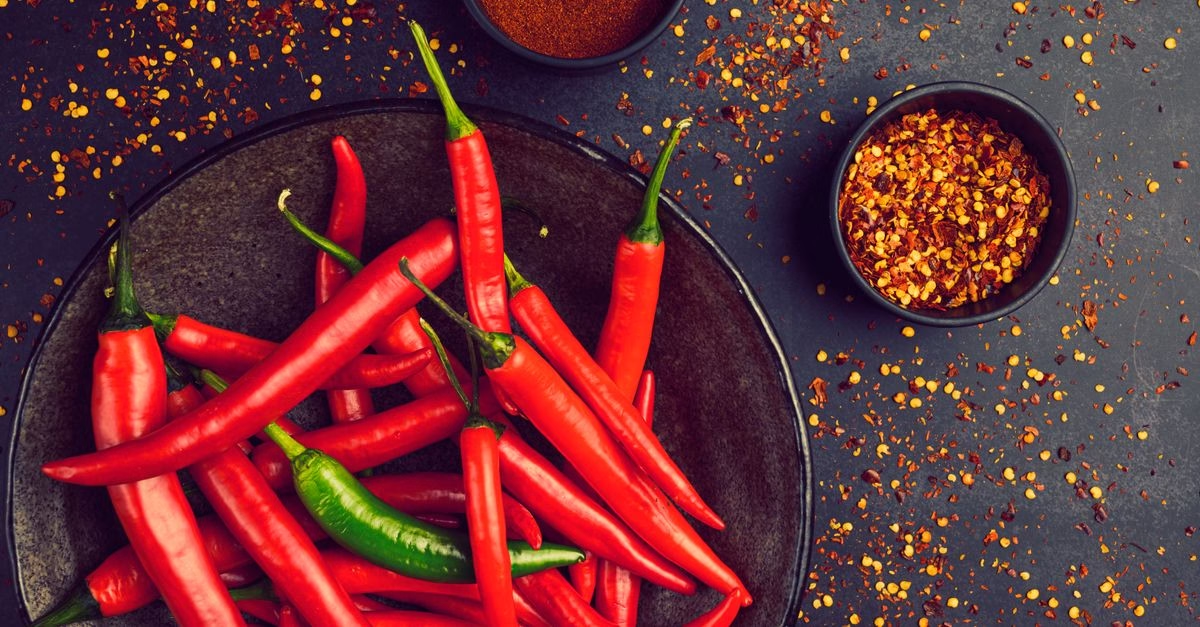
In simpler terms, when you eat spicy food, it can irritate your digestive system. This irritation is usually linked to a compound called capsaicin, commonly found in chili peppers, which adds the heat. Some people are more sensitive to capsaicin than others, which can lead to different responses, including diarrhea.
Why Does This Happen?
One possible reason for diarrhea after spicy food is that spicy ingredients can stimulate the digestive tract. Capsaicin increases the speed of digestion, which means food moves more quickly through the intestines. When food doesn’t have enough time to be properly absorbed, it can result in loose stools.
Another common factor is that spicy foods can irritate the lining of the stomach or intestines. This irritation can trigger a defensive reaction, causing your body to expel waste more quickly.
In some people, spicy foods can also affect the gut microbiome—the community of bacteria and other microorganisms in the digestive system. Research suggests that a balanced microbiome contributes to healthy digestion, and sudden changes in diet, like introducing more spicy foods, can upset this balance.
Common Causes
There are several factors that may contribute to why spicy food causes diarrhea for some individuals:
1. Capsaicin Sensitivity
Capsaicin is the compound that gives chili peppers their heat. Some people are more sensitive to this compound, which can cause irritation in the stomach lining and lead to diarrhea.
2. Gastrointestinal Conditions
Those with pre-existing gastrointestinal conditions, like irritable bowel syndrome (IBS) or Crohn’s disease, may find that spicy foods trigger diarrhea symptoms more than others. If you have a known condition, spicy food may exacerbate your symptoms.
3. Spicy Food Tolerance
Your body may simply not be used to processing spicy foods often. If you’re not accustomed to spicy meals, your digestive system might react strongly, resulting in diarrhea. This can happen more with sudden changes in diet.
4. Food Pairings
Sometimes, it’s not just the spicy food that causes diarrhea. If combined with other foods that irritate the stomach, like dairy or fried foods, the combination can lead to digestive issues. Pay attention to what you eat with your spicy dishes!
Signs and Symptoms to Watch For
Common symptoms associated with diarrhea after spicy food can include:
- Loose or watery stools
- Abdominal cramping or discomfort
- Urgency to use the bathroom
However, it’s essential to distinguish between occasional diarrhea and symptoms that might require medical attention. If your diarrhea:
- Persists for more than a couple of days
- Is accompanied by severe abdominal pain
- Includes blood in your stool
- Occurs with unexplained weight loss
You should consider reaching out to a healthcare professional for guidance.
What Can Make it Worse?
Several factors may worsen your reaction to spicy foods:
- Diet: If you frequently consume fatty, fried, or high-fiber foods alongside spicy dishes, this can disturb your digestion further.
- Eating Habits: Eating quickly or in a rushed manner can contribute to digestive upset, increasing the likelihood of diarrhea.
- Hydration: Lack of adequate hydration can influence your digestive health as well.
- Stress: High-stress levels can impair digestion and may make you more sensitive to the effects of spicy foods.
Foods and Drinks Related to the Topic
When you’re dealing with diarrhea after eating spicy foods, some dietary adjustments may help:
- Gentle Foods: Consider bland foods like rice, bananas, and applesauce to soothe your stomach.
- Stay Hydrated: Drink plenty of fluids, especially water or oral rehydration solutions, to counteract any water loss.
- Avoid Dairy: For some, dairy products can exacerbate diarrhea, especially if they’re lactose intolerant.
- Limit Fatty Foods: These can be more challenging for your digestive system to process.
Keep in mind that everyone’s body reacts differently. What works for one person may not work for another, so paying attention to how your body responds to various foods is key.
What Can We Do?
If you’re looking to enjoy spicy food without the unwanted side effects, here are some practical steps you might consider:
- Build Tolerance: Gradually introduce spicy foods into your diet. This might help your digestive system adapt over time.
- Pair Wisely: Enjoy spicy foods with non-irritating foods to minimize digestive disruption.
- Practice Mindful Eating: Take your time when eating, focusing on each bite, which can aid digestion.
- Stay Hydrated: Drinking enough water can help flush your system and may assist in reducing symptoms.
When Should You See a Doctor?
Remember, while occasional diarrhea after spicy food is often harmless, be aware of warning signs that warrant a conversation with a healthcare professional:
- Severe or persistent pain in your abdomen
- Diarrhea lasting more than 48 hours
- Presence of blood in your stool
- Persistent vomiting or signs of dehydration
Your health is important, and seeking professional advice is always a good choice if you’re uncertain about your symptoms.
Frequently Asked Questions
Why am I always experiencing diarrhea after eating spicy food?
This could be due to individual sensitivity to spicy ingredients or an underlying digestive issue. If it happens consistently, it may be worth consulting a healthcare provider.
Can food cause diarrhea after eating spicy food?
Yes, certain foods like dairy or fatty items can exacerbate diarrhea. Pay attention to your food choices and combinations.
When should I worry about diarrhea after spicy food?
If you experience severe pain, blood in your stool, or if diarrhea persists for more than a couple of days, it’s wise to see a doctor.
Are all spicy foods bad for my digestion?
Not necessarily! Many people enjoy spicy foods without issues. It largely depends on your individual tolerance and any pre-existing digestive conditions.
Why does diarrhea happen more with some spicy foods?
Some spicy dishes may contain additional irritants or ingredients that can lead to faster digestion and diarrhea.
Is there a way to enjoy spicy food without repercussions?
Gradually increasing your tolerance, pairing spicy foods with gentler options, and practicing healthy eating habits can help.
What should I eat after experiencing diarrhea?
Focus on bland foods such as toast, rice, or bananas, and drink plenty of fluids to stay hydrated.
Can stress make my diarrhea after spicy food worse?
Yes! Stress can impact digestion, making you more vulnerable to digestive upset.
What the Research Says About Why do I have diarrhea after eating spicy food?
Research suggests that spicy foods can stimulate the production of gastric acid and speed up digestion. A study published in the journal *Gut* indicated that capsaicin can activate certain receptors in the gut which may lead to an increase in bowel motility. Other studies have examined the link between diet and gut health, showing that dietary habits heavily influence how our bodies respond to foods like spicy dishes.
However, individual responses to spicy food vary. While some people might find no issues, those with specific health concerns may need to limit their intake. Ongoing research continues to explore the nuances of food and gut health to provide more personalized dietary advice in the future.
Simple Daily Habits That May Support Better Health
To support overall digestive health and minimize uncomfortable symptoms after spicy food, consider these daily habits:
- Eat a balanced diet rich in fruits, vegetables, and whole grains.
- Stay active with regular physical activity, as movement can support healthy digestion.
- Manage your stress through relaxation techniques or mindfulness practices.
- Keep hydrated by drinking plenty of water throughout the day.
Final Thoughts
Diarrhea after eating spicy food is a common experience for many, often rooted in how our bodies interact with spicy ingredients. We often enjoy the flavors and heat, but it’s crucial to listen to our bodies and understand how they react. By recognizing potential triggers, practicing mindful eating, and being aware of our dietary choices, we can often continue to enjoy the exciting flavors of spicy cuisine while managing our digestive health.
If you notice persistent issues or uncomfortable symptoms after eating spicy foods, don’t hesitate to reach out to a healthcare professional. Keeping your digestive system happy is vital to enjoying all the flavors of life!
Sources and References
National Institutes of Health: Digestive Health and Food Choices. Available at: www.nih.gov
Cleveland Clinic: What to Know About Spicy Food and Your Gut. Available at: www.clevelandclinic.org
Mayo Clinic: Diarrhea: Symptoms and Causes. Updated August 2023. Available at: www.mayoclinic.org
American Gastroenterological Association: Understanding Digestive Health. Available at: www.gastro.org
NIDDK: Irregular Bowel Movements. Available at: www.niddk.nih.gov
Medical Disclaimer
This article is for general educational and informational purposes only. It is not intended to provide medical advice, diagnosis, or treatment. Health conditions can affect people differently, and information that is appropriate for one person may not be appropriate for another. If you have persistent, severe, or concerning symptoms, speak with a qualified healthcare professional for personalized advice.
Further Reading
Ivf Shot Schedule: 10 Things You Should Know
Omeprazole and Alcohol: Is It Safe to Mix?
what does a growth spurt in pregnancy feel like
Photo by Jana Ohajdova on Pexels.