If you’ve been searching for “what foods help stop diarrhea?”, you’re likely looking for practical advice on managing a rather uncomfortable situation. Diarrhea can be caused by various factors such as food intolerances, infections, or even stress. It can hit you when you least expect it, causing urgency and discomfort. Understanding what to eat can make a big difference in how quickly you feel better.
In this article, we’ll explore the foods that may help settle your stomach and provide a little relief during those turbulent times. We’ll also dive into the reasons why certain foods may support your digestive system and what steps you can take to prevent further discomfort. While it’s essential to know that what works for one person might not work for another, we’ll provide general guidelines based on research and expert opinions. So, let’s dig deeper into how food can play a role in stopping diarrhea!
What Does This Mean?
When we talk about foods that help stop diarrhea, we’re concentrating on those that can be gentle on the digestive system and aid in firming up stools. Diarrhea is essentially loose or watery bowel movements that can lead to dehydration and discomfort. It’s our body’s way of getting rid of something it doesn’t want, like a bad food choice or an infection. Foods that are easily digestible and low in fiber can often support the body as it recovers.
Commonly, people might seek foods that can bind the stool, reduce urgency, or calm the intestinal tract. This understanding can guide dietary choices after experiencing a bout of diarrhea, helping to restore balance while minimizing further complications. It’s a helpful step towards getting back on track!
Why Does This Happen?
Diarrhea has several potential causes, and not every case is the same. One possible reason for your situation could be a recent change in diet, like trying new foods or exceeding typical fat and sugar levels. Another common factor is a viral or bacterial infection, which can irritate the gut. Stress and anxiety may also play a role in our digestive health for some individuals, affecting how our bodies respond. Research suggests that everyone’s digestive system is unique, which means different foods affect each of us differently.
Common Causes
Understanding the leading causes of diarrhea can help you identify what might be at play. Here are some significant situations:
- Food Intolerances: Some people find that dairy or gluten can upset their stomach. If you suspect this might be the case, keeping a food journal and monitoring symptoms can be insightful.
- Infections: Whether viral or bacterial, infections can lead to diarrhea. Look for symptoms like stomach cramps or fever, which might signal that it’s time to turn to more digestible foods.
- Medications: Certain medications, especially antibiotics, can disrupt the natural balance of bacteria in the gut, leading to diarrhea. If you think your medicine might be a trigger, consult your healthcare provider.
- Stress: Stress and anxiety are known to affect our stomachs, and some people may experience diarrhea in response to emotional distress.
Signs and Symptoms to Watch For
Along with loose stools, other symptoms might include:
- Abdominal cramps: You might feel sharp pains or discomfort.
- Nausea or vomiting: Some people may experience an upset stomach alongside diarrhea.
- Dehydration signs: Common signs include increased thirst, dark urine, fatigue, or dizziness.
If your diarrhea persists or worsens, especially if you see blood or experience severe pain, it’s crucial to speak with a healthcare professional.
What Can Make it Worse?
Certain lifestyle and dietary choices can contribute to diarrhea and make it worse. Here’s what to consider:
- Spicy or greasy foods: While they can be tasty, they may irritate an already sensitive stomach.
- High fiber foods: Although fiber is generally beneficial, it can sometimes add bulk that the intestines may not handle well when experiencing diarrhea.
- Stress and lack of sleep: These can affect digestion and may worsen your symptoms.
- Alcohol and caffeine: Both can be harsh on the digestive system and may lead to increased urgency.
Foods and Drinks Related to the Topic
So, what foods may help? Here are some gentle options:
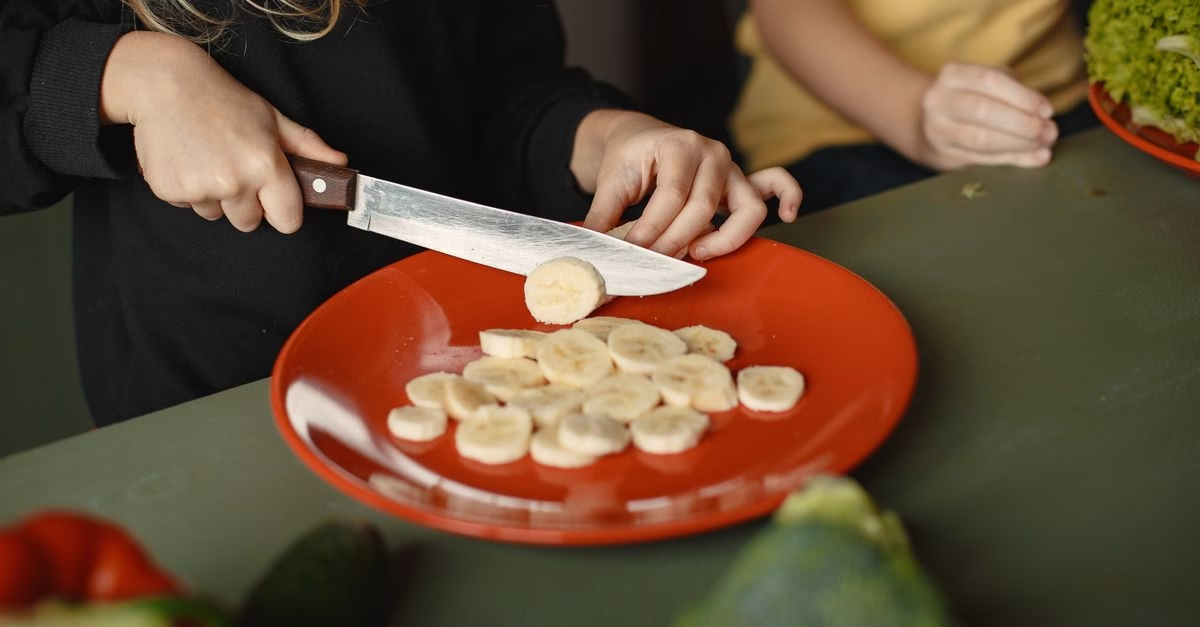
- Bananas: They are easy to digest and can help replace lost nutrients like potassium.
- Rice: Plain white rice is bland, making it ideal for settling the stomach.
- Applesauce: It offers a mild source of nutrition and is easy on the stomach.
- Toast: White toast is another easy food; it can help bind the stool.
- Plain Chicken: Skinless, baked, or boiled chicken is lean and less likely to irritate.
It’s best to avoid fatty, spicy, or heavily seasoned foods during recovery.
What Can We Do?
Here are some practical steps you can consider:
- Stay Hydrated: Drink water, clear broths, or electrolytes to replace lost fluids.
- Try the BRAT Diet: Start with bananas, rice, applesauce, and toast to help settle your stomach.
- Small Meals: Eating smaller, more frequent meals can help ease digestion.
- Avoid Dairy: Dairy can be hard to digest, so it may be best to hold off until you feel better.
- Monitor Symptoms: Keep track of foods that seem to worsen symptoms for future reference.
When Should You See a Doctor
If your diarrhea doesn’t improve after a couple of days or is accompanied by concerning symptoms like:
- Severe dehydration
- Blood in your stool
- Unexplained weight loss
- High fever
- Severe abdominal pain
It’s essential to seek advice from a healthcare professional. These could be signs of a more severe condition.
Frequently Asked Questions
Why am I always experiencing diarrhea?
Chronic diarrhea can be caused by various factors like food intolerances, infections, stress, or underlying health conditions. Keeping track of your diet and symptoms can help pinpoint the cause.
Can food cause diarrhea?
Yes, certain foods can trigger diarrhea, especially if you’re intolerant to them. High-fat, spicy foods or dairy can be common culprits.
When should I worry about diarrhea?
Pay attention if diarrhea lasts more than two days or if you have signs like blood in your stools, a fever, or signs of dehydration.
How much water should I drink when I have diarrhea?
Aim to drink at least 8-10 glasses of water or oral rehydration solutions to stay hydrated, but listen to your body!
Are fiber foods always good when I have diarrhea?
While fiber is essential for a healthy diet, during an episode of diarrhea, it might be wise to avoid high-fiber foods as they can aggravate symptoms.
What can I do to prevent diarrhea in the future?
Eating smaller meals, knowing your food intolerances, and managing stress can help prevent future episodes.
Do probiotics help with diarrhea?
Research suggests that probiotics might help restore gut bacteria balance during and after an illness. Consider discussing this with a healthcare professional.
Can stress really cause diarrhea?
Absolutely! Stress can have a significant impact on digestion, resulting in symptoms like diarrhea for some people.
How long does it usually last?
Acute diarrhea generally lasts a few days, but if it persists beyond that, it’s best to consult with a doctor.
What the Research Says About What Foods Help Stop Diarrhea?
Research indicates that certain dietary choices can have a positive effect on diarrhea recovery. A study published by the American Gastroenterological Association suggests that the BRAT diet may help ease symptoms during an acute phase of diarrhea. This simple approach focuses on binding foods that the body can handle comfortably while healing.
Moreover, Cleveland Clinic research has indicated that hydration and gentle, easily digestible foods should be prioritized to prevent dehydration and maintain electrolyte balance. Thus, what you choose to eat after experiencing diarrhea can influence recovery time significantly.
Simple Daily Habits That May Support Better Health
To maintain better digestive health, consider these daily habits:
- Stay Hydrated: Drink plenty of fluids throughout the day to support your overall health.
- Eat a Balanced Diet: Include a mix of colorful fruits, vegetables, lean proteins, and whole grains.
- Practice Mindful Eating: Chew food thoroughly and be mindful of how much you eat at once.
- Manage Stress: Incorporating stress-relief practices like yoga or meditation can benefit your gut health.
Final Thoughts
We often overlook how our diet can impact our digestive health. If you find yourself dealing with diarrhea, remember that gentle, easily digestible foods like bananas, rice, applesauce, and toast are great options. Staying hydrated is crucial, too, as your body needs fluid to recover effectively.
Our bodies react differently to various foods, so pay attention to what works for you. If symptoms persist or you experience severe discomfort, it’s vital to reach out to a healthcare professional. By taking these practical steps, we can be proactive in managing and understanding our digestive health. Let’s embrace our gut health together!
Sources and References
National Institutes of Health: Diarrhea. Available at: https://www.niddk.nih.gov/health-information/digestive-diseases/diarrhea
Cleveland Clinic: Everything You Need to Know About Diarrhea. Available at: https://my.clevelandclinic.org/health/diseases/21669-diarrhea
Mayo Clinic: Diarrhea. Available at: https://www.mayoclinic.org/diseases-conditions/diarrhea/symptoms-causes/syc-20320565
American Gastroenterological Association: Diet and Diarrhea. Available at: https://www.gastro.org/practice-guidance/gi-patient-center/topic/diet-and-diarrhea
Harvard T.H. Chan School of Public Health: Healthy Eating Plate. Available at: https://www.hsph.harvard.edu/nutritionsource/healthy-eating-plate/
Medical Disclaimer
This article is for general educational and informational purposes only. It is not intended to provide medical advice, diagnosis, or treatment. Health conditions can affect people differently, and information that is appropriate for one person may not be appropriate for another. If you have persistent, severe, or concerning symptoms, speak with a qualified healthcare professional for personalized advice.
Further Reading
Ivf Shot Schedule: 10 Things You Should Know
Omeprazole and Alcohol: Is It Safe to Mix?
what does a growth spurt in pregnancy feel like
Photo by Gustavo Fring on Pexels.