





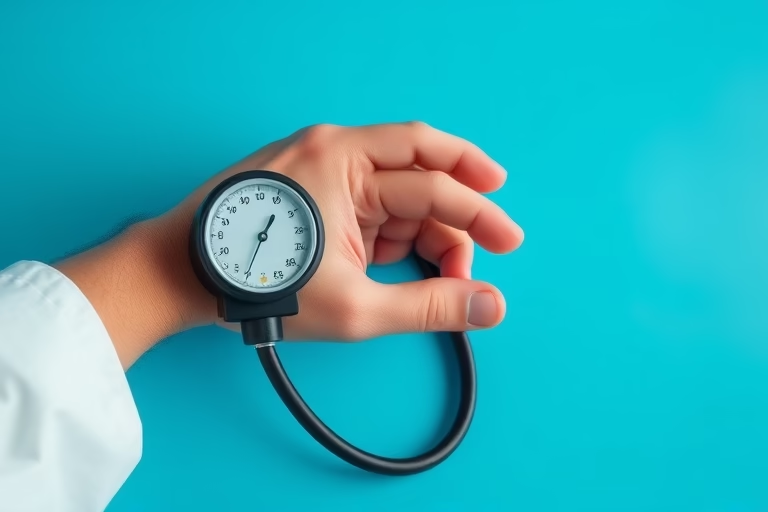
We will be talking about how being sick can cause blood pressure to rise. Understanding the relationship between illness and blood pressure is crucial for maintaining health. When we refer to being “sick,” we encompass a range of health conditions, from mild infections to chronic diseases. Blood pressure is defined as the force exerted by circulating blood against the walls of blood vessels. For many, high blood pressure, or hypertension, is a serious health concern that can lead to complications such as heart disease and stroke.
When the body is fighting an illness, it goes through various physiological changes, which can directly impact blood pressure levels. Infections can stimulate the immune system, leading to inflammation that affects blood vessels. Furthermore, the stress of being unwell can also trigger the release of hormones that cause the heart to work harder, ultimately resulting in higher blood pressure. Emotional stress from being sick can add another layer, as anxiety can lead to temporary spikes in blood pressure. In this context, understanding the causes and effects allows individuals to monitor their health better and take preventive measures.
Understanding Blood Pressure Basics
Blood pressure is a vital sign that measures the pressure in arteries during the contraction and relaxation of the heart. It’s typically expressed in two numbers: systolic (the pressure during heartbeats) and diastolic (the pressure when the heart rests between beats). A normal blood pressure reading is usually around 120/80 mmHg. Factors influencing blood pressure include age, activity level, and overall health. When discussing how being sick can cause blood pressure to rise, it’s essential to recognize that many factors, such as increased heart rate, stress, and the body’s inflammatory responses, can all contribute to changes in blood pressure.
How Illness Triggers Stress Hormones
Being sick often triggers a stress response in the body, resulting in the release of hormones like adrenaline and cortisol. These hormones prepare the body for “fight or flight” scenarios but can elevate blood pressure. When you’re sick, your body devotes energy toward fighting the illness, which can lead to chronic stress and anxiety. Over time, these hormones increase heart rate and constrict blood vessels, driving blood pressure higher. Research indicates that patients with chronic illnesses exhibit a more significant hormonal response during sickness, making them more susceptible to hypertension.
The Role of Inflammation
Many diseases cause inflammation, resulting in swelling and tenderness, leading to heightened blood pressure levels. Inflammatory cytokines like interleukin-6 and tumor necrosis factor-alpha can lead to vasoconstriction and increased vascular reactivity. This process means blood vessels tighten, ultimately raising blood pressure. For example, conditions like autoimmune diseases or infections can produce systemic inflammation, consequently exacerbating existing hypertension. Monitoring inflammatory markers may provide insight into blood pressure changes during illness.
Impact of Chronic Illness on Blood Pressure
Individuals dealing with chronic diseases such as diabetes, heart disease, or kidney disease often experience fluctuating blood pressure levels. Being sick can aggravate these conditions, resulting in further increases in blood pressure. For instance, a person with diabetes may find their blood sugar and blood pressure levels elevated during an illness. Understanding the interaction between these chronic conditions and acute sickness is crucial for effective management and monitoring.
Medication Effects on Blood Pressure
Many medications prescribed to treat illnesses can have side effects that include increased blood pressure. For example, over-the-counter cold medications often contain decongestants that can raise blood pressure. Moreover, chronic illnesses may require medications that affect blood pressure regulation. Patients should consult with healthcare providers whenever they feel unwell to adjust medications accordingly and minimize potential risks.
Dietary Considerations When Sick
Diet plays a significant role in blood pressure management. During sickness, maintaining a healthy and balanced diet may pose challenges. However, high-sodium foods can cause fluid retention, leading to increased blood pressure levels. Instead, focusing on potassium-rich foods like bananas and leafy greens can help balance sodium levels and maintain healthier blood pressure. A nutritious diet supports the body’s immune function, possibly reducing the duration and severity of the illness while also stabilizing blood pressure.
The Importance of Hydration
Hydration is often overlooked when discussing blood pressure but is crucial, especially during an illness. Dehydration can cause blood to become thicker, leading to elevated blood pressure. On the contrary, adequate hydration may help maintain proper blood flow and help the body fight infections. Drinking plenty of fluids and avoiding sugary beverages can sustain hydration levels and facilitate recovery, with beneficial effects on blood pressure.
Managing Stress During Illness
Managing stress is vital for overall health and may especially impact blood pressure during illness. Techniques such as deep breathing, mindfulness, and gentle exercise can help reduce stress levels and offer calming effects. Chronic stress can amplify the body’s response to illness, creating a cycle that can be detrimental to blood pressure levels. Implementing stress-management strategies can lead to an improved perception of pain and promote faster recovery.
Monitoring Blood Pressure During Illness
Regular monitoring of blood pressure when sick is essential. It helps in detecting changes early and allows for timely intervention. Many individuals may not realize that their blood pressure is fluctuating due to their illness. Keeping a log of blood pressure readings can help identify trends and inform healthcare providers about the impact of illness on overall health. Early detection is key to mitigating potential complications.
Consulting Healthcare Professionals
When sick, consulting with healthcare professionals can provide valuable guidance on managing blood pressure. Medical advice can help address medication interactions, recommend lifestyle adjustments, and identify any need for further evaluation or treatment. Regular check-ups are fundamental for individuals with pre-existing conditions, as they can ensure that health complications do not arise during times of illness.
In summary, being sick can indeed contribute to rising blood pressure levels. Factors such as hormonal responses, inflammation, chronic illness, medication side effects, diet, hydration, stress management, and health monitoring are all interconnected influences that play critical roles. Addressing these factors holistically is fundamental in managing blood pressure and overall health. It is essential to understand that any elevation in blood pressure during illness can be temporary, and with the right strategies, individuals can mitigate potential long-term effects.
Frequently Asked Questions
- Can being sick cause a permanent increase in blood pressure? Not typically, but it can lead to temporary spikes. Chronic conditions may exacerbate hypertension.
- What are some quick ways to lower blood pressure during illness? Deep breathing, hydration, and reducing sodium intake can help lower blood pressure rapidly.
- Should I check my blood pressure more often if I’m sick? Yes, especially if you have a history of hypertension or other cardiovascular issues.
- Can specific illnesses raise blood pressure more than others? Yes, illnesses like infections and chronic inflammatory diseases often have a more pronounced effect on blood pressure.
- When should I consult a doctor about my blood pressure? If your blood pressure remains elevated despite self-management efforts, it’s advisable to seek professional guidance.
Further Reading
What Type of Psychotherapy Is Best for Anxiety?