





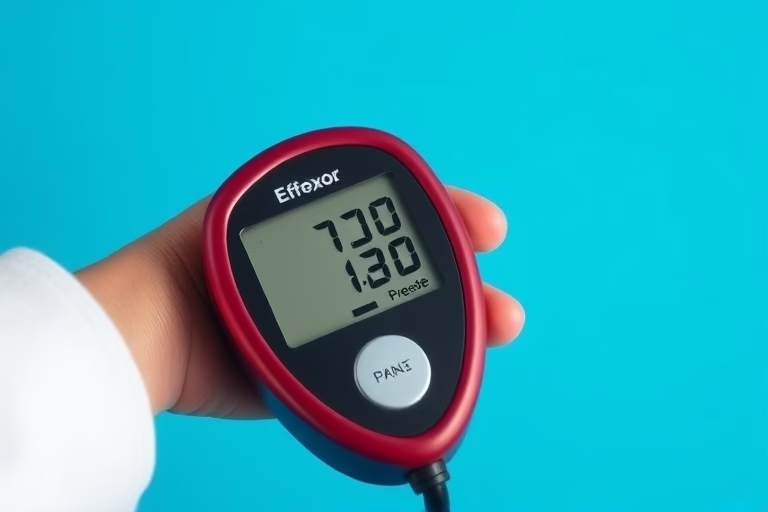
In this article, we will be talking about can Effexor increase blood pressure. Effexor, or venlafaxine, is a prescription medication used primarily to treat anxiety and depression. It belongs to a class of drugs known as serotonin-norepinephrine reuptake inhibitors (SNRIs). While it is effective for many people, a significant concern is its potential side effects, particularly regarding blood pressure. Understanding whether Effexor can affect blood pressure is essential for individuals considering this medication or currently using it.
Many studies suggest that Effexor can indeed increase blood pressure, especially at higher doses. Patients beginning treatment or those whose dose has increased are often recommended to monitor their blood pressure regularly. This concern arises from the way Effexor interacts with neurotransmitters in the brain, specifically serotonin and norepinephrine, which can have the unintended effect of raising blood pressure.
The Mechanism of Effexor’s Action
Effexor works by altering the levels of serotonin and norepinephrine in the brain. It increases the concentrations of these chemicals, leading to improved mood and reduced anxiety. However, the increase in norepinephrine can also constrict blood vessels, potentially raising blood pressure. Patients should consult their healthcare providers about the implications of this mechanism, especially if they have pre-existing hypertension or cardiovascular issues.
Understanding Blood Pressure
Blood pressure refers to the force exerted by circulating blood on the walls of blood vessels. It is measured in millimeters of mercury (mmHg) and is represented by two numbers: systolic (pressure during heartbeats) and diastolic (pressure in between beats). Normal blood pressure is typically around 120/80 mmHg. Anything above this threshold can lead to hypertension, which poses risks for heart disease and stroke. Therefore, understanding how medications like Effexor interact with blood pressure is crucial for patients.
Potential Risks of Increased Blood Pressure
Increased blood pressure due to medications like Effexor can increase the risk of severe health conditions, such as heart disease, stroke, or kidney damage. Patients with a history of high blood pressure should take special care when starting Effexor. It’s important for these individuals to regularly monitor their blood pressure and inform their healthcare provider of any significant changes.
Monitoring Blood Pressure While on Effexor
For patients prescribed Effexor, regular blood pressure monitoring is strongly advised. This can be done at home with a simple blood pressure monitor or during routine visits to a healthcare provider. It’s essential to note the readings and report any concerning trends. This proactive approach allows for timely interventions, such as adjusting the medication dosage or considering alternative treatments.
Effects of Dosage on Blood Pressure
The relationship between Effexor and blood pressure can be influenced by dosage. Clinical guidelines suggest that the risk of elevated blood pressure increases at higher dosages, particularly above 300 mg per day. Therefore, healthcare providers often recommend the lowest effective dose to minimize side effects while still achieving therapeutic benefits. Patients should communicate openly about their blood pressure readings to help guide dosage decisions.
Alternatives to Effexor
For patients concerned about the potential blood pressure increase with Effexor, there are alternative medications available. Other classes of antidepressants, such as selective serotonin reuptake inhibitors (SSRIs), may not have the same impact on blood pressure. Additionally, lifestyle changes—like regular exercise and a balanced diet—can provide effective ways to manage anxiety and depression without the risks associated with blood pressure. Patients should consult with their healthcare provider to discuss available options and find the best fit for their needs.
What to Discuss with Your Doctor
Open communication with healthcare providers before starting or adjusting any medication is vital. Patients should discuss their full medical history, including any prior blood pressure issues, medications currently being taken, and overall cardiovascular health. These discussions can lead to more tailored treatment plans that take individual health concerns into account, including the management of blood pressure during Effexor therapy.
Long-Term Effects of Effexor on Blood Pressure
Long-term use of Effexor should be carefully monitored due to the potential cumulative effects on blood pressure. Some studies indicate the possibility of sustained increases in blood pressure with prolonged use. Regular follow-ups with a healthcare provider can help mitigate risks by ensuring blood pressure remains within a healthy range and adjusting treatment plans as necessary.
Patient Experiences and Considerations
Individual experiences with Effexor can vary significantly. Some patients may not notice any impact on their blood pressure, while others may experience significant increases. Reading patient reviews and engaging with support groups can be helpful for understanding what to expect. These discussions highlight the importance of personalized approaches to treatment and adherence to monitoring practices.
Final Conclusion
In conclusion, understanding the relationship between Effexor and blood pressure is fundamental for individuals considering this medication or currently using it. While Effexor is effective in treating depression and anxiety, there’s potential for increased blood pressure, particularly at higher dosages. Regular monitoring, open communication with healthcare providers, and a proactive approach to managing blood pressure are essential for ensuring safety and efficacy in treatment. Patients should remain informed about potential risks and alternatives to make the best choices for their mental health care while looking after their cardiovascular health.
Frequently Asked Questions
1. Can Effexor cause significant increases in blood pressure?
Yes, Effexor can lead to increased blood pressure, especially at higher doses. Monitoring is important for those with a history of hypertension.
2. How often should I check my blood pressure while on Effexor?
It is recommended to check your blood pressure regularly, particularly when starting or increasing the dose of Effexor. Discuss with your doctor the best frequency for monitoring.
3. Are there alternative medications to Effexor that don’t impact blood pressure?
Yes, SSRIs and other antidepressants may have a lower risk of increasing blood pressure. Consult your healthcare provider for a suitable alternative.
4. Is it safe to take Effexor if I already have high blood pressure?
This depends on individual circumstances. If you have high blood pressure, it’s essential to discuss the risks and benefits of taking Effexor with your healthcare provider.
5. What lifestyle changes can I make to help manage blood pressure while on Effexor?
Incorporating a balanced diet, regular exercise, reducing sodium intake, and managing stress can help maintain healthy blood pressure levels.
Further Reading
What Type of Psychotherapy Is Best for Anxiety?