Key Takeaways
- Gums can recede due to various factors, including gum disease.
- While gums do not naturally grow back, treatments can help restore gum health.
- Maintaining good oral hygiene is crucial for gum health.
- Regular dental check-ups can prevent and manage gum-related issues.
Understanding Gum Recession
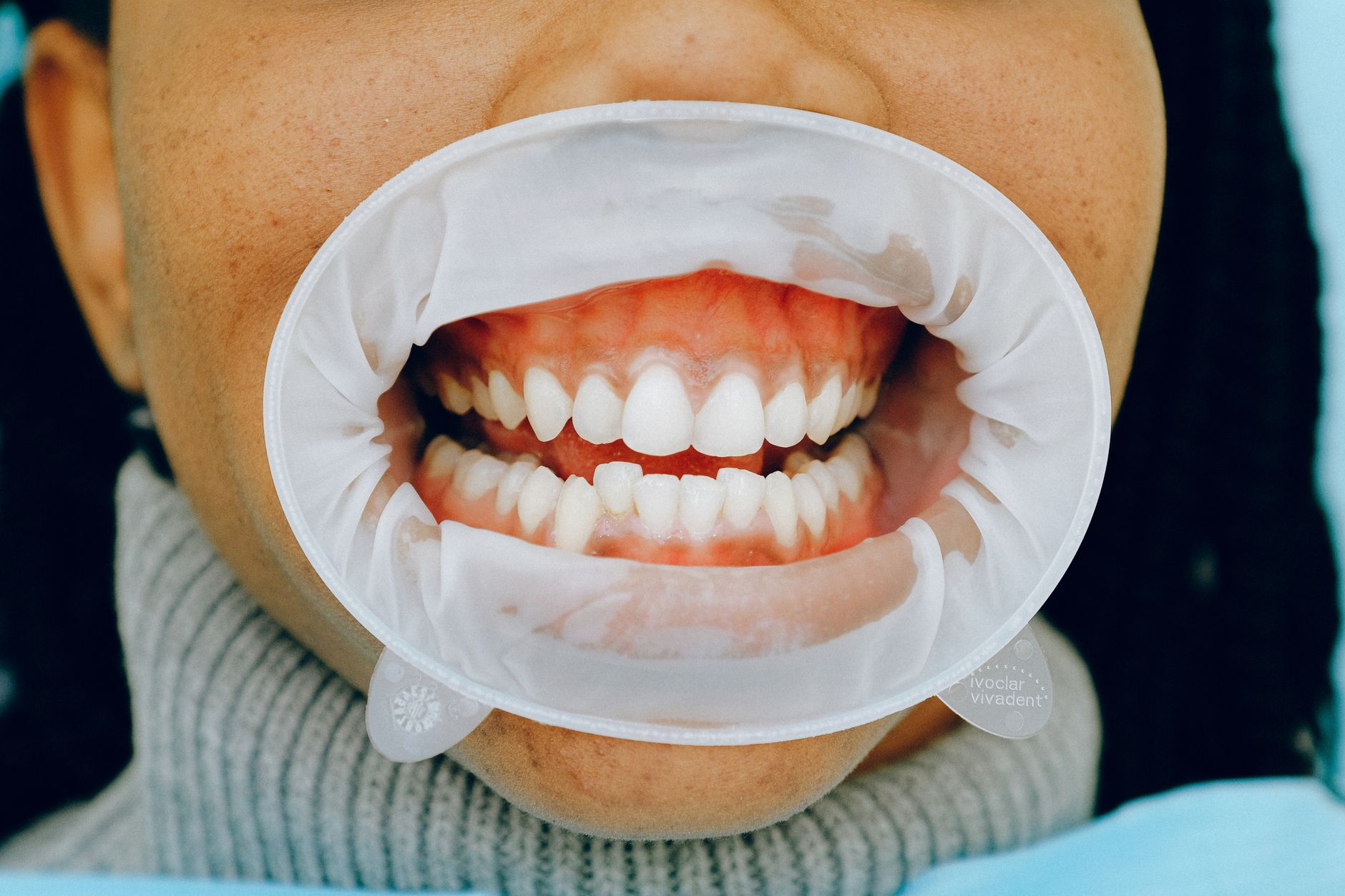
The question, “Can gums grow back?” is a common concern for many individuals experiencing gum recession. Gum recession occurs when the gum tissue surrounding the teeth pulls back, exposing more of the tooth or even the tooth’s root. This condition can lead to sensitivity, increased risk of cavities, and other dental issues. Understanding the causes and consequences of gum recession is essential for maintaining oral health.
Gum recession can occur due to several factors, including periodontal disease, aggressive brushing, hormonal changes, and genetic predisposition. When gums recede, it can create pockets between teeth and gums, which can harbor bacteria and lead to further gum disease. It is crucial to recognize the signs of gum recession early, as timely intervention can prevent further complications.
To address the question of whether gums can grow back, it is important to clarify that while gum tissue does not regenerate on its own, certain treatments can help restore gum health and improve the appearance of receded gums.
Causes of Gum Recession
Gum recession can result from various factors, each contributing to the loss of gum tissue. Understanding these causes can help individuals take preventive measures and seek appropriate treatment.
- Periodontal Disease: This is a serious gum infection that damages the soft tissue and bone supporting the teeth. It is often caused by poor oral hygiene.
- Aggressive Brushing: Using a hard-bristled toothbrush or brushing too vigorously can wear down gum tissue over time.
- Genetics: Some individuals may be genetically predisposed to gum recession, making them more susceptible to this condition.
- Hormonal Changes: Fluctuations in hormones, particularly in women during puberty, pregnancy, or menopause, can affect gum health.
- Misaligned Teeth: Teeth that are not properly aligned can place uneven pressure on the gums, leading to recession.
Signs and Symptoms of Gum Recession
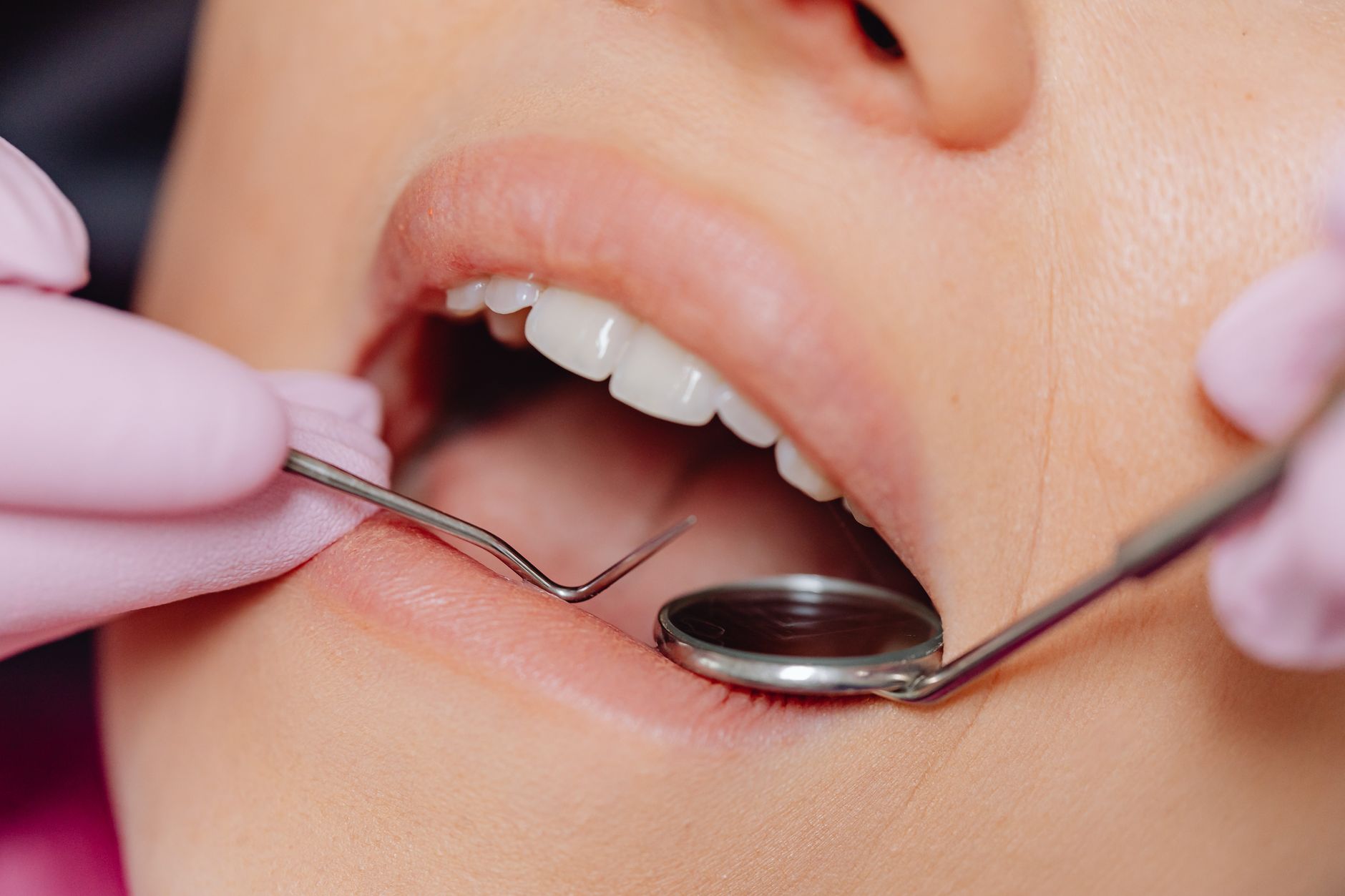
Recognizing the signs of gum recession is crucial for early intervention. Some common symptoms include:
- Visible Tooth Roots: Exposed roots of the teeth can become sensitive to temperature changes.
- Increased Tooth Sensitivity: Sensitivity to hot or cold foods and drinks can indicate gum recession.
- Longer Appearing Teeth: As gums recede, teeth may appear longer than normal.
- Bad Breath: Persistent bad breath can be a sign of gum disease, which may lead to recession.
- Gum Bleeding: Bleeding during brushing or flossing can indicate gum health issues.
Can Gums Grow Back Naturally?
Many people wonder if gums can grow back naturally after they have receded. The reality is that once gum tissue is lost, it does not regenerate on its own. This lack of natural regrowth is due to the unique tissue structure of the gums. However, this does not mean that individuals cannot improve their gum health.
Maintaining good oral hygiene is essential. Regular brushing and flossing can help prevent further recession and improve overall gum health. Additionally, routine dental check-ups allow for early detection and treatment of gum disease.
While natural regrowth is not possible, certain treatments can support gum health and improve their appearance. These include surgical and non-surgical options.
Treatment Options for Gum Recession
Several treatment options are available for individuals experiencing gum recession. The appropriate choice depends on the severity of the recession and the underlying cause. Here are some common treatments:
Non-Surgical Treatments
- Scaling and Root Planing: This deep cleaning procedure removes plaque and tartar from below the gum line, helping to reduce inflammation and promote healing.
- Antimicrobial Treatments: Prescription mouth rinses or gels containing antimicrobial agents can help reduce bacteria and inflammation.
- Good Oral Hygiene Practices: Regular brushing with a soft-bristled toothbrush and daily flossing can help maintain gum health.
Surgical Treatments
- Gum Grafting: This procedure involves taking gum tissue from another area of the mouth or using donor tissue to cover exposed roots.
- Pinhole Surgical Technique: A minimally invasive procedure that uses a special instrument to reposition gum tissue over exposed roots.
- Regenerative Procedures: These techniques aim to regenerate lost gum tissue and may involve the use of grafts or other materials.
Preventing Gum Recession
Prevention is key when it comes to gum health. There are several steps individuals can take to minimize their risk of gum recession:
- Practice Good Oral Hygiene: Brush at least twice a day with fluoride toothpaste and floss daily to remove plaque and prevent gum disease.
- Use a Soft-Bristled Toothbrush: A soft-bristled toothbrush helps protect gum tissue from damage caused by aggressive brushing.
- Visit Your Dentist Regularly: Schedule dental check-ups and cleanings every six months to monitor your oral health.
- Avoid Tobacco Products: Smoking or using tobacco can increase the risk of gum disease and recession.
- Manage Hormonal Changes: Women should discuss any hormonal changes with their healthcare provider and understand how it can affect gum health.
Diet and Gum Health
Nutrition plays a critical role in maintaining gum health. A balanced diet helps support the immune system and promotes healing. Here are some dietary tips for healthy gums:
- Consume Vitamin C: Foods rich in vitamin C, such as oranges, strawberries, and leafy greens, can help maintain healthy gums.
- Stay Hydrated: Drinking plenty of water helps wash away food particles and bacteria in the mouth.
- Avoid Sugary Foods: Limit consumption of sugary snacks and beverages that can contribute to plaque buildup.
- Include Omega-3 Fatty Acids: Foods like salmon and walnuts may help reduce inflammation and promote gum health.
Advanced Treatments for Gum Recession
1. Pinhole Surgical Technique
The Pinhole Surgical Technique (PST) is a minimally invasive procedure that has gained popularity in recent years for treating gum recession. Unlike traditional grafting methods, PST involves making a small hole in the gum tissue and using specialized instruments to reposition the existing gum over the exposed roots. This technique is beneficial because it generally results in less discomfort, quicker recovery times, and minimal swelling.
One of the significant advantages of PST is that it preserves the patient’s own gum tissue, which can lead to better aesthetic results. Studies have shown that PST can effectively improve gum tissue coverage, leading to enhanced root protection and a more uniform gum line.
- Minimally invasive
- Reduced recovery time
- Preserves existing gum tissue
2. Connective Tissue Grafting
Connective tissue grafting is a more traditional surgical option for treating gum recession. In this procedure, tissue is taken from the palate or another area of the mouth and grafted onto the affected gum area. This helps to cover exposed roots and can create a thicker gum tissue, which is more resilient against further recession.
Connective tissue grafts are particularly effective in cases of significant recession or when the gum tissue is thin. The success of this method is highly dependent on the skill of the surgeon and the patient’s adherence to post-operative care guidelines. Commonly, patients are advised to avoid strenuous activities, maintain excellent oral hygiene, and attend follow-up appointments to ensure proper healing.
- Effective for significant recession
- Creates thicker gum tissue
- Requires careful post-operative care
3. Laser Gum Therapy
Laser gum therapy is an innovative treatment option that uses laser technology to treat gum recession and related conditions. This technique can reduce the need for incisions and stitches, leading to less discomfort and a more rapid recovery. Lasers can target diseased tissue while preserving healthy gum tissue, promoting healing and regeneration.
Laser therapy can also help in the treatment of periodontal disease, which is often a contributing factor to gum recession. By addressing both the recession and any underlying conditions, patients may experience improved gum health overall. This approach can be particularly appealing to those who are anxious about traditional surgical methods.
- Minimally invasive
- Promotes healing and regeneration
- Effective for periodontal disease

Gum Health and Systemic Conditions
1. The Link Between Gum Health and Cardiovascular Disease
Research has indicated a correlation between gum health and cardiovascular disease. Inflammation in the gums can lead to systemic inflammation, which is a risk factor for heart disease. Bacteria from periodontal disease can enter the bloodstream and contribute to the formation of arterial plaque, potentially leading to heart attacks and strokes.
It is crucial for individuals with gum disease to maintain regular dental check-ups and manage their overall health. Addressing gum health can be an integral part of a comprehensive approach to reducing cardiovascular risks. Patients are encouraged to discuss their oral health with their healthcare providers to ensure that both gum and heart health are prioritized.
- Inflammation in gums linked to systemic inflammation
- Bacteria can enter bloodstream
- Regular dental check-ups are essential
2. Diabetes and Gum Recession
Diabetes is another systemic condition that can significantly affect gum health. Elevated blood sugar levels can impair blood flow and weaken the immune response, making individuals more susceptible to gum infections. People with diabetes are at a higher risk for developing gum disease, which can lead to further recession if not managed effectively.
Effective management of diabetes is essential for maintaining gum health. This includes regular monitoring of blood sugar levels, a balanced diet, and consistent oral hygiene. Patients with diabetes should work closely with both their dentist and physician to create a tailored care plan that addresses both their oral and overall health needs.
- Diabetes can impair blood flow
- Higher risk of gum infections
- Regular collaboration with healthcare providers is crucial
3. Autoimmune Diseases and Their Impact on Gum Health
Autoimmune diseases, such as lupus and rheumatoid arthritis, can affect gum health significantly. These conditions often lead to increased inflammation, which can exacerbate gum recession and periodontal disease. Patients with autoimmune disorders may experience a higher incidence of oral complications, making it essential to monitor their gum health closely.
For individuals with autoimmune diseases, a comprehensive approach to oral care is vital. This may include regular dental visits, specialized oral hygiene routines, and possibly even the use of prescription mouth rinses to help manage inflammation. Collaboration between dental and medical professionals can provide a more holistic treatment plan that addresses the unique challenges faced by these patients.
- Increased inflammation from autoimmune diseases
- Higher incidence of oral complications
- Importance of a comprehensive oral care approach
Home Remedies and Lifestyle Changes to Support Gum Health
1. Essential Oils and Natural Antiseptics
Essential oils such as tea tree oil, clove oil, and peppermint oil have been shown to have antimicrobial properties that may support gum health. Using these oils in diluted forms can help reduce bacteria in the mouth, potentially lowering the risk of gum disease. However, it is essential to use these oils cautiously and consult with a dental professional before incorporating them into your oral care routine.
Tea tree oil, in particular, has been studied for its ability to reduce plaque and gingivitis. Clove oil is known for its analgesic properties, which can help soothe inflamed gums. When used correctly, these essential oils can be a beneficial adjunct to regular oral hygiene practices.
- Tea tree oil for plaque reduction
- Clove oil for soothing inflamed gums
- Use diluted forms of essential oils
2. The Role of Hydration in Oral Health
Staying hydrated is crucial for maintaining overall oral health, including gum health. Adequate hydration helps ensure proper saliva production, which plays a vital role in neutralizing acids and washing away food particles and bacteria. Dehydration can lead to dry mouth, increasing the risk of gum disease and tooth decay.
To support gum health, individuals should aim to drink plenty of water throughout the day. Additionally, incorporating hydrating foods such as cucumbers, oranges, and watermelon can contribute to overall hydration levels. Keeping hydrated not only benefits the gums but also promotes fresh breath and better overall oral hygiene.
- Proper hydration supports saliva production
- Saliva neutralizes acids in the mouth
- Include hydrating foods in your diet
3. Stress Management and Gum Health
Chronic stress can negatively impact oral health, contributing to gum disease and recession. Stress can lead to bruxism (teeth grinding), which puts additional pressure on the gums and teeth. Moreover, stress often results in neglecting oral hygiene routines, further exacerbating gum problems.
To combat stress, individuals should consider incorporating relaxation techniques into their daily routines. Practices such as yoga, meditation, and regular physical activity can help reduce stress levels. Additionally, maintaining a balanced lifestyle with sufficient sleep and healthy eating can contribute to better gum health by minimizing the negative effects of stress.
- Chronic stress can contribute to gum disease
- Relaxation techniques can minimize stress levels
- A balanced lifestyle supports overall health
Frequently Asked Questions
Can gums grow back after gum disease?
Gums do not regenerate naturally after gum disease. However, treatment can help manage the condition and improve gum health.
How can I tell if my gums are receding?
Signs of receding gums include visible tooth roots, increased sensitivity, longer-looking teeth, and gum bleeding.
Are there any home remedies for gum recession?
While maintaining good oral hygiene is essential, there are no home remedies that can reverse gum recession. Professional treatment is necessary for significant issues.
When should I see a dentist about my gums?
If you notice any signs of gum recession, bleeding, or sensitivity, it is important to schedule a dental appointment for evaluation and treatment.
The Bottom Line
In summary, the question “Can gums grow back?” does not have a straightforward answer. While gum tissue does not naturally regenerate, various treatments can restore gum health and appearance. Maintaining good oral hygiene and seeking regular dental care are vital for preventing gum recession and ensuring overall oral health.
Note: This article is for general information only and is not medical advice. See a qualified health professional about your own situation.