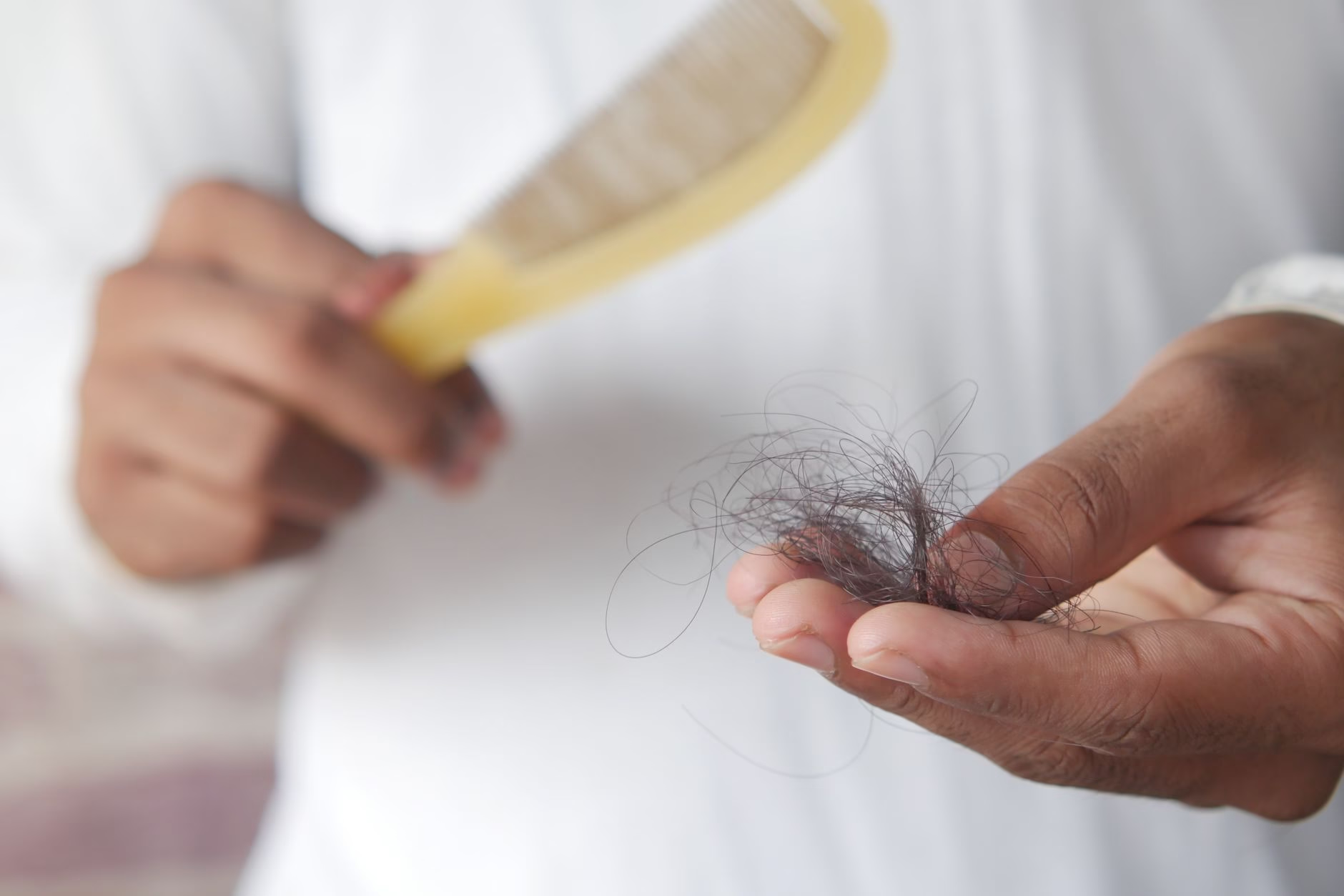
prozac hair loss is a concern some people notice after starting fluoxetine. This article reviews what science says, how hair health can shift during antidepressant use, and what practical steps help many patients balance mood improvement with scalp care today.
Hair loss involves more than a single strand. It may reflect normal shedding, telogen effluvium, or hair thinning from nutrient gaps, stress, hormonal changes, or medications. Understanding these patterns helps people distinguish routine shedding from signals that deserve care attention.
This article focuses on Prozac, or fluoxetine, and hair health. It notes that hair loss is rarely listed as a common side effect, yet some patients report thinning. The goal is to provide balanced, practical guidance for readers and families.
Medical reviews show hair loss with antidepressants is possible but rare. Factors such as nutrition, stress, and chronic illness also contribute. This article covers safety, when to seek care, and how doctors weigh medication decisions while protecting overall well-being too.
Readers will learn to monitor hair health, notice patterns that align with dosage or timing, and ask responsible questions at visits. The approach aims for clear, evidence-based guidance, not fear, so readers can stay engaged with treatment and daily life.
Key Takeaways
| Takeaway | Why it matters |
|---|---|
| prozac hair loss is rare | While reported, it remains uncommon and often reverses with medical oversight and adjustments. |
| proactive monitoring helps | Regular check-ins with a clinician support early identification of hair changes and safe next steps. |
Understanding hair loss patterns
Hair health follows cycles. Each strand grows, rests, and falls out in a predictable rhythm. In healthy people, daily shedding is normal and usually inconsequential. When shedding increases beyond expected levels, people notice visible thinning or patches on the scalp.
Telogen effluvium is a common pattern after stress, illness, or major life events. It can accompany changes in sleep, appetite, or mood. With telogen effluvium, shedding may be diffuse rather than focused on a small area, and it often reverses with time or improvements in health.
Alopecia areata, an autoimmune condition, causes patchy hair loss. It is less common but important to identify because some triggers may resemble medication-related hair changes. Distinguishing between conditions helps ensure the right treatment plan is chosen.
Nutritional status plays a critical role in hair health. Iron levels, vitamin D, zinc, and protein intake influence hair growth cycles. People with restrictive diets, chronic illness, or poor absorption may notice thinning that improves with nutritional optimization under medical supervision.
Stress amplifies hair loss symptoms for some. Even when a medication is involved, mental load can worsen shedding through hormonal pathways and immune responses. Reducing stress through sleep, mindfulness, or counseling can support overall hair health as part of a comprehensive plan.
Medication effects are one piece of the puzzle. SSRIs, including fluoxetine, are linked to a spectrum of side effects, but hair loss is not a common one. Individual responses vary, and hair changes may reflect multiple interacting factors rather than a single cause.
prozac hair loss: what the science shows
Clinical data on prozac hair loss remains limited. Most reports come from case observations rather than large controlled trials. Researchers propose several mechanisms, including hormonal shifts, nutritional imbalances, or immune processes that could influence hair cycling in rare cases.
When researchers describe hair thinning during SSRI use, they emphasize that the incidence is small and often reversible. Stopping or changing therapy should only happen under medical guidance. Patients who pause medication without professional input may face mood relapse or withdrawal symptoms.
Some studies have looked at hair-related side effects across several antidepressants. While hair loss is not a common outcome for fluoxetine, individual variations exist. People with preexisting hair fragility or nutritional deficiencies may notice changes earlier than others.
Comparing fluoxetine with other antidepressants shows mixed results. Some agents have higher reported rates of hair loss, while others show minimal or no associations. Clinicians weigh these risks alongside mood benefits, patient history, and treatment goals to tailor plans.
Medications can influence hair through hormonal, metabolic, and immune pathways. The exact biology is not completely understood, but this is a reminder that every medication has a unique profile. Patients should discuss concerns openly with clinicians to avoid unnecessary alarm.
For readers seeking more general information, reputable sources provide context on SSRIs and side effects. Regulatory agencies outline approved uses and potential adverse effects, while medical libraries summarize hair biology in accessible terms. This helps people understand possibilities without fear or misinterpretation.
Understanding causes in SSRI users
Medication side effects can arise from how a drug changes brain chemistry and body tissues. Fluoxetine affects serotonin levels, which in turn can influence hormones, nutrition, and immune responses. Hair follicles live in a sensitive environment where these factors may play a role.
Psychological stress and anxiety can worsen hair shedding. The brain and body communicate constantly, and high stress can disrupt hormonal balance. Coping strategies, such as regular exercise and consistent sleep, may support both mood and hair health during treatment.
Nutritional status is essential for hair growth. Deficiencies in iron, zinc, or protein, among others, can slow hair follicle function. When a patient uses Prozac and experiences appetite changes, clinicians may assess dietary intake and address gaps through counseling or supplements.
Hormonal changes, including thyroid function and reproductive hormones, influence hair cycles. Illness or medications can alter these systems. In some cases, addressing thyroid issues, iron insufficiency, or vitamin deficiencies improves both energy and scalp health.
Autoimmune factors may contribute to hair loss in some patients. If the immune system misfires, hair follicles can be targeted, leading to shedding. Understanding whether an autoimmune process is present guides treatment options and helps avoid mistaken conclusions about medications alone.
In summary, hair thinning in SSRI users results from a mix of drug effects, stress, and health status. No single cause fits every person. Clinicians aim to identify contributors and address them through a plan that preserves mood stability and hair health.
Causes of Hair Loss in SSRI Users
Prescription patterns vary. Some patients experience temporary shedding after a dose change, while others notice gradual thinning as part of longer-term use. Hair changes may also align with seasonal shifts, illness, or changes in nutrition, complicating attribution to a medication alone.
Healthcare providers often review medications for possible contributors. If a patient takes multiple drugs, interactions can influence outcomes including hair health. The goal is to identify the combination with the fewest risks while still achieving mental health benefits.
Genetic factors also play a role. A family history of thinning or early hair loss raises the likelihood of noticing changes during any medical treatment. Clinicians consider this when advising on treatment adjustments or alternative therapies.
When hair loss occurs, simple steps—such as gentle hair care, avoiding tight hairstyles, and minimizing heat damage—can help. These practices support scalp health even if the underlying cause is multifactorial, preserving self-confidence while medical plans are reviewed.
prozac hair loss: how to recognize and respond
Distinguishing medication-related thinning from other causes is important. If shedding starts after beginning fluoxetine or changing dosage, this correlation should be discussed with a clinician. They can review timing, dosage, and related symptoms to determine next steps.
Watch for signs of scalp irritation, redness, or itching, which may indicate another issue such as an allergic reaction or dermatitis. If such symptoms accompany hair shedding, urgent evaluation might be needed to rule out infection or reactions requiring care.
Tracking hair changes over weeks or months helps clarify patterns. A simple diary noting dates of dose changes, mood shifts, sleep quality, and diet can illuminate links between treatment and hair health, guiding conversations with healthcare providers.
People may also notice changes in nail strength, skin texture, or energy levels, which could reflect broader nutritional or health issues. A holistic review helps identify gaps and supports a plan that keeps hair health in context with overall wellness.
Best practices include continuing to follow prescribed therapy unless a clinician advises a change. Do not stop antidepressants abruptly. A gradual taper, under medical supervision, protects mood and reduces risks of withdrawal or relapse while hair concerns are discussed.
Recognizing prozac hair loss and when to seek help
If you observe persistent thinning that progresses over weeks, seek medical advice. A clinician can assess possible causes, order tests, and evaluate whether medication adjustments may help while monitoring mood safety.
Consider discussing family history, hair care routines, and dietary patterns. These details help clinicians build a complete picture and tailor recommendations that address both hair health and emotional well-being.
When mood remains stable but hair changes continue, a referral to a dermatologist or endocrinologist may be appropriate. Specialist input often clarifies whether hair loss is due to medications, hormones, or a different condition altogether.
Patient education is key. Understanding the limits of current knowledge helps manage expectations and avoids unnecessary fear. Clinicians can explain safety margins, potential alternatives, and timelines for seeing improvement if adjustments are made.
Finally, the support of family, friends, and healthcare teams matters. Sharing concerns and experiences helps readers stay engaged with care plans that balance hair health with sustained mental wellness.
Prevention and management
Prevention starts with open communication about side effects. Regular check-ins with a clinician help detect hair changes early and adjust plans to minimize impact on daily life and mood. This collaborative approach respects patient values and safety limits.
Nutrition is a practical pillar of care. Adequate protein, iron, zinc, vitamin D, and essential fatty acids support hair growth and resilience. If appetite changes occur during treatment, dietitian guidance can address gaps and prevent deficiencies that could worsen shedding.
Stress management matters. Techniques such as structured breathing, cognitive exercises, and gentle activity can improve sleep and mood while reducing physical strain on the hair cycle. Consistency is key for long-term benefits that extend beyond scalp health.
Hair care practices influence appearance and confidence. Gentle cleansing, minimal heat styling, silicone-free products, and avoiding tight braids protect follicles. A better routine supports natural regrowth during recovery periods and may help maintain fullness during therapy adjustments.
Medical monitoring remains essential. Clinicians may order tests to rule out thyroid issues, iron deficiency, or autoimmune conditions. Clear results help guide decisions about continuing, changing, or pausing Prozac under supervision, with patient safety as the priority.
In some cases, hair regrowth occurs after medication changes. Regrowth timelines vary, but patience and adherence to medical advice can yield improvements over months. Supportive therapies such as topical minoxidil or low-level light therapy may be discussed where appropriate.
For readers seeking context on how hair health intersects with medications, trusted sources offer explanations of side effects, mechanisms, and guidance. The FDA provides official information on approved uses and adverse events. This helps readers interpret risks with clarity and caution.
Evidence summarizing hair biology is available from the NIH and MedlinePlus. These resources explain why hair cycles respond to health changes and how clinical care collaborates with lifestyle strategies to optimize outcomes during antidepressant use.
Clinicians also reference peer-reviewed articles from PubMed to understand rare or emerging reports. By keeping up with studies, patients gain awareness of evolving evidence while prioritizing safety and mood stability in daily life.
Internal resources from trusted sites on this platform offer related topics. For example, Celexa hair loss and Lexapro hair loss pages discuss similar concerns with different medications and cultivate a broader understanding of how antidepressants can affect hair health.
Internal links provide quick access to related discussions and clinical perspectives, keeping readers informed about different medication profiles and strategies that support overall well-being during treatment.
Diagnosis and treatment options
Diagnosis begins with a careful history and a physical exam. Clinicians ask about timing, dosage changes, symptoms, and family history. They may check hair shedding patterns, scalp condition, and nutrition to rule out other causes.
Laboratory tests can help identify nutritional deficiencies or hormonal disturbances that influence hair health. A simple blood screen may include iron, ferritin, thyroid function, and vitamin D. The results guide personalized care without delaying necessary mood therapy.
In many cases, hair loss related to medication is reversible after addressing underlying contributors. If a clinician determines Prozac is a factor, options include dose adjustment, brief drug holidays under supervision, or switching to an alternative antidepressant with careful monitoring.
Non-drug strategies support recovery. Gentle hair care, scalp massage, regulated stress exposure, and adequate sleep all contribute to a healthier hair cycle. These measures complement medical decisions and help patients feel actively involved in their care plan.
Dermatologic therapies may be considered for specific patterns. Topical agents, nutrition support, or immune-modulating treatments could be explored in collaboration with a dermatologist. The aim is to restore hair density while maintaining emotional stability and quality of life.
Patients should not discontinue Prozac without medical advice. Abrupt stopping can cause withdrawal symptoms and mood deterioration. A clinician can plan a gradual taper or switch to another agent with a structured follow-up to protect overall health.
Safety and when to seek professional help
Significant hair loss, scalp irritation, or sudden changes warrant medical assessment. Early professional input improves the chance of identifying reversible causes and preventing long-term hair damage while maintaining safe pharmacologic care.
Seek urgent care if you experience symptoms of an allergic reaction or severe side effects such as swelling of the face or throat, a rash, or difficulty breathing. These signs require immediate evaluation and potential adjustments to treatment.
Conclusion: personalized care and informed choices
Hair changes during Prozac use are possible but uncommon. Individual factors including nutrition, stress, and health status influence outcomes as doctors balance mood benefits with hair health considerations. Personalized plans help readers navigate treatment with confidence and safety.
Readers are encouraged to discuss any observed prozac hair loss with their clinician. Early conversation supports timely adjustments, clarifies expectations, and protects both mental health and scalp well-being through thoughtful, evidence-based decisions that honor patient values.
Ultimately, management centers on collaboration. Ongoing monitoring, supportive lifestyle choices, and access to credible resources empower readers to pursue healing for hair health while sustaining their emotional and social comfort during therapy.
Frequently Asked Questions
Does prozac hair loss happen often?
Prozac hair loss is not common. Most people do not experience it, and when it does occur, it is usually reversible with medical guidance. If shedding appears after starting fluoxetine, consult a clinician to explore causes and options.
What signs suggest hair loss is linked to Prozac?
Noticeable thinning that begins after starting or changing dosage may suggest a link. If shedding is diffuse across the scalp or coincides with timing changes in medication, discuss this with a healthcare provider for proper assessment.
Can hair loss from Prozac be reversed without stopping the medication?
In many cases, hair changes improve with careful management rather than stopping treatment. A clinician may adjust dosage, switch to another antidepressant, or add supportive therapies while monitoring mood and hair health.
Are there risk factors that increase the chance of hair loss on Prozac?
Individual factors such as genetics, nutritional status, stress levels, thyroid function, and autoimmune tendencies can influence risk. A comprehensive evaluation helps identify contributors and tailor care to reduce unnecessary hair loss.
What should I do if I notice hair loss while on Prozac?
Contact your healthcare provider to evaluate possible causes, review timing and dosing, and discuss safe options. They may order tests, adjust treatment, or suggest non-drug strategies to support hair health and mood stability.
When is it appropriate to seek urgent medical advice about hair loss?
Seek urgent care if hair loss is accompanied by severe scalp irritation, swelling, fever, or signs of an allergic reaction. These symptoms can indicate conditions needing rapid evaluation and treatment.
Sources
Mayo Clinic – SSRI side effects
National Institutes of Health – Hair Loss Causes
PubMed – Peer-reviewed articles on SSRI side effects
Internal resources: Celexa hair loss, Celexa side effects in women, Lexapro hair loss, Zoloft hair loss, Fluoxetine side effects.