





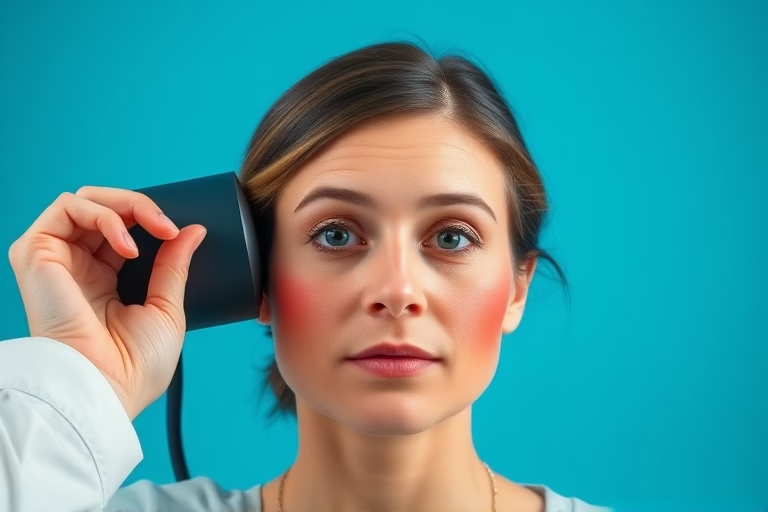
In this article, we will be discussing the question: Can high blood pressure cause red cheeks? High blood pressure, also known as hypertension, is often referred to as the “silent killer” due to its lack of noticeable symptoms. However, one common manifestation of increased blood pressure can be the appearance of red cheeks. While many individuals may not connect their flushed facial appearance with high blood pressure, it is essential to understand the potential link between these two conditions. This article will explore the relationship between high blood pressure and red cheeks, alongside other related factors affecting one’s health. By gaining insights into this topic, readers will be better equipped to recognize symptoms and seek appropriate medical advice.
High blood pressure is defined as a condition where the force of the blood against the artery walls is consistently too high. Normal blood pressure typically ranges between 90/60 mmHg and 120/80 mmHg. When blood pressure readings exceed these values, individuals may be diagnosed with hypertension. This elevated pressure can strain the heart and damage blood vessels, leading to serious health complications. One less commonly recognized symptom of high blood pressure is erythrosis, which refers to a reddening of the skin, particularly on the cheeks. The rationale behind this can be attributed to increased blood flow in response to elevated pressure levels. In some cases, factors like stress, hot weather, or vigorous physical activity can exacerbate this redness. Understanding these factors is critical for anyone experiencing sudden or persistent changes in skin color.
Understanding Hypertension and Its Symptoms
Hypertension is a common health issue affecting millions worldwide. Notably, it can often develop without noticeable symptoms, making regular health check-ups vital. However, when symptoms do appear, they may include headaches, shortness of breath, nosebleeds, and facial flushing. It is critical for people to be aware of these signs, as they can indicate dangerously high blood pressure levels. Red cheeks can occur due to heightened blood flow when blood pressure rises, acting as an early visual cue. Hence, monitoring blood pressure regularly can help in managing and preventing the progression of hypertension. Maintaining awareness of one’s body and responding to any signs helps in tackling the complexities of this condition.
The Link Between High Blood Pressure and Facial Redness
Facial redness is often associated with a variety of health issues, including hypertension. The connection lies within the body’s physiological response to stress or elevated pressure. When blood pressure rises, the body may increase circulation to certain areas, including the face, leading to a flushed appearance. It is important to remember that while red cheeks can indicate high blood pressure, they can also result from other factors, such as allergies, skin conditions, or temperature changes. As a result, individuals experiencing persistent flushing should seek professional medical advice to rule out hypertension and other underlying issues.
Common Causes of High Blood Pressure
Various factors can contribute to the development of high blood pressure. Lifestyle choices, such as excessive salt intake, lack of physical activity, and obesity, significantly impact hypertension rates. Stress can also be a major contributor, as it triggers the release of hormones that tighten blood vessels. Additionally, genetic predisposition plays a role; if a family member has hypertension, individuals may have a higher chance of developing it themselves. Chronic conditions, including diabetes and kidney diseases, may further complicate blood pressure levels. Therefore, understanding these common causes helps in crafting a comprehensive approach to manage and minimize hypertension.
The Role of Diet in Managing Blood Pressure
Diet significantly influences blood pressure levels. Consuming a balanced diet that emphasizes whole foods, fruits, vegetables, lean proteins, and whole grains is crucial in preventing and managing hypertension. The DASH (Dietary Approaches to Stop Hypertension) diet is particularly effective. It recommends reducing salt intake and focusing on nutrient-rich foods that promote heart health. Foods rich in potassium, such as bananas and spinach, can help balance sodium levels in the body, ultimately contributing to lower blood pressure. Moreover, lifestyle adjustments in diet can not only alleviate symptoms such as red cheeks but also promote overall wellbeing.
Managing Stress to Control High Blood Pressure
Stress management is another essential aspect of controlling high blood pressure. When the body is under stress, it produces hormones that can constrict blood vessels, leading to elevated pressure. Incorporating relaxation techniques such as meditation, yoga, and deep breathing exercises can help counteract these effects. Additionally, engaging in regular physical activity can act as a stress reliever while providing the added benefit of lowering blood pressure. Therefore, creating a balanced lifestyle that prioritizes mental and emotional health is beneficial for those tackling hypertension-related symptoms.
The Impact of Physical Activity on Blood Pressure
Regular physical activity has a profound effect on blood pressure levels. Engaging in aerobic exercises, such as walking, running, or swimming, can strengthen the heart. As the heart becomes more efficient, it pumps blood with less effort, reducing the pressure on arteries. The recommendation is to aim for at least 150 minutes of moderate aerobic activity each week. Furthermore, combining aerobic exercise with strength training can enhance overall heart health and manage blood pressure effectively. For individuals experiencing red cheeks, maintaining physical activity levels can help alleviate this symptom as blood circulation improves and overall health is optimized.
Medications for High Blood Pressure
For those diagnosed with hypertension, medication may be necessary to help regulate blood pressure levels. Various types of medications are available, including diuretics, ACE inhibitors, and beta-blockers. Each class of medication serves a different purpose and can have varying side effects, so it is crucial for individuals to consult with healthcare professionals to determine the most appropriate treatment. Proper adherence to prescribed medication can prevent complications associated with high blood pressure, including more severe symptoms like red cheeks or other visible changes in the body.
When to Seek Medical Help for High Blood Pressure
Individuals experiencing concerning symptoms related to high blood pressure, such as persistent red cheeks or extreme headaches, should seek medical help immediately. While high blood pressure may not always present noticeable symptoms, it can lead to severe health complications if left unmonitored. Regular health check-ups are essential to managing this condition effectively, as early detection and intervention can greatly improve health outcomes. Recognizing the signs of potential hypertension can facilitate timely medical attention and preventative care.
Conclusion: Understanding the Implications of High Blood Pressure
In conclusion, understanding whether high blood pressure can cause red cheeks involves recognizing the physiological link between increased pressure and blood flow to the face. High blood pressure is a critical health issue that requires attention, especially since it can develop without noticeable symptoms. Redness in the cheeks may serve as a visual indicator of hypertension, urging individuals to consult healthcare professionals for monitoring and potential treatment. Factors such as diet, stress, and physical activity play significant roles in managing blood pressure. Therefore, adopting a holistic approach to health — including lifestyle changes and regular check-ups — will empower individuals to better understand and control their blood pressure, thereby reducing related symptoms and risks.
Frequently Asked Questions
Q1: Can anxiety cause red cheeks?
A1: Yes, anxiety can lead to increased blood flow, resulting in flushed cheeks. This may also correlate with heightened blood pressure during stressful moments.
Q2: What lifestyle changes can I make to lower my blood pressure?
A2: Important lifestyle changes include adopting a balanced diet, increasing physical activity, managing stress, reducing salt intake, and maintaining a healthy weight.
Q3: Is facial flushing always a sign of high blood pressure?
A3: No, while it can be a sign, facial flushing may also result from other factors such as hot weather, exercise, skin allergies, or medications.
Q4: How often should I check my blood pressure?
A4: It is recommended to check your blood pressure at least once a year if you’re healthy, but those at risk for hypertension should consult a healthcare provider for regular monitoring.
Q5: What should I do if I have consistently high blood pressure readings?
A5: Consult with a healthcare professional for a comprehensive assessment and possible treatment options, including lifestyle modifications and medications.
Further Reading
What Type of Psychotherapy Is Best for Anxiety?