





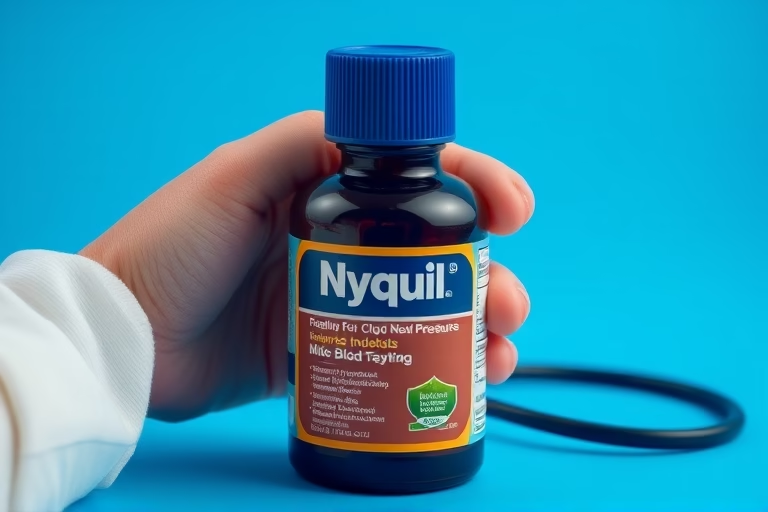
When discussing the use of NyQuil for individuals with high blood pressure, it is crucial to understand the composition and effects of the medication. NyQuil is an over-the-counter medication commonly used to relieve symptoms associated with the common cold and flu, such as cough, runny nose, fever, and sore throat. However, those who suffer from high blood pressure must approach this medication with caution. Some of its ingredients, particularly decongestants, can elevate blood pressure levels, leading to potential health risks. Therefore, the question arises: **”Can I take high blood pressure NyQuil?”** This article will explore this topic in detail, aiming to provide clarity and guidance on the safe use of NyQuil for those with hypertension.
Understanding High Blood Pressure
High blood pressure, also known as hypertension, affects millions of people worldwide. It occurs when the force of the blood against the artery walls is consistently too high, leading to various health complications, including heart disease, stroke, and kidney problems. Blood pressure is measured in millimeters of mercury (mmHg), with readings classified as normal, elevated, or hypertensive based on established guidelines. Management of hypertension often involves lifestyle changes, diet, medications, and regular monitoring. Understanding the implications of high blood pressure is important, especially when considering medication options such as NyQuil, which may contain ingredients that could interfere with effective blood pressure control.
Safety Concerns with NyQuil and Hypertension
When contemplating the use of NyQuil for cold and flu relief, it’s essential to consider the potential risks for individuals with high blood pressure. **NyQuil typically contains ingredients like acetaminophen, diphenhydramine, and dextromethorphan**, all of which can be safe for many. However, formulations that include pseudoephedrine or phenylephrine pose additional risks. Both of these ingredients can cause blood vessels to constrict, increasing blood pressure levels. Individuals with hypertension should carefully read labels and consult a healthcare provider before combining their blood pressure medications with NyQuil. For some, non-drowsy antihistamines or other alternatives may be preferable.
Recommended Dosage and Administration
For those who still consider using NyQuil despite having high blood pressure, adherence to the recommended dosage is crucial. Exceeding the prescribed amount can exacerbate side effects and increase risks significantly. Typically, NyQuil is intended for use at the onset of symptoms, with dosages varying based on age and specific formulation. Always administer NyQuil as directed on the packaging or by a healthcare professional, and do not mix it with alcohol or other medications without prior consultation. Furthermore, it’s advisable to monitor blood pressure regularly during usage and to observe any changes in well-being.
Natural Alternatives to NyQuil
Individuals with high blood pressure may consider natural alternatives to NyQuil for cold and flu relief. Remedies such as honey, ginger tea, and lemon can soothe sore throats and alleviate coughing without the added risk of high blood pressure spikes. Additionally, saline nasal sprays and steam inhalation can provide relief from nasal congestion. Herbal teas, such as chamomile or peppermint, not only help relieve symptoms but can also offer relaxation benefits. Always speak to a healthcare provider about which natural remedies are safe, especially when managing blood pressure conditions.
Consulting with Your Doctor
Before taking NyQuil, it’s advisable to consult with a doctor, particularly if you have a history of high blood pressure. Doctors can offer personalized advice tailored to individual health situations, ensuring safe medication practices. Some healthcare professionals may suggest alternative treatments that could be more appropriate for managing cold and flu symptoms without compromising blood pressure. Maintaining open communication with your healthcare provider can lead to better, safer treatment outcomes, as they can also consider your overall health status and current medications.
Side Effects of NyQuil
Like any medication, NyQuil comes with its list of potential side effects. Commonly reported reactions include dizziness, drowsiness, dry mouth, and nausea. For individuals with high blood pressure, side effects may be exacerbated due to their underlying condition. **In some instances, elevated blood pressure can result from the use of decongestants within NyQuil**, so monitoring for these adverse effects is essential. Should any severe side effects occur, such as difficulty breathing, rapid heartbeat, or any sudden changes in health status, it’s vital to seek medical help immediately.
The Importance of Blood Pressure Monitoring
For individuals with high blood pressure, monitoring blood pressure is paramount, particularly when using any new medications, including NyQuil. It is suggested to keep a log of measurements taken throughout the day, noting any fluctuations post-medication usage. Patients are encouraged to recognize symptoms indicating elevated blood pressure, such as headaches, shortness of breath, or vision changes. Regular consultations with healthcare providers about these readings can help guide effective treatment responses as needed. Consistent monitoring supports proactive health management, allowing individuals to adapt their lifestyles and medication approaches accordingly.
Educating Yourself on Over-The-Counter Medications
Educating oneself about over-the-counter medications is essential for safe use, especially when underlying health conditions like hypertension are present. Reading medication labels and understanding ingredient effects helps patients make informed decisions. Many resources are available, including pharmacy consultations, that provide additional guidance on the safe use of NyQuil and similar products. Literacy around medication side effects and interactions can greatly impact health outcomes and provide much-needed peace of mind for consumers.
Emergency Situations and When to Seek Help
It’s important to be aware of when to seek immediate medical attention while using NyQuil with high blood pressure concerns. Signs of severe allergic reactions or abnormal physical responses require urgent care. Symptoms such as chest pain, difficulty breathing, or extreme dizziness indicate an emergency situation. Additionally, if blood pressure readings significantly rise above normal ranges or severe side effects manifest, it’s critical to reach out for medical assistance. Timely intervention can prevent life-threatening situations and ensure appropriate management.
Conclusion: Navigating Hypertension While Using NyQuil
Utilizing NyQuil while managing high blood pressure necessitates careful consideration and proactive steps. As many NyQuil formulations contain ingredients that can elevate blood pressure, individuals diagnosed with hypertension must consult healthcare professionals before usage. Being aware of the safety concerns, dosage recommendations, and available alternatives can empower consumers to make informed decisions regarding their health. Blood pressure monitoring, education on over-the-counter medications, and recognition of potential emergency situations are key components of managing health effectively. Through these actions, individuals can prioritize safety while treating cold and flu symptoms. By understanding both the risks and alternatives, people with high blood pressure can achieve better health outcomes and feel more confident in their choices. Remember to consult with healthcare providers for tailored advice, alongside being vigilant in reading product labels. Empowering oneself with knowledge and support ultimately aids in navigating the complexities of cold treatments for high blood pressure patients.
Frequently Asked Questions
Q1: Can I take NyQuil if I have high blood pressure?
A1: It is not recommended without consulting a healthcare provider, as some ingredients may raise blood pressure.
Q2: What ingredients in NyQuil should I be wary of if I have hypertension?
A2: Look out for decongestants like pseudoephedrine or phenylephrine, which can increase blood pressure.
Q3: Are there safer alternatives to NyQuil for treating cold symptoms with high blood pressure?
A3: Yes, natural remedies like honey, ginger tea, and saline nasal sprays can offer relief without increasing blood pressure risks.
Q4: What should I do if I experience side effects from taking NyQuil?
A4: If you notice severe side effects or your blood pressure significantly rises, seek medical attention immediately.
Q5: How can I manage my cold symptoms without medications?
A5: Staying hydrated, resting, and using natural remedies can help alleviate symptoms without medication.
Further Reading
What Type of Psychotherapy Is Best for Anxiety?