





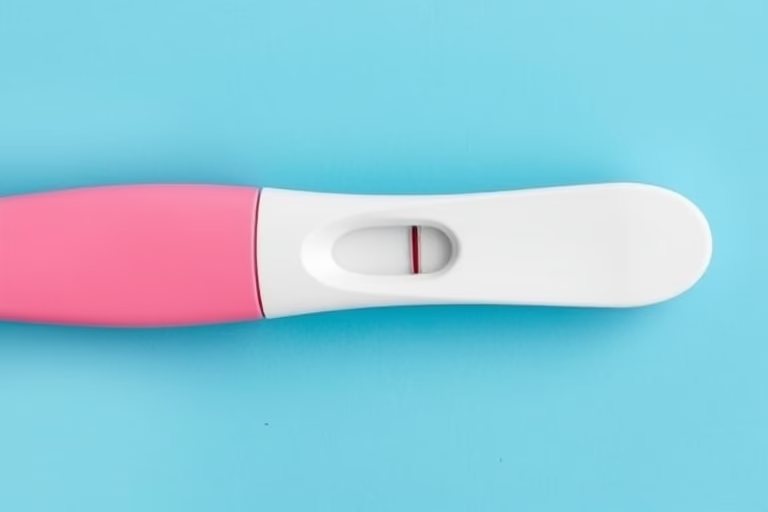
Understanding Implantation Bleeding
When considering early pregnancy signs, one common question arises: can implantation bleeding happen after a positive pregnancy test? Implantation bleeding refers to light spotting that may occur when a fertilized egg attaches itself to the uterine lining, typically around 6 to 12 days post-conception. This is often one of the earliest indicators of pregnancy, as it usually happens right before or around the time a woman would expect her period. However, once a pregnancy test shows a positive result, most women are focused on other symptoms of pregnancy. Yet, it is indeed possible to experience implantation bleeding, even after receiving a positive pregnancy test.
Understanding how these two processes interact can help clarify expectations during early pregnancy. The timing of implantation and the accuracy of pregnancy tests can differ, leading to questions about spotting, bleeding, and what constitutes ‘normal’. This article aims to explore the details surrounding the phenomenon of experiencing implantation bleeding post a positive pregnancy test, helping to ease any confusion and highlight essential information for potential mothers.
What is Implantation Bleeding?
Implantation bleeding is the light spotting that occurs when a fertilized egg attaches to the uterus. During this critical stage, some women might notice brown or pink spotting, which can be mistaken for a menstrual period. It typically lasts for a few hours to a couple of days. The color and texture of implantation bleeding differ from a typical period: the bleeding is usually lighter and doesn’t have the same consistency.
Implantation bleeding does not happen for all women. About one-third of pregnant women might experience it. It’s essential to differentiate between this and menstrual bleeding to avoid confusion. Implantation bleeding can occur shortly before or around the anticipated date of the menstrual period, which can lead to confusion if one receives a positive pregnancy test shortly after. Understanding this can assist in recognizing symptoms accurately and seeking the appropriate medical advice.
The nuances of this bleeding provide insight into early pregnancy signs. Knowing what to watch for can help women prepare for visits to their healthcare providers and monitor their pregnancy cautiously.
Timing of Implantation and Pregnancy Tests
Implantation typically occurs 6 to 12 days after ovulation. For women with regular cycles, this might align closely with their expected menstrual cycle, making timing crucial in understanding subsequent symptoms. Positive pregnancy tests detect the hormone human chorionic gonadotropin (hCG) in the body, which begins to build up shortly after implantation. Generally, pregnancy tests are most accurate after a missed period, but testing a bit earlier could yield a positive result if implantation happens to occur soon after ovulation.
It is essential to note that testing too early might result in a false-negative due to insufficient hCG. Therefore, knowing when implantation occurs can aid women in timing tests more effectively, minimizing anxiety related to uncertain results.
The window of opportunity to test positively and still experience implantation bleeding varies for each woman. Recognizing that both occurrences can coexist within the early stages of pregnancy is vital for mental clarity and preparation for the future.
Symptoms of Implantation Bleeding vs. Menstrual Period
Identifying the difference between implantation bleeding and a menstrual period can be challenging, especially since they may occur around the same time. Understanding their unique symptoms is important for early pregnancy detection.
For implantation bleeding, symptoms include:
- Color: Spots may appear pink or brown, unlike the bright red associated with menstruation.
- Flow: The flow tends to be light, often just spotting rather than a full flow.
- Duration: Implantation bleeding typically lasts a few hours to a couple of days, significantly shorter than menstrual bleeding.
- Accompanied Symptoms: Some women may experience mild cramps or no discomfort at all, while menstrual cramps can be more severe.
By understanding these differences, women can better interpret early pregnancy signs and make informed decisions regarding their health.
When to Consult a Doctor
While spotting and light bleeding can be common early in pregnancy, certain situations warrant a call to a healthcare provider. If the bleeding is heavy, similar to a menstrual period, or accompanied by severe cramps or any unusual symptoms, consulting a doctor is essential. These might include:
- Severe abdominal pain
- Extensive bleeding (soaking a pad in an hour)
- Signs of infection like fever or chills
- Lightheadedness or fainting
These signs can indicate complications, such as miscarriage or ectopic pregnancy, making timely medical guidance crucial. Taking proactive steps can prevent long-term health issues and promote a healthy pregnancy journey.
Common Myths About Implantation Bleeding
As with many aspects of pregnancy, myths abound regarding implantation bleeding. These misconceptions can lead to questions and confusion for women in their early pregnancy stages. Some of the major myths include:
- All women experience implantation bleeding: Only about one-third do, with many women not experiencing any bleeding at all.
- Implantation bleeding is similar to a period: As discussed, implantation bleeding is lighter and shorter in duration.
- Implantation bleeding always means pregnancy: Not all bleeding indicates pregnancy; medical attention might be needed to identify the cause of any abnormal bleeding.
- If there is no bleeding, it means no pregnancy: Many women can still be very much pregnant without any implantation bleeding.
Understanding these myths is essential for recognizing what is typical in early pregnancy and staying well-informed, removing unnecessary worry during this significant time.
How Common is Implantation Bleeding?
Studies indicate that implantation bleeding occurs in approximately one out of three pregnancies, making it a relatively common early sign. For many women, this light spotting may be a reassuring sign of pregnancy, marking the beginning of a significant life change. However, this experience is not universal; some women do not experience this symptom at all.
The frequency and experience of implantation bleeding can vary widely between women. Factors such as the timing of ovulation, hormonal changes, and individual body responses will influence this occurrence. Understanding that differences exist is essential in navigating early pregnancy, allowing women to recognize that everyone’s journey is unique.
Discussing these experiences with healthcare providers can offer further insight and help prepare women for any variations in their pregnancy signs and symptoms.
Positive Pregnancy Tests and Emotional Responses
Feeling emotional after receiving a positive pregnancy test is entirely normal. Women may experience a wide range of feelings, from joy and excitement to anxiety and fear. As they navigate early pregnancy, emotions can fluctuate, especially when faced with potential challenges such as bleeding.
Recognizing and acknowledging these feelings can lead to healthier emotional management during this time. Seeking support from partner, family, or friends can provide invaluable reassurance. Connections with other expectant parents can foster a sense of community, reducing feelings of isolation that sometimes accompany pregnancy.
Practicing self-care activities, such as mindfulness, exercise, or relaxation techniques, can also aid emotional balance. Managing health and emotional transparency can create a smoother early pregnancy experience.
Final Thoughts
Understanding if implantation bleeding can happen after a positive pregnancy test is crucial for early pregnancy management and emotional well-being. The key is recognizing the timing, symptoms, and the distinction between implantation bleeding and menstrual flow. Knowing that only a portion of women experience implantation bleeding while others may not can help set realistic expectations.
Consulting healthcare providers in the event of heavy bleeding or severe pain is critical in maintaining health during early pregnancy. Dismissing myths and focusing on factual information empowers women to navigate this new chapter with confidence.
Pregnancy can be an exciting yet anxious time, and acknowledging the emotional rollercoaster can also help women foster supportive relationships. Women should focus on their well-being and stay informed throughout their journey with balanced expectations and proper medical guidance.
Each pregnancy is unique, and understanding the possibility of implantation bleeding post a positive pregnancy test can foster a more informed and comfortable experience. Embrace this new journey with care and awareness, understanding the nuances each step of the way.
Frequently Asked Questions
1. What does implantation bleeding look like?
Implantation bleeding typically presents as light pink or brown spotting, which is much lighter than a menstrual period.
2. How long does implantation bleeding last?
Usually, implantation bleeding lasts a few hours to a couple of days. It is significantly shorter than regular menstrual bleeding.
3. Can I test positive for pregnancy and still have my period?
If your flow matches your typical menstrual pattern, it may not be a period but rather an indication of irregularity. It is advisable to consult healthcare professionals.
4. Can stress affect implantation bleeding?
Stress might influence hormonal balance and menstrual regularity, indirectly affecting whether or not implantation bleeding occurs.
5. When should I contact a healthcare professional regarding bleeding?
Contact a healthcare provider if bleeding resembles a menstrual period, comes with severe cramps, or is unusually heavy.
Further Reading
What Type of Psychotherapy Is Best for Anxiety?