





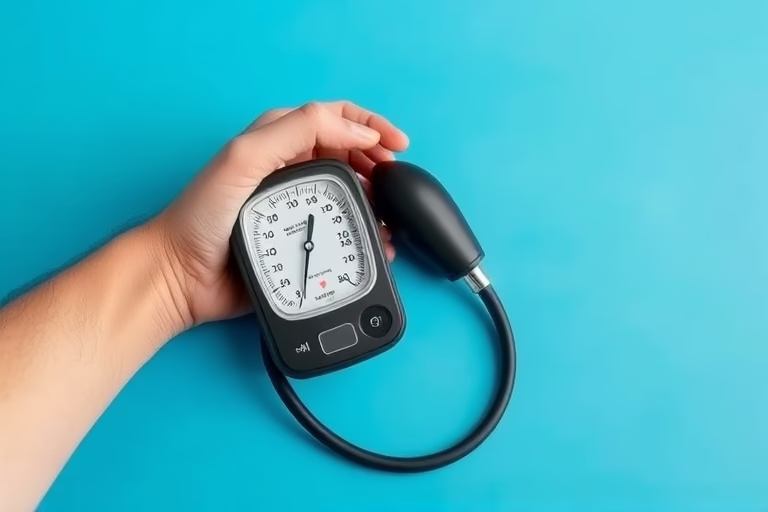
We will be talking about can period increase blood pressure. Understanding the interplay between menstruation and blood pressure is crucial for women’s health. The menstrual cycle brings about various hormonal changes that can affect the body in several ways, including cardiovascular health. During the menstrual cycle, fluctuations in hormones like estrogen and progesterone can influence blood volume, vascular resistance, and salt retention, all of which can impact blood pressure levels. Some women may notice changes in their blood pressure readings during their periods, either experiencing elevated levels or decreased readings. This variation can depend on individual health conditions and other lifestyle factors. By exploring how menstruation can affect blood pressure, women can become more aware of their health and take necessary precautions.
Understanding Blood Pressure and Menstruation
Blood pressure (BP) is the force exerted by circulating blood against the walls of blood vessels. It is measured using two readings: systolic pressure (the pressure when the heart beats) and diastolic pressure (the pressure when the heart rests between beats). Menstruation, typically occurring on a 28-day cycle, involves complex hormonal changes that can influence blood pressure. Elevated blood pressure during this time may indicate changes in blood volume and vascular resistance, often tied to hormonal fluctuations.
Some women may find their BP rises before or during their period due to increased water retention, which can increase blood volume. Cramps and pain can also activate the sympathetic nervous system, potentially leading to acute increases in BP. On the contrary, some women experience lower blood pressure due to hormonal changes that promote vasodilation (widening of blood vessels) and a reduction in vascular resistance.
Hormonal Changes and Their Impact
The menstrual cycle is divided into phases: the follicular phase and the luteal phase, each governed by different hormone levels. Estrogen surges during the follicular phase, leading to vasodilation and potentially lower blood pressure. Conversely, in the luteal phase, progesterone rises, which may contribute to fluid retention and increased blood pressure in some individuals.
Fluid Retention and Pre-Menstrual Syndrome (PMS)
Fluid retention is common during the pre-menstrual phase due to hormonal fluctuations. This can lead to temporary spikes in blood pressure. Women experiencing severe PMS symptoms may also report increases in body weight and swollen ankles, often exacerbating perceived BP levels.
Stress and Blood Pressure during Menstruation
Menstruation can be a source of stress for many women, and stress is a well-known factor that raises blood pressure. When the body is stressed, it releases cortisol and adrenaline, which can constrict blood vessels and raise heart rate, leading to increased blood pressure. Managing stress through relaxation techniques can help manage BP during this time.
Dietary Influences on Blood Pressure
Nutrition plays a vital role in modulating blood pressure. During their cycles, women might crave salty or sweet foods, which can lead to increased fluid retention and elevated blood pressure. Maintaining a balanced diet rich in potassium, calcium, and magnesium can help mitigate these effects and encourage healthier BP readings.
Physical Activity and Heart Health
Regular exercise is essential in managing blood pressure. Physical activity not only helps combat the physical symptoms of menstruation but also plays a role in regulating cardiovascular health. Engaging in light to moderate exercise during the menstrual cycle may help lower blood pressure levels and alleviate PMS symptoms.
Monitoring Blood Pressure During Cycles
Women should consider monitoring their blood pressure regularly throughout their menstrual cycle to identify patterns. This can help track how hormonal changes impact individual blood pressure levels and inform health decisions.
When to Consult a Healthcare Provider
If fluctuations in blood pressure during menstruation are accompanied by severe symptoms, such as headaches, vision changes, or extreme fatigue, it is essential to consult a healthcare provider. Abnormal BP changes can be signs of underlying health issues that require intervention.
Connecting Menstrual Health to Overall Well-Being
Maintaining menstrual health is integral to overall well-being. Women should be aware of how their menstrual cycle may influence various health parameters, including blood pressure. Staying informed can lead to informed dietary, lifestyle, and healthcare choices.
Conclusion
In summary, the relationship between menstruation and blood pressure is multifaceted and influenced by a variety of factors including hormonal changes, fluid retention, stress, and nutrition. Understanding how these elements interact can empower women to manage their health proactively during their menstrual cycles. Women experiencing significant changes in blood pressure or symptoms such as extreme fatigue, headaches, or visual disturbances should consult a healthcare provider for tailored advice and care. By monitoring BP throughout the cycle, adopting a balanced diet, engaging in regular exercise, and managing stress, women can maintain healthier blood pressure levels and overall well-being.
Frequently Asked Questions
1. Can my period increase blood pressure?
Yes, hormonal changes during the menstrual cycle can affect blood pressure, potentially causing temporary increases due to factors like fluid retention and stress.
2. How does PMS affect blood pressure?
PMS can lead to fluid retention and increased stress, both of which may contribute to elevated blood pressure in some women.
3. When should I check my blood pressure during my cycle?
It can be beneficial to monitor your blood pressure regularly throughout your cycle to understand how it fluctuates with hormonal changes.
4. Should I consult a doctor if my blood pressure changes during my period?
If you experience significant changes in BP or accompanying severe symptoms, consult a healthcare provider for guidance.
5. How can I manage blood pressure during my period?
Adopting a healthy diet, engaging in regular physical activity, and managing stress can help maintain balanced blood pressure levels during menstruation.
Further Reading
What Type of Psychotherapy Is Best for Anxiety?