





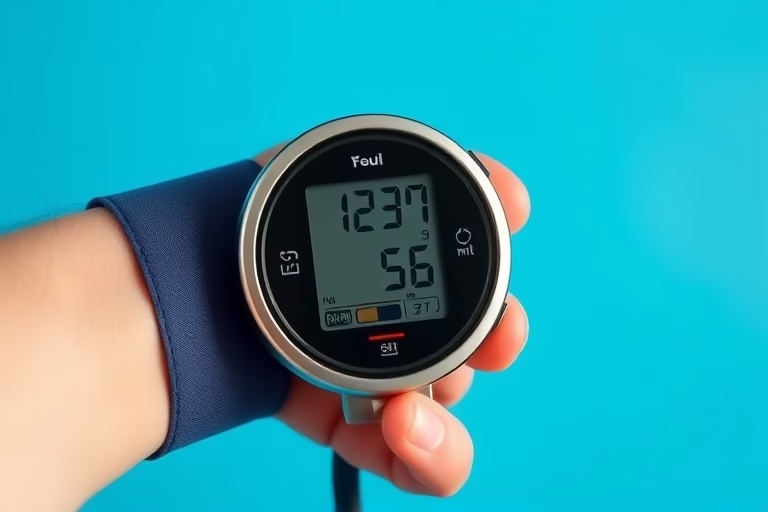
In this article, we will be talking about can Pixel Watch measure blood pressure. As wearable technology continues to evolve, devices like the Pixel Watch have emerged as potential game-changers in personal health monitoring. Blood pressure monitoring is a critical aspect of health management, as high blood pressure often goes unnoticed without proper tracking. Understanding whether a device like the Pixel Watch can measure blood pressure can empower users to make informed decisions about their health and wellness. In the following sections, we will explore its functionalities, limitations, and the implications of using such devices for blood pressure monitoring.
What is Blood Pressure Monitoring?
Blood pressure is the force that circulating blood exerts against the walls of blood vessels. It is critical for determining cardiovascular health. Monitoring blood pressure can help identify potential health issues early on, allowing for timely intervention. Traditional monitoring involves sphygmomanometers, but advancements in technology have led to the development of smartwatches that claim to monitor blood pressure. This shift emphasizes convenience and continuous monitoring, aiming to enhance health management for users.
How Does the Pixel Watch Measure Vital Signs?
The Pixel Watch employs a range of sensors and algorithms to track health metrics. Utilizing optical sensors, it measures heart rate, activity levels, and sleep patterns. However, understanding whether these capabilities extend to measuring blood pressure is essential. Currently, the Pixel Watch does not directly measure blood pressure. Instead, it uses a method of estimating blood pressure based on heart rate variability and other parameters. Integrations with apps may further enhance this functionality.
Comparison with Other Wearable Devices
When discussing whether the Pixel Watch can measure blood pressure, it’s also important to consider how it compares to other wearable devices. Various smartwatches on the market, such as those from Apple and Samsung, have developed blood pressure monitoring features. These capabilities might include automated measurements and integrations with health applications. Evaluating these differences can help users find a device that best suits their needs, particularly when blood pressure monitoring is a high priority.
Understanding Blood Pressure Readings
Blood pressure readings are expressed in millimeters of mercury (mmHg) and consist of two numbers: systolic (the pressure during beats) and diastolic (the pressure between beats). High blood pressure, or hypertension, is classified as a reading above 130/80 mmHg. Continuous tracking can be invaluable for individuals at risk for cardiovascular diseases. Understanding how to interpret these readings is crucial to employing effective health monitoring strategies.
The Importance of Continuous Monitoring
Continuous health monitoring can lead to early detection of irregularities in blood pressure. This is especially important for individuals with a family history of hypertension or heart disease. The Pixel Watch may support this comprehensive approach through actionable insights derived from its other health monitoring features, allowing users to maintain awareness of their cardiovascular health status even without direct blood pressure measurements.
Limitations of Smartwatch Blood Pressure Monitoring
The ability to accurately measure blood pressure using a smartwatch like the Pixel Watch is limited. Factors such as body position, physical activity, and even the tightness of the band can contribute to inaccuracies. For individuals serious about monitoring their blood pressure, traditional methods may still be necessary for the most reliable results. Understanding these limitations helps users calibrate their expectations regarding smartwatch capabilities.
How to Use the Pixel Watch to Support Health Monitoring
While the Pixel Watch cannot directly measure blood pressure, it offers tools for tracking physical activity and heart rate—two indicators that can be related to potential changes in blood pressure. Users can set reminders for activity, track fitness goals, and keep logs of their health, which can be beneficial for understanding cardiovascular health over time. Integrating these features into a broader health strategy can contribute to lifelong wellness.
Integrating Pixel Watch Data with Health Apps
The Pixel Watch interacts with various health applications designed to aggregate data from different devices. By syncing health data from the watch with dedicated health management apps, users can analyze trends, set health goals, and monitor improvement over time. Seeing the entire picture through combined data can be beneficial in noticing patterns that might relate to blood pressure changes.
Users should explore compatible health apps designed for optimal use with the Pixel Watch, enhancing the overall monitoring experience.
Seeking Professional Advice for Blood Pressure Management
Ultimately, wearable devices serve as tools for health management but should not replace professional medical advice or routine health checkups. Individuals at risk for high blood pressure should consult with healthcare providers for personalized recommendations. Professionals can offer guidance on proper monitoring techniques, dietary adjustments, and medications that may be necessary for effective blood pressure management.
Conclusion: Understanding the Role of Pixel Watch in Blood Pressure Monitoring
In summary, the Pixel Watch offers a range of health monitoring features that support overall wellness, but its ability to directly measure blood pressure is limited. Users interested in tracking their blood pressure may benefit from understanding how the device’s other metrics correlate with cardiovascular health. Continuous monitoring through the Pixel Watch could serve as a supplementary approach to managing one’s health.
For individuals seriously concerned about blood pressure management, it’s advisable to use traditional monitoring alongside the insights gained from wearables. It’s essential to be educated about the limitations and functionalities of the Pixel Watch in this context. Personal health management is a comprehensive journey that involves integrating technology with professional healthcare guidance.
Frequently Asked Questions (FAQs)
- Can the Pixel Watch measure my blood pressure directly?
No, the Pixel Watch does not have the capability to measure blood pressure directly. It estimates health metrics using other data.
- What health parameters can the Pixel Watch measure?
The Pixel Watch can measure heart rate, activity levels, and sleep patterns among other health metrics.
- Are there better alternatives for blood pressure monitoring?
Yes, traditional blood pressure cuffs and specific smartwatches that offer direct measurement may be better options.
- How can I use the Pixel Watch for overall health monitoring?
Users can utilize activity tracking, heart rate monitoring, and sync data with health apps to assess overall wellness.
- Should I consult a doctor about my blood pressure?
Yes, if you are concerned about your blood pressure, it is important to consult a healthcare professional for personalized advice and management.
Further Reading
What Type of Psychotherapy Is Best for Anxiety?