





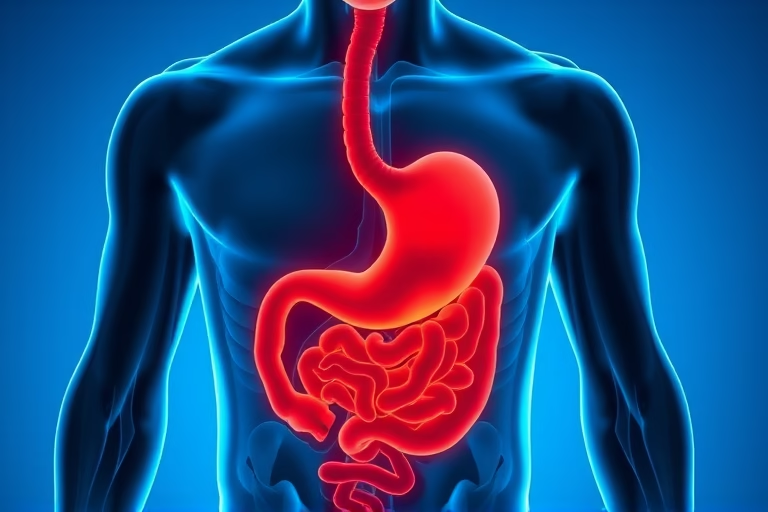
In this article, we will be addressing an important health-related question: can stomach inflammation cause high blood pressure? Stomach inflammation, medically known as gastritis, refers to the inflammation of the stomach lining. This condition can be caused by various factors, including infection, chronic use of certain medications, excessive alcohol consumption, and stress. It manifests through symptoms such as abdominal pain, bloating, nausea, and indigestion. Many people may not realize how interconnected our bodily systems are. While high blood pressure, or hypertension, is often viewed as a standalone condition influenced by factors like diet and lifestyle, emerging research suggests that digestive health can also play a significant role in cardiovascular issues. Understanding this connection is vital for appropriately managing both stomach inflammation and blood pressure levels. This article will delve into the relationship between gastritis and hypertension, exploring causes, symptoms, management strategies, and more.
Understanding Stomach Inflammation
Stomach inflammation, or gastritis, is a condition characterized by the swelling of the lining of the stomach. It can be acute, appearing suddenly and lasting for a short time, or chronic, developing gradually, sometimes over many years. The lining protects the stomach from digestive acids, and when it becomes inflamed, it can lead to various digestive problems. Common causes include infections, especially Helicobacter pylori, autoimmune disorders, excessive alcohol intake, prolonged NSAID use, and stress. Symptoms can range from mild discomfort to severe pain, bloating, and even gastrointestinal bleeding in extreme cases. The relationship between this condition and high blood pressure is an area of research focus, suggesting that inflammation can indeed have systemic effects on vascular health.
The Connection Between Stomach and Blood Pressure
Recent studies have indicated a link between stomach inflammation and high blood pressure. Chronic inflammation can lead to vascular inflammation, which may contribute to the development of hypertension. Inflammation can disturb normal blood flow, leading to increased arterial stiffness and, consequently, higher blood pressure. Moreover, the gut microbiome, influenced by diets causing inflammation, can affect blood pressure regulation. This connection underscores the importance of addressing gastrointestinal health for overall cardiovascular wellness.
Symptoms of Stomach Inflammation
Gastritis manifests various symptoms that can significantly impact the quality of life. Recognizing these symptoms early enables prompt medical intervention. Common signs include pain or discomfort in the abdomen, a feeling of fullness, nausea, vomiting, and indigestion. Some individuals experience increased belching or loss of appetite. Chronic gastritis may lead to more severe symptoms, including severe abdominal pain or gastrointestinal bleeding, which can be harmful. The experience of chronic gastrointestinal issues often leads to stress and anxiety, which further complicates blood pressure management.
Causes of Stomach Inflammation
The causes of stomach inflammation can vary, but they often stem from lifestyle choices and genetic factors. Frequent consumption of alcohol can irritate the stomach lining, leading to gastritis. Chronic use of anti-inflammatory medications such as NSAIDs can also damage the stomach lining. Additionally, bacterial infections like Helicobacter pylori play a pivotal role in gastritis development. Moreover, untreated stress can trigger gastritis flare-ups, introducing a psychosomatic aspect where emotional or psychological stressors also affect physical health.
Role of Diet in Stomach Inflammation
Diet profoundly affects digestive health. Foods that are spicy, acidic, or high in fat can exacerbate stomach inflammation. A diet rich in fiber, whole grains, lean proteins, and antioxidants can help reduce inflammation. Probiotics, found in yogurt and fermented foods, can also improve gut health and potentially lower blood pressure. Therefore, modifying one’s dietary habits can be a practical approach to managing both gastritis and hypertension.
Managing Stomach Inflammation
Effectively managing stomach inflammation often involves a multi-faceted approach. Medical interventions may include medications to reduce stomach acid, kill infections, or protect the stomach lining. Dietary changes and lifestyle adjustments are essential in alleviating symptoms. Motivating behavioral changes, such as quitting smoking and reducing alcohol consumption, can significantly impact stomach health. Moreover, stress management techniques, such as mindfulness and relaxation exercises, may have profound effects on both digestive and cardiovascular health.
Complications of Untreated Stomach Inflammation
Ignoring the symptoms of stomach inflammation can lead to serious complications. Chronic gastritis may result in ulcers, bleeding, or even stomach cancer if left untreated. Additionally, the impact on blood pressure is noteworthy; uncontrolled gastritis-related inflammation may accelerate the conditions leading to hypertension. Hence, ongoing medical care and lifestyle adjustments are crucial to mitigating risks associated with untreated gastritis.
When to Seek Medical Attention
Individuals experiencing persistent abdominal pain that does not improve with over-the-counter medication, significant weight loss, or symptoms of gastrointestinal bleeding should seek medical attention immediately. Early diagnosis and treatment are critical to preventing further complications. Health providers can conduct necessary tests, like endoscopy or imaging, to correctly diagnose the condition and recommend appropriate treatment.
Preventative Measures for Stomach Inflammation
Prevention is always better than cure, especially concerning stomach health. This can be achieved through a balanced diet rich in fiber and low in processed foods, which can help maintain a healthy gut. Regular exercise, maintaining a healthy weight, and managing stress through mindfulness practices can also contribute to reducing stomach inflammation. Avoiding excessive alcohol and smoking can significantly decrease the risk of gastritis and its associated complications.
Conclusion
In conclusion, the relationship between stomach inflammation and high blood pressure is complex yet crucial to understanding. Chronic stomach inflammation can lead to vascular issues that may result in higher blood pressure levels. By managing gastritis effectively through dietary changes, lifestyle adjustments, and medical treatment, individuals can potentially reduce their risk of developing hypertension. Awareness of symptoms, causes, and preventive measures allows for proactive management of both conditions. Given the intricate connections within our body systems, addressing one health issue may positively impact others, thereby improving overall wellness. Maintaining a healthy lifestyle, focusing on digestive well-being, and seeking medical help when necessary can help manage both stomach inflammation and hypertension more efficiently.
Frequently Asked Questions
- Can stress contribute to stomach inflammation?
Yes, stress can exacerbate stomach inflammation and may trigger symptoms of gastritis. - What dietary practices can help reduce stomach inflammation?
A diet rich in fiber, low in spicy and acidic foods, and high in antioxidants can help manage stomach inflammation. - How is high blood pressure related to stomach problems?
Chronic inflammation from stomach issues can lead to increased arterial stiffness, resulting in higher blood pressure. - When should I see a doctor for stomach inflammation?
If you experience severe or persistent symptoms or gastrointestinal bleeding, it is essential to seek medical attention. - What are the common treatments for gastritis?
Treatments for gastritis often include medications to reduce acid, dietary changes, and lifestyle modifications.
Further Reading
What Type of Psychotherapy Is Best for Anxiety?