Understanding Implantation Bleeding
Many women experience a variety of symptoms and signs during their menstrual cycle, which can often lead to confusion, especially when it comes to determining pregnancy. One significant event is known as implantation bleeding. This light spotting is a result of a fertilized egg embedding itself into the uterine lining, typically occurring about six to 12 days after conception. The moments surrounding this stage can spark numerous questions, particularly for those who are trying to conceive.
The presence of implantation bleeding might prompt a woman to wonder, can you take a pregnancy test right after implantation bleeding? This question has gained attention due to the excitement and anticipation of early pregnancy detection. The timing of a pregnancy test after implantation can play a crucial role in achieving accurate results. Understanding the nuances around this topic is vital for those eager to confirm a pregnancy, learn about their bodies, and navigate the myriad of emotions associated with such a momentous occasion.
What is a Pregnancy Test?
A pregnancy test is designed to detect the presence of the hormone human chorionic gonadotropin (hCG) in a woman’s urine or blood. This hormone is produced when a fertilized egg attaches to the uterine lining, which means that a positive result usually indicates pregnancy.
When the question arises regarding timing, it is important to realize that the hormone hCG does not immediately become detectable after conception. It takes time for levels to rise adequately following implantation, which directly influences the accuracy of any pregnancy test. If taken too soon, the test may yield false negatives, leading to potential disappointment.
Experts recommend waiting until a missed period for the most accurate result. However, some tests are sensitive enough to detect hCG a few days before a missed period. Being aware of the timing between implantation bleeding and hCG production assists in understanding when to administer the test.
Significance of Implantation Timing
The timing of implantation is crucial as it directly correlates with when a pregnancy test can be taken. Implantation usually occurs between six to 12 days post-ovulation. After this process, it takes additional time for hCG to build up in the bloodstream. Understanding this timeline can help manage expectations regarding test results.
For those eager for answers, patience is essential. While it may be tempting to take a test immediately after noticing implantation bleeding, this might not yield reliable results. It is important to wait at least three to four days post-bleeding for the best chance of an accurate reading.
When to Take a Pregnancy Test
The optimal time to take a pregnancy test significantly impacts the accuracy of results. After implantation bleeding, waiting for at least three to four days allows for hCG levels to rise adequately, increasing the likelihood of an accurate result.
For early detection enthusiasts, some pregnancy tests claim to be sensitive enough for use several days before a missed period. However, depending solely on these tests can sometimes lead to disappointment. The safest recommendation is to wait until the first day of a missed period for the most reliable outcome.
Additionally, understanding individual cycles is beneficial. If a cycle is irregular, tracking ovulation can become more challenging, complicating the timing of testing. Various methods—such as ovulation predictor kits or charting temperatures—can assist in pinpointing ovulation and therefore, when to expect implantation bleeding.
Understanding the Symptoms of Pregnancy
While timing and methods for testing are crucial, recognizing early signs of pregnancy can enhance awareness and preparedness. Early symptoms may include:
- Missed period
- Breast tenderness or swelling
- Fatigue
- Nausea or morning sickness
- Frequent urination
These signs can occur as soon as a week post-implantation, indicating further that it is wise to wait for definitive testing. However, some symptoms may also be related to pre-menstrual syndrome (PMS), implying that one should approach this process with mindfulness and attention to detail.
Understanding False Negatives
False negatives occur when a pregnancy test returns a negative result despite the presence of pregnancy. This situation can particularly arise if tests are taken too early after implantation bleeding.
Reasons for false negatives include:
- Testing too soon
- Not following test instructions correctly
- Low levels of hCG
For women experiencing symptoms or uncertainty, the best course of action is to wait a few days after a missed period or retest a few days later if the initial test is negative. Although the anticipation can be overwhelming, patience often pays off for accurate results.
The Role of Sensitive Pregnancy Tests
Many modern pregnancy tests boast increased sensitivity, allowing them to detect lower levels of hCG. Understanding how these tests work can help women decide when to take them and what level of accuracy to expect.
Typically, sensitive tests can give reliable results around four days before a missed period. However, not all tests are created equal. Some might state that they can deliver results early, but users should check the labels for specific sensitivity claims.
Reading reviews and research about different brands can also help, ensuring women choose tests known for their reliability and accuracy.
How to Read a Pregnancy Test
Reading a pregnancy test clearly and accurately is essential for determining the results. Most tests utilize lines to indicate results, and it is vital to become familiar with the specific test brand used.
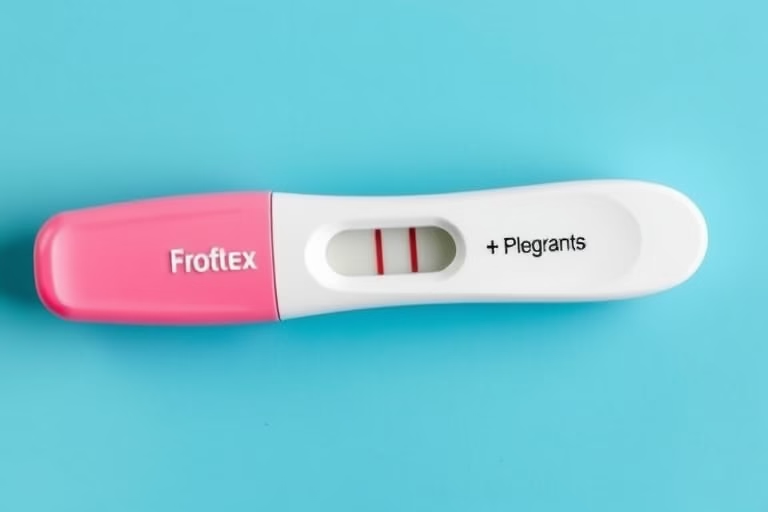
Generally, a positive result will show two lines, whereas a negative result will show one line. Some tests may also provide digital readouts. It is important to follow the outlined instructions specific to the chosen test thoroughly.
Timing is also important when reading results. Some tests develop over a few minutes. Checking results before the designated time can lead to confusion. Accurately interpreting results can significantly affect the next steps in one’s pregnancy journey.
Final Thoughts
The journey through understanding pregnancy testing after implantation bleeding can be both emotional and crucial for those trying to conceive. The timing surrounding implantation and pregnancy tests is vital for acquiring accurate results. Women should be informed about their cycle, understand their bodies, and recognize both symptoms of pregnancy and potential testing pitfalls.
Ultimately, patience is key. While it might be tempting to seek quick answers immediately after noticing implantation bleeding, allowing enough time for hCG levels to build can save heartache associated with false results. Consulting a healthcare professional for tailored guidance and support during this time is always beneficial.
Frequently Asked Questions
- Can I take a pregnancy test immediately after implantation bleeding? No, it’s recommended to wait at least three to four days after implantation bleeding for the best results.
- What are the signs of implantation bleeding? Signs may include light spotting, mild cramping, and should be shorter in duration compared to a normal period.
- How soon after conception can I test for pregnancy? Most tests can be effective a few days before a missed period, but testing too early can lead to false negatives.
- What should I do if I get a negative pregnancy test after missed period? If symptoms persist, retesting after a few days or consulting a healthcare provider may be wise.
- Are all pregnancy tests equally sensitive? No, tests differ in sensitivity, so it’s essential to choose a reliable brand for early testing.
Further Reading
What Type of Psychotherapy Is Best for Anxiety?