





Understanding Implantation Bleeding
Implantation bleeding is a term used to describe light spotting that can occur when a fertilized egg attaches itself to the uterine lining. This process usually happens about six to twelve days after conception, coinciding with the time some women might expect their menstrual period. While this light bleeding is generally a sign of pregnancy, it can also lead to confusion when a woman might be considering a pregnancy test.
Many wonder if they can take a pregnancy test after experiencing implantation bleeding. The answer depends on several factors, including when the test detects the pregnancy hormone hCG in the body. It is important to understand the timing and signs of pregnancy to make a more informed decision.
What is a Pregnancy Test?
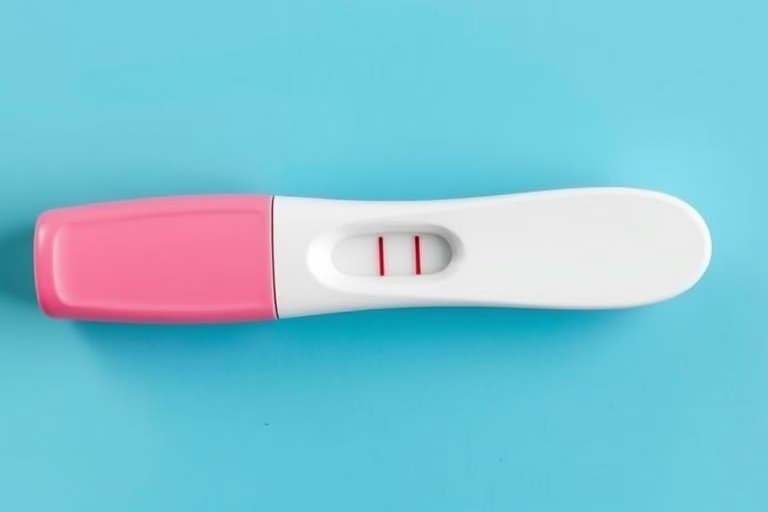
A pregnancy test is a medical test used to determine if a woman is pregnant. It does this by detecting the presence of the hormone human chorionic gonadotropin (hCG) in urine or blood. After implantation, the body starts producing hCG, which can be found in pregnancy tests as early as a few days after implantation bleeding has occurred.
Urine pregnancy tests are widely available and generally easy to use, while blood tests are conducted in a doctor’s office and can provide more sensitive results. Understanding the types of tests and when to use them is crucial to accurately determining pregnancy status.
Timing After Implantation Bleeding
The timing of taking a pregnancy test after experiencing implantation bleeding is essential for accurate results. Typically, it is recommended to wait a few days after the bleeding has occurred to ensure that hCG levels have risen sufficiently. Most pregnancy tests are designed to be used on the first day of a missed period, occurring about 14 days after ovulation and fertilization.
This means that if implantation bleeding occurs, it’s often best to wait about five to seven days before taking a pregnancy test to improve accuracy. However, every woman’s body is different, and some may prefer to test earlier if they suspect pregnancy.
Symptoms of Pregnancy
Recognizing the symptoms of pregnancy can help women understand whether they should take a pregnancy test after experiencing implantation bleeding. Common early pregnancy symptoms include:
These symptoms often develop before a missed period and can indicate early pregnancy. It is essential to keep in mind that every woman’s experience is unique; some may experience all or only a few of these symptoms.
How Accurate Are Home Pregnancy Tests?
Home pregnancy tests can be highly accurate, with most claiming upwards of 99 percent accuracy when used correctly. However, their reliability can be affected by factors such as the timing of the test and the concentration of hCG in urine. Testing too early can lead to false negatives, as hCG levels may not yet be high enough to detect.
To increase the accuracy of home tests:
Understanding how and when to use these tests can improve results and help with the decision-making process.
What to Do If You Get a Positive Test?
If a pregnancy test returns a positive result, it is advisable to schedule a visit to a healthcare provider for confirmation. Blood tests can validate the findings of a home pregnancy test and establish hCG levels, offering insight into how far along a pregnancy might be.
A healthcare provider can also provide necessary information on prenatal care, dietary changes, and other essential factors to ensure a healthy pregnancy. Women should take a positive result seriously and consider their next steps moving forward.
What to Do If You Get a Negative Test?
If a pregnancy test shows a negative result but you still suspect pregnancy, it might be wise to repeat the test a few days later. Ensure that it is taken with the first morning urine for optimal accuracy. If still negative and other symptoms persist, consulting a healthcare provider is advisable to explore further options.
Negative tests can also occur due to irregular cycles, hormonal imbalances, or other health issues. Seeking medical advice can provide clarity on these cases.
Importance of Understanding Your Cycle
Understanding your menstrual cycle is key for a woman who is trying to conceive or track her pregnancy status. Knowing the typical length of your cycle can help in identifying ovulation timing and period dates, allowing more accurate predictions of when to take a pregnancy test.
Utilizing apps or journals to keep track of menstrual patterns and symptoms can be beneficial. This knowledge can help women recognize the signs of pregnancy sooner, including when implantation bleeding may occur and when to test.
Final Thoughts
In summary, understanding whether you can take a pregnancy test after experiencing implantation bleeding is a crucial part of navigating the early stages of pregnancy. With this descriptive information, it is important to remember that timing is key. Waiting a few days after implantation bleeding before testing is generally the best approach for accurate results. Recognizing the symptoms of pregnancy can also aid in decision-making.
Home pregnancy tests can provide quick and effective results, but knowing how to use them properly and recognizing their limitations will ensure a better understanding of one’s pregnancy status. Whether the result is positive or negative, taking the next step includes consulting with healthcare professionals for guidance.
By understanding your body and cycles, you can empower yourself with knowledge regarding pregnancy tests and implantation bleeding.
Frequently Asked Questions
- How soon after having implantation bleeding can I take a pregnancy test? It is usually recommended to wait about five to seven days after experiencing implantation bleeding for the most accurate results.
- What does implantation bleeding look like? Implantation bleeding is typically lighter and shorter than a menstrual period and may vary in color from pink to brown.
- Can I be pregnant if I had implantation bleeding but a negative test? Yes, if you suspect pregnancy despite a negative test, it may be worth testing again a few days later or consulting with a healthcare provider.
- How accurate are home pregnancy tests after implantation bleeding? Home pregnancy tests are typically over 99 percent accurate when used correctly, especially when taken after a missed period.
- What should I do if I experience heavy bleeding after suspected implantation bleeding? If you experience heavy bleeding or any severe pain, it is essential to consult with a healthcare provider to rule out any complications.
Further Reading
What Type of Psychotherapy Is Best for Anxiety?