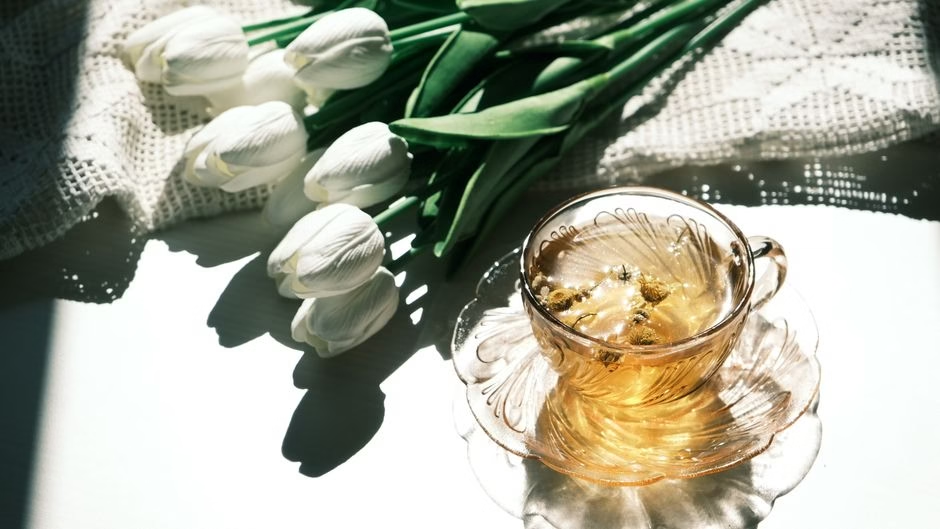
For centuries, the humble chamomile flower has been a staple in kitchen cupboards across the globe. Often associated with cozy evenings and quiet moments, chamomile is much more than just a soothing beverage. As we look at the intersection of traditional wisdom and modern science, we find that this daisy-like plant has earned its reputation as a cornerstone of gentle wellness. While no single tea can replace professional medical care, understanding the potential benefits of chamomile can help you make informed decisions about your daily habits.
The Science Behind the Steam
Chamomile, derived from the dried flowers of the Matricaria recutita plant, contains a variety of bioactive compounds. The most notable among these is apigenin, an antioxidant that binds to specific receptors in the brain. This interaction is thought to be the primary reason why so many people feel a sense of calm after sipping a warm cup. Unlike some stimulants or harsh supplements, chamomile provides a subtle influence that aligns well with a holistic approach to wellness.
When we discuss Herbal Remedies, it is important to remember that they are best viewed as supportive tools rather than panaceas. The research into chamomile is encouraging, particularly regarding its mild sedative effects and its potential to soothe the digestive tract. By incorporating this tea into your routine, you are engaging in a time-honored practice that many find beneficial for minor, everyday discomforts.
Supporting Sleep and Relaxation
Perhaps the most well-known association with chamomile is its role in promoting better sleep. In our fast-paced modern world, effective Stress Management is essential for long-term health. Many studies have explored how chamomile extract might help reduce the time it takes to fall asleep and improve overall sleep quality. While it is not a heavy-duty sedative, its ability to help the body transition from the busyness of the day to a state of rest makes it a popular choice for an evening wind-down ritual.
Establishing a pre-sleep routine is a foundational element of good sleep hygiene. By swapping out caffeinated beverages for a cup of chamomile tea, you signal to your body that the day is coming to a close. This simple, caffeine-free habit is a gentle way to support your nervous system. If you find that your sleep difficulties are persistent or severe, it is always a good idea to speak with a healthcare professional to rule out underlying issues.
Chamomile and Digestive Comfort
The digestive system is often referred to as the second brain, and it is highly sensitive to our emotional states and dietary choices. Chamomile has been used traditionally to ease symptoms of indigestion, gas, and bloating. The herb is thought to have antispasmodic properties, which may help relax the smooth muscles of the intestines, allowing for more comfortable digestion.
Integrating chamomile into your Nutrition & Diet plan can be as simple as having a cup after a large meal. Because it is naturally caffeine-free and gentle on the stomach, it is a versatile choice for most adults. It is important to note that while it can help with occasional, mild digestive upset, chronic stomach issues should be evaluated by a doctor. Never ignore persistent abdominal pain, as it may require medical intervention beyond simple dietary adjustments.
A Focus on Mental Health and Emotional Well-being
The relationship between physical relaxation and mental clarity is profound. While we often think of chamomile only for physical ailments, its role in supporting Mental Health is becoming a subject of increased interest. By helping to lower the physiological markers of stress, chamomile may provide a small, yet meaningful, buffer during challenging times. It is not a replacement for therapy or medication, but as part of a comprehensive self-care strategy, it can offer a moment of mindfulness in an otherwise chaotic day.
When you sit down with a warm cup of tea, you are essentially practicing a form of sensory grounding. The warmth of the mug, the floral aroma, and the act of sipping slowly all contribute to a feeling of safety and comfort. This is a form of active relaxation that can be easily integrated into any schedule, regardless of how busy you may be.
Important Safety Considerations
While chamomile is generally recognized as safe for most people, it is not entirely without risks. It is a member of the Asteraceae family, which includes daisies, ragweed, and marigolds. If you have known allergies to these types of plants, you should approach chamomile with caution, as it may trigger an allergic reaction. Furthermore, because herbal teas can interact with certain medications—particularly blood thinners or sedatives—it is vital to disclose your use of herbal products to your primary care physician.
Pregnant and nursing individuals should also consult with their obstetrician or midwife before introducing herbal teas into their daily routine. While chamomile is often seen as harmless, individual health needs vary significantly. Always prioritize transparency with your healthcare team to ensure that your wellness practices are safe and appropriate for your specific health history.
Creating a Consistent Routine
The benefits of chamomile are most likely to be felt when it is used consistently rather than sporadically. Think of it as a low-intensity, high-consistency habit. Whether you enjoy it plain or with a small amount of honey, the goal is to make it a pleasant part of your day rather than a chore. Consistency is a hallmark of healthy living; just as you would approach physical activity or balanced eating with regularity, your herbal tea practice will yield the most satisfaction when it becomes a natural part of your lifestyle.
Consider pairing your tea with other low-impact relaxation techniques. For instance, reading a book, listening to soft music, or practicing gentle stretching can amplify the calming effects of the tea. Creating a “tea hour” where you step away from screens and digital devices can help you reclaim your time and lower your cortisol levels, supporting your body’s natural ability to recover from the stresses of daily life.
Quality Matters
Not all chamomile products are created equal. When purchasing tea, look for high-quality, whole-flower options whenever possible. Often, tea bags contain smaller, broken particles that may lose their potency more quickly. Whole, dried flowers allow for a more robust infusion, capturing more of the essential oils that give chamomile its characteristic scent and flavor. Proper storage—keeping the tea in a cool, dark, and dry place—will also help maintain its freshness and efficacy over time.
If you prefer to buy in bulk, ensure you are sourcing from reputable suppliers who prioritize purity and quality control. This is especially important for those who rely on herbal remedies for consistent health support. Taking the time to select a good product is an investment in your own well-being.
Embracing a Holistic Perspective
Ultimately, the power of chamomile tea lies in its simplicity. It is an invitation to pause, breathe, and nourish yourself. When used as part of a broader health strategy—one that includes adequate sleep, nourishing food, and movement—it acts as a supportive companion. Remember that wellness is not about finding the perfect supplement or the “magic” tea; it is about building a collection of small, positive habits that serve you well over the long term.
If you are feeling overwhelmed by your health or have specific concerns about your body, please do not hesitate to reach out to a qualified medical professional. They can provide personalized advice that takes into account your full health profile, including any underlying conditions or medications you may be taking. In the meantime, enjoy the quiet comfort that a simple cup of chamomile can provide. It is a gentle, evidence-supported way to honor your body’s need for rest and rejuvenation.
Final Thoughts on Everyday Wellness
As you move forward, keep in mind that the best wellness practices are those that you actually enjoy and can sustain. If you find that chamomile is not to your taste, there are many other herbal options available that may offer similar benefits. The key is to listen to your body and honor what it needs. By making space for small, restorative rituals, you are taking an active role in your own health journey. Let your cup of tea be a reminder that your well-being is a priority, and that even the smallest actions, when repeated with intention, can lead to a more balanced and peaceful life.
Impact on Glycemic Control and Metabolic Health
Emerging research suggests that chamomile tea may play a supportive role in managing blood sugar levels, particularly for individuals at risk of metabolic syndrome. Studies indicate that the antioxidants found in chamomile, specifically quercetin and apigenin, can help inhibit enzymes like aldose reductase, which are associated with long-term complications of diabetes. By consuming the tea regularly, individuals may experience a modest reduction in post-meal glucose spikes, making it a potentially beneficial, non-pharmacological adjunct to a balanced diet.
Potential Anti-Inflammatory Effects on Digestive Comfort
Beyond its well-known calming effects on the nervous system, chamomile possesses potent antispasmodic properties that target the smooth muscles of the digestive tract. Scientific literature highlights its efficacy in soothing gastrointestinal inflammation, which can provide relief for conditions such as mild gastritis, indigestion, and trapped gas. The herb works by relaxing the intestinal lining, which helps to alleviate cramping and discomfort without the side effects often associated with synthetic digestive aids.
This article is for general educational purposes and is not a substitute for professional medical advice. Always consult a qualified healthcare provider about your individual health needs.