Why Produce Hygiene Matters
When you bring home a basket of fresh, colorful produce from the grocery store or a local farmers’ market, you are making a fantastic choice for your overall wellness. Incorporating plenty of fruits and vegetables into your daily routine is a cornerstone of good Nutrition & Diet. However, before those ingredients make it into your favorite Healthy Recipes, they need a little attention. Even if produce looks clean, it has traveled a long way, passing through various hands, fields, and transportation vehicles. Proper washing is a fundamental part of home Hygiene & Sanitation that helps remove surface dirt, bacteria, and residual pesticides, ensuring that your healthy choices remain truly beneficial.
It is important to approach this topic with a balanced perspective. You do not need to be fearful of your food, but adopting a consistent, gentle cleaning routine is a smart habit to build. By taking a few extra moments to rinse and scrub your produce, you create a safer environment for yourself and your family. If you ever have specific concerns about foodborne illness or individual health sensitivities, it is always a good idea to consult with a doctor or a qualified healthcare professional, as they can provide guidance tailored to your specific needs.
The Golden Rule: Start with Clean Hands
Before you even touch your produce, you need to prepare your workspace. The most important step in any kitchen cleaning process is starting with your own hands. Wash your hands thoroughly with warm water and soap for at least 20 seconds before handling raw fruits and vegetables. This prevents the transfer of germs from your hands to your food. Similarly, make sure your cutting boards, knives, and countertops are clean. A clean kitchen environment is the best foundation for safe food preparation.
How to Wash Different Types of Produce
Not all fruits and vegetables are created equal when it comes to cleaning. Their textures, skins, and growth patterns require slightly different approaches. The goal is always to remove surface debris without damaging the integrity of the food.
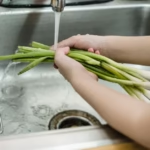
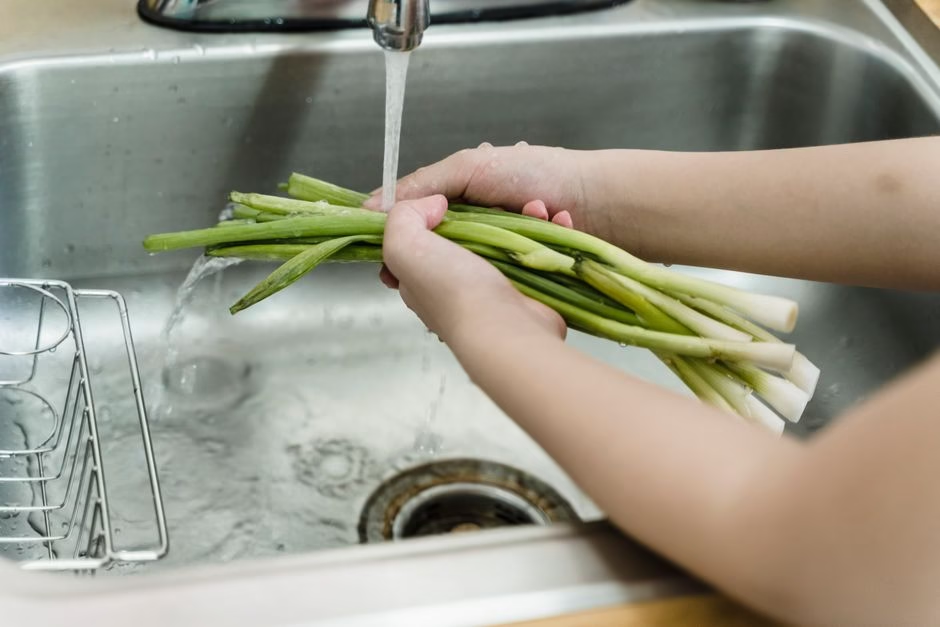
For firm produce like apples, pears, cucumbers, and carrots, a gentle scrub is your best friend. Use a clean vegetable brush to lightly scrub the surface under running water. This mechanical action is very effective at loosening dirt and bacteria that might be trapped in tiny crevices or on the skin. You do not need harsh chemicals or specialized soaps; plain, cool, running tap water is the gold standard for cleaning produce.
For softer items like berries, grapes, and peaches, a gentle touch is required. These fruits are delicate and can bruise easily. Place them in a colander and rinse them under a steady, gentle stream of cool water. Use your fingers to lightly rotate them so the water hits all sides. Avoid soaking soft berries for long periods, as they can absorb water and become mushy, which reduces their quality. Instead, wash them just before you are ready to eat them to keep them fresh for as long as possible.
Leafy greens, such as lettuce, spinach, and kale, require a bit more care. The best way to clean greens is to submerge them in a large bowl of cold, clean water. Swish the leaves around gently, allowing the dirt to settle at the bottom of the bowl. Lift the greens out of the water, leaving the grit behind, and repeat the process if you see any remaining soil. Finally, give them a quick rinse under running water and dry them thoroughly using a salad spinner or clean paper towels.
Should You Use Soap or Commercial Washes?
You may have seen advertisements for specialized produce washes or felt tempted to use dish soap to get your vegetables “extra clean.” Experts generally advise against this. Fruits and vegetables are porous; they can absorb small amounts of the soap or detergent through their skins. Because these products are not intended for human consumption, they can cause digestive upset. Stick to plain, cool running water. It is safe, effective, and free of unnecessary additives. If you feel like your produce needs a little extra help, a mixture of three parts water to one part white vinegar is sometimes used, but even then, a thorough rinse with plain water is the most vital step.
Handling Pre-Washed Greens
Many of us enjoy the convenience of bagged salads or pre-washed greens. Labels that say “triple-washed” or “ready-to-eat” usually mean the produce has been processed in a facility with strict sanitation standards. In these cases, re-washing is often unnecessary and can sometimes increase the risk of cross-contamination if your own kitchen tools are not perfectly clean. If you choose to wash them anyway, be very careful to use a clean colander and ensure your sink is sanitized first. For most people, consuming these products straight from the bag is perfectly safe according to current food safety guidelines.
The Importance of Proper Storage
Cleaning is only half the battle; how you store your produce also plays a role in safety and quality. Always keep your fresh fruits and vegetables separate from raw meat, poultry, and seafood in your refrigerator. This simple step prevents cross-contamination, where bacteria from raw proteins can move onto your fresh produce. Using dedicated produce drawers and keeping your refrigerator temperature set at or below 40°F (4°C) helps inhibit the growth of bacteria.
Furthermore, try to store produce in a way that allows air circulation. Many vegetables, like root vegetables, prefer cool, dark, and dry places, while others, like leafy greens, thrive in the crisper drawer of your fridge. By maintaining a clean and organized refrigerator, you contribute to a healthy home environment that supports your overall wellness goals.
Beyond Washing: A Holistic View of Wellness
While food safety is a critical component of hygiene, it is just one piece of the puzzle. When you feel confident in how you handle your food, you can focus more on the joy of eating. Remember that wellness is multidimensional. Along with mindful nutrition, finding time for regular Exercise & Fitness, practicing Stress Management, and nurturing your Mental Health are all essential parts of a balanced life. When you take the time to care for your food, you are practicing self-care, which is a powerful way to stay connected to your health journey.
If you have questions about specific dietary needs or concerns about potential food allergies, do not hesitate to reach out to a registered dietitian or your primary care physician. They can offer evidence-based advice that fits your lifestyle. Taking a proactive approach to your health, from the way you wash your vegetables to the way you manage your daily stressors, empowers you to live your best life.
Summary of Best Practices
To wrap things up, here is a quick checklist for your next trip to the store:
1. Always wash your hands for 20 seconds before starting food prep.
2. Use cool, running water for all fruits and vegetables.
3. Use a soft brush for firm produce to remove hidden dirt.
4. Be gentle with delicate items like berries to avoid bruising.
5. Submerge leafy greens in cold water to dislodge grit.
6. Avoid soap, bleach, or commercial detergents.
7. Keep raw meat away from your fresh produce during storage and prep.
8. If you are unsure about the safety of specific produce or have underlying health concerns, consult a medical professional.
By following these straightforward, science-based steps, you can feel confident that your kitchen is a safe and healthy space. There is no need for complicated gadgets or expensive cleaners. Nature provides the food, and simple, clean water does the heavy lifting. Enjoy the process of preparing your meals, savor the fresh flavors of your produce, and take pride in the simple, effective habits you have built to support your long-term health and wellbeing.
The Importance of Drying Before Storage
While washing removes surface contaminants, leaving produce wet creates a breeding ground for mold and bacteria, especially in the humid environment of your refrigerator. After rinsing, use a clean paper towel or a dedicated lint-free kitchen cloth to gently pat your fruits and vegetables completely dry. For delicate items like berries, spread them out in a single layer on a towel to air dry before placing them into a breathable storage container. Ensuring your produce is dry before putting it away will significantly extend its shelf life and prevent premature spoilage.
Handling Porous and Delicate Produce
Not all fruits and vegetables should be washed the same way, particularly those with porous skins or fragile structures. Soft-skinned items like strawberries, raspberries, and mushrooms act like sponges; soaking them can lead to mushy textures and rapid decay. Instead of submerging these, place them in a colander and give them a quick, light spray with cool water just before you are ready to eat them. For produce with thick, inedible rinds like melons or pineapples, it is vital to scrub the exterior thoroughly with a produce brush before cutting. If you slice into an unwashed rind, your knife will inevitably drag bacteria from the surface directly into the flesh of the fruit.
The Importance of Storage After Washing
While washing is essential, you should avoid rinsing your produce until just before you are ready to eat or cook it. Introducing moisture to fruits and vegetables before storing them in the refrigerator creates a humid environment that accelerates the growth of mold and bacteria, causing your food to spoil much faster. If you must wash items like berries or leafy greens in advance, ensure they are completely dry by using a salad spinner or patting them gently with a clean paper towel before placing them in a breathable container lined with a dry cloth.
Handling Delicate Produce vs. Hardy Items
Not all produce responds well to the same cleaning intensity, so it is important to tailor your technique to the texture of the item. Hard-skinned vegetables like potatoes, carrots, and melons can withstand a firm scrub with a clean vegetable brush, which effectively removes stubborn soil and surface contaminants. In contrast, delicate items such as raspberries, strawberries, and soft greens should never be scrubbed. Instead, place them in a colander and gently rinse them under a cool, steady stream of water, or submerge them briefly in a bowl of cold water and lift them out carefully to ensure any grit settles at the bottom rather than clinging to the fruit.
This article is for general educational purposes and is not a substitute for professional medical advice. Always consult a qualified healthcare provider about your individual health needs.