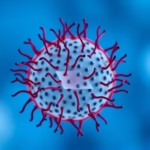
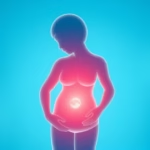
Today we will be talking about CVS yeast infection. A CVS yeast infection, commonly referred to as a vaginal yeast infection, is an overgrowth of the Candida fungus, which is naturally found in the body. When there is an imbalance in the body’s ecosystem—often due to factors such as antibiotics, hormonal changes, or a weakened immune system—this fungus can multiply, leading to uncomfortable symptoms such as itching, irritation, and discharge. Though it’s common, many people find the subject embarrassing or do not know how to properly address it. Understanding what causes a CVS yeast infection, its symptoms, treatments, and prevention methods is essential for maintaining good vaginal health.
Understanding the Causes of CVS Yeast Infections
The causes of CVS yeast infections can be attributed to several factors. The primary culprit is an overgrowth of the Candida fungus. This may occur due to various reasons such as antibiotics, which disrupt the natural bacterial flora in the body, allowing yeast to thrive. Additionally, hormonal changes associated with pregnancy, menstrual cycles, or the use of oral contraceptives can affect the balance of yeast and bacteria, leading to an increased risk. Other factors include a weakened immune system, diabetes, and the practice of wearing damp clothing for extended periods. By recognizing these causes, individuals can take proactive measures to minimize their risk of developing a yeast infection.
Recognizing Symptoms of CVS Yeast Infections
The symptoms of a CVS yeast infection can vary but often include symptoms like intense itching, burning sensations in the vaginal area, and thick, white discharge that resembles cottage cheese. Some individuals may also experience pain during intercourse or discomfort during urination. Identifying these symptoms early on can facilitate prompt treatment, minimizing discomfort and reducing the risk of more serious complications. It’s important to pay attention to any changes in the body and consult a healthcare provider if symptoms arise.
Diagnosing CVS Yeast Infections
Diagnosing a CVS yeast infection typically involves a physical examination and a review of medical history by a healthcare provider. They may perform a pelvic exam or send a sample of vaginal discharge to a laboratory for testing. Accurate diagnosis is crucial, as symptoms can mimic other conditions such as bacterial vaginosis or sexually transmitted infections. Understanding the diagnostic process helps individuals to take the necessary steps to seek help when they suspect an infection.
Treatment Options for CVS Yeast Infections
Treatment for a CVS yeast infection generally includes antifungal medications, which can be available over the counter or prescribed by a healthcare provider. Common over-the-counter options include clotrimazole and miconazole. For more severe cases or recurrent infections, prescription medications such as fluconazole may be necessary. Additionally, self-care strategies such as maintaining good hygiene, wearing breathable clothing, and avoiding irritants can help alleviate symptoms and prevent recurring infections.
Preventing CVS Yeast Infections
Preventing CVS yeast infections begins with understanding factors that can contribute to their development. Maintaining proper hygiene, wearing cotton underwear, and avoiding tight-fitting clothing can help keep the vaginal area dry and free from excess moisture that fosters yeast growth. Limiting sugar intake can also support overall body balance, as high sugar diets can promote yeast overgrowth. Other precautionary measures include avoiding unnecessary use of antibiotics and practicing safe sex to minimize the risk of developing infections.
Diet and Nutrition for Vaginal Health
Your diet plays a significant role in your overall health, including vaginal health. Incorporating probiotics, which contain beneficial bacteria, into your diet can help maintain a healthy balance of flora and reduce the likelihood of yeast infections. Foods rich in probiotics include yogurt, kefir, sauerkraut, and other fermented items. Additionally, avoiding excessive sugar and refined carbohydrates can prevent yeast overgrowth, maintaining a healthy environment within the body. Being mindful of nutritional choices can significantly impact susceptibility to CVS yeast infections.
Impact of Lifestyle on CVS Yeast Infections
Lifestyle factors can significantly influence the risk of developing CVS yeast infections. Stress can weaken the immune system, making the body more susceptible to infections. It’s essential to develop healthy coping mechanisms to manage stress effectively, such as exercise, meditation, or mindfulness practices. Quality sleep also plays an integral role in maintaining overall health. In combination with good nutrition and self-care techniques, these lifestyle choices can significantly reduce the risk of yeast infections.
When to Seek Medical Attention
If you suspect you have a CVS yeast infection, it is vital to monitor your symptoms closely. While many infections can be treated at home, seeking medical attention becomes necessary if symptoms do not improve within a week, worsen, or are accompanied by fever or severe pain. Additionally, recurrent infections—defined as four or more episodes in one year—should be brought to a healthcare provider’s attention. They can provide a more comprehensive evaluation and rule out any underlying health issues.
Link Between CVS Yeast Infections and Other Health Conditions
Understanding the connection between CVS yeast infections and other health conditions is crucial. For example, individuals with diabetes have a higher risk of yeast infections due to high sugar levels in the blood and urine, which can encourage yeast growth. Moreover, those with compromised immune systems, such as individuals with HIV/AIDS or those taking immunosuppressive medications, are also at increased risk. Recognizing these connections will empower individuals to be more proactive about their health and seek appropriate care.
Conclusion
In conclusion, CVS yeast infections are a common health concern that can lead to discomfort and distress if left unaddressed. Gaining knowledge about the causes, symptoms, treatment options, and preventive measures is essential for managing and maintaining vaginal health. By understanding one’s body and fostering healthy lifestyle and dietary choices, individuals can take charge of their health and minimize the risk of recurring infections. Should symptoms arise, it is important to seek medical attention promptly to ensure proper diagnosis and treatment. Empowerment through education is key, and taking these steps can help individuals reclaim their comfort and confidence in their health.
Frequently Asked Questions
Q1: What are some effective home remedies for CVS yeast infections?
A1: While it’s essential to consult with a healthcare provider for proper treatment, some individuals find relief through natural remedies such as coconut oil, garlic, or yogurt with live cultures. These may help balance flora; however, they are not substitutes for medical treatment.
Q2: Can I have intercourse during a yeast infection?
A2: It is generally advisable to avoid sexual intercourse while experiencing a yeast infection as it can aggravate symptoms and may be uncomfortable for both partners. It’s best to wait until the infection is resolved.
Q3: How do I know if it’s a yeast infection or something else?
A3: The symptoms of a CVS yeast infection often include itching, burning, and thick discharge. However, because these symptoms can overlap with other conditions, it is important to consult a healthcare provider for accurate diagnosis.
Q4: Are CVS yeast infections contagious?
A4: Vaginal yeast infections are not considered sexually transmitted infections and are not contagious. However, the Candida fungus can be passed between partners, so one should be cautious during flare-ups.
Q5: Can I prevent CVS yeast infections with diet?
A5: Yes, maintaining a healthy diet can play a significant role in preventing yeast infections. Limiting sugar intake and consuming probiotic-rich foods can help balance the body’s ecosystem and reduce the risk of infections.
Further Reading
3.5 tog sleeping bag temperature guide
What Type of Psychotherapy Is Best for Anxiety?