





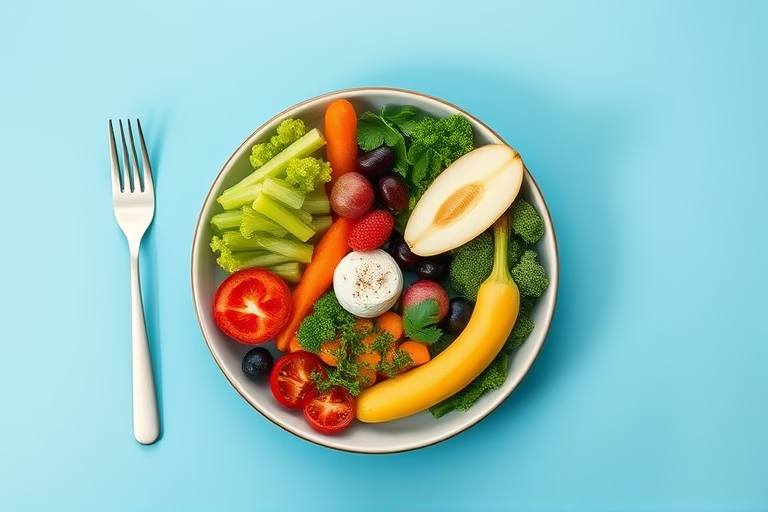
We will be talking about diet for IVF, which is a crucial element in supporting a successful journey through in vitro fertilization. The term IVF refers to a medical procedure where an egg and sperm are combined outside the body and then implanted into the uterus. The success of this procedure often relies not only on medical intervention but also on the overall health and well-being of both participants. A well-balanced diet plays a significant role in enhancing fertility and supporting reproductive health.
When considering diet for IVF, the emphasis is on whole foods, nutrient-dense options, and organic produce while reducing processed foods and added sugars. Certain vitamins and minerals are known to be essential for reproductive health, such as folic acid, omega-3 fatty acids, and antioxidants. These nutrients can optimize chances of conception by supporting hormone regulation and improving egg and sperm quality. Thus, understanding and implementing the right dietary choices can increase the likelihood of success during IVF treatment.
Understanding IVF and Its Requirements
IVF, or in vitro fertilization, is an assisted reproductive technology that helps couples struggling with infertility. It involves stimulating the ovaries to produce multiple eggs, retrieving the eggs, and then combining them with sperm in a laboratory setting. The fertilized eggs, or embryos, are then transferred back into the uterus. The entire process requires careful monitoring and can be physically and emotionally taxing.
Diet plays an essential role in this journey. Research suggests that women who consume a balanced diet rich in healthy fats, lean proteins, and whole grains may experience better IVF outcomes. High-fiber foods, fruits, and vegetables contribute to maintaining a healthy weight and regulating hormones that are crucial during IVF. Those undergoing IVF should prioritize foods that are anti-inflammatory and rich in essential nutrients, as these factors can significantly influence reproductive health.
The Role of Nutrition in Supporting IVF Success
Nutrition is pivotal when it comes to enhancing fertility and supporting the IVF process. A nutrient-dense diet can optimize reproductive functions and overall health. Foods that are beneficial include those rich in antioxidants, such as berries, nuts, and leafy greens, which may help combat free radicals and reduce oxidative stress that could impact fertility.
A diet for IVF should include essential fatty acids to support hormone production. Omega-3 fatty acids, found in fatty fish, flaxseeds, and walnuts, can reduce inflammation and may improve ovulation. It’s also crucial to consume enough protein from various sources, including lean meats, beans, and legumes. Maintaining stable blood sugar levels can promote hormonal balance, thus enhancing fertility. A high-fiber diet contributes to this process by promoting digestive health and helping to eliminate excess hormones from the body.
Essential Foods to Incorporate During IVF
When preparing for IVF, including certain foods in your diet can be beneficial. A variety of whole, nutrient-dense foods should be the focus.
- Fruits and Vegetables: These should make up a significant part of your diet. They are packed with vitamins and minerals, particularly antioxidants. Berries, citrus fruits, carrots, and leafy greens are great choices.
- Whole Grains: Opt for whole grains over refined carbohydrates. Brown rice, quinoa, and whole-grain bread are excellent sources of fiber, which help maintain healthy blood sugar levels.
- Healthy Fats: Avocados, olive oil, and nuts provide essential fatty acids that are beneficial for hormonal health. These fats help reduce inflammation and support overall well-being.
- Lean Proteins: Incorporate lean meats, fish, and plant-based proteins like legumes into your meals to support tissue growth and repair.
- Dairy Products: Whole-fat dairy products may be beneficial due to their calcium content. If lactose intolerant, alternatives such as almond milk or fortified plant-based options can provide similar benefits.
Incorporating these foods into your daily diet can help prepare your body for IVF and promote optimal health.
Avoiding Foods That May Hinder Fertility
While it is important to focus on what to include in your diet, it is equally essential to recognize foods that may adversely affect fertility or overall health during the IVF process.
- Processed Foods: Highly processed foods can contain transfats and additives that may promote inflammation and decrease fertility.
- Refined Sugars: Excess sugar consumption can lead to insulin resistance, affecting ovarian function and hormone levels.
- Caffeine: High caffeine consumption is linked with decreased fertility. Limiting caffeine intake can be beneficial during IVF.
- Alcohol: Alcohol can negatively impact hormone levels and fertility, making it advisable to limit or eliminate consumption during this period.
By avoiding these foods, you can enhance your body’s readiness for the IVF process.
Understanding Supplements for IVF
While a balanced diet is essential, certain supplements can also support reproductive health and improve the chances of a successful IVF outcome. Prenatal vitamins are often recommended, as they contain crucial nutrients such as folic acid to help reduce the risk of neural tube defects and support overall health.
Other key supplements that may be beneficial include:
- Coenzyme Q10: This antioxidant may improve egg quality, particularly in older women.
- Omega-3 Fatty Acids: If your diet lacks adequate omega-3s, supplementation may help reduce inflammation.
- Vitamin D: Many individuals are vitamin D deficient; supplementation can support reproductive health.
However, before starting any new supplement regimen, it is essential to consult with a healthcare provider to determine the best approach tailored to your specific needs.
Dealing with Emotional Well-Being
Undergoing IVF can be an emotionally challenging experience. It is critical to address emotional well-being alongside physical health. Including practices such as mindfulness, yoga, or therapy can provide support throughout this process. Balancing stress positively impacts hormonal balance and can go a long way in enhancing the likelihood of a successful IVF cycle.
Incorporating a support system, whether through friends, family, or support groups can also be beneficial. Communication about feelings and expectations can relieve tension and provide comfort during this intense time.
Final Thoughts
In conclusion, understanding the significance of diet during the IVF process is crucial for those seeking to enhance their fertility potential. By consuming a diet rich in whole foods, healthy fats, lean proteins, and essential nutrients, one can support their reproductive health effectively. It is equally important to recognize and avoid foods that may hinder fertility and to consider supplementation under a healthcare provider’s guidance. Emotional well-being is an integral aspect of this journey, and finding ways to manage stress and seek support can lead to a more balanced experience.
Ultimately, every individual is different, and dietary needs may vary. Fostering a positive outlook, maintaining open communication with medical professionals, and prioritizing self-care practices will empower individuals on their IVF journey.
Frequently Asked Questions
- What foods should be avoided during IVF? It is advisable to avoid processed foods, refined sugars, caffeine, and alcohol to enhance fertility.
- How important is a balanced diet for IVF? A balanced diet supports overall health, hormone regulation, and can improve egg and sperm quality.
- Are there specific nutrients to focus on for IVF? Yes, nutrients like folic acid, omega-3 fatty acids, antioxidants, and lean proteins are vital for reproductive health.
- Can supplements aid in successful IVF outcomes? Certain supplements like prenatal vitamins, Coenzyme Q10, and omega-3s may support fertility when recommended by a healthcare provider.
- What role does emotional health play during the IVF process? Emotional health is crucial as stress management can positively impact hormone levels and overall IVF outcomes.
Further Reading
What Type of Psychotherapy Is Best for Anxiety?