Key Takeaways
- Individual sleep environment can impact baby sleep quality.
- Parental presence can affect babies' ability to self-soothe.
- Sleep training methods vary; room sharing may not be for everyone.
- Creating a calming sleep environment is crucial for better sleep.
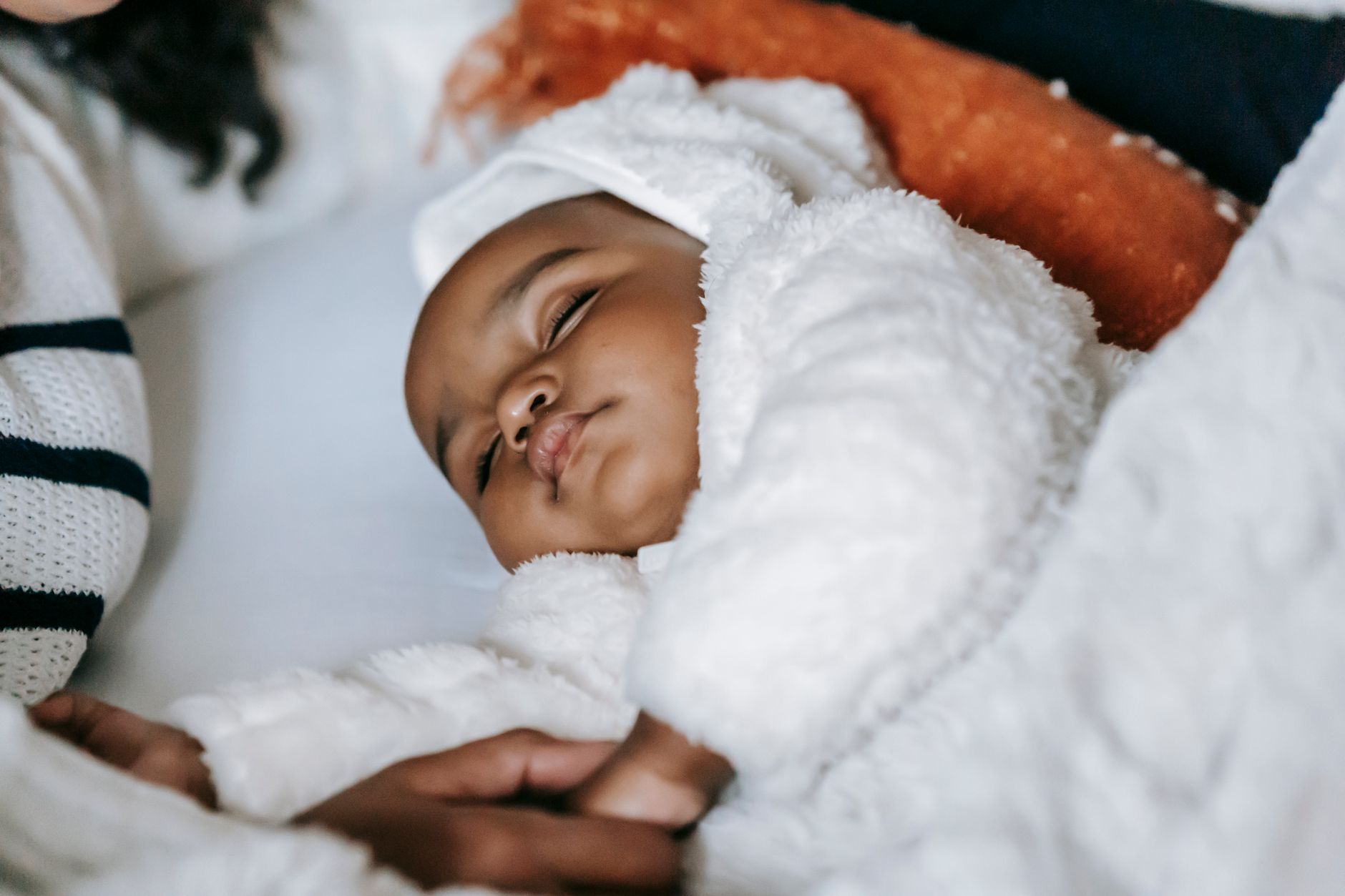
As new parents navigate the challenges of infant care, a common question arises: Do babies sleep better in their own room? This inquiry taps into various aspects of infant sleep habits, parental presence, and environmental factors that influence sleep quality.
Research on infant sleep suggests that the sleeping environment plays a significant role in how well babies rest. For many parents, transitioning a baby to their own room is a pivotal step that can impact their sleep patterns, development, and overall well-being.
In this article, we will explore the implications of room sharing versus solo sleeping, the science behind baby sleep, and practical advice for creating an optimal sleep environment.
The Science of Infant Sleep
Understanding how babies sleep is essential for making informed decisions about their sleeping arrangements. Newborns typically sleep between 14 to 17 hours a day, often in short bursts. Their sleep cycles differ from adults, with more time spent in REM sleep, which is crucial for brain development.
Infants go through several stages of sleep, and their ability to self-soothe and transition between these cycles can significantly influence how well they sleep. Research indicates that a baby’s sleep is interlinked with various factors, including:
- Age: As babies grow, their sleep patterns evolve. Newborns may require more frequent feedings and wakefulness, while older infants gradually develop longer sleep stretches.
- Sleep Environment: Factors such as room temperature, lighting, and noise levels can affect how deeply a baby sleeps.
- Parental Presence: The proximity of parents can provide comfort but may also inhibit a baby’s ability to learn self-soothing techniques.
Sleep Cycle Characteristics
Infants typically cycle through light and deep sleep phases, which can last around 50 to 60 minutes. During the light sleep phase, babies may stir or awaken easily. Understanding these cycles can help parents recognize when their baby might be ready to sleep more independently.
| Age | Average Sleep Duration | Typical Sleep Pattern |
|---|---|---|
| 0-3 months | 14-17 hours | Frequent awakenings, short sleep periods |
| 4-6 months | 12-15 hours | Longer sleep stretches, more predictable patterns |
| 6-12 months | 11-14 hours | Longer night sleep, fewer naps |
Room Sharing vs. Solo Sleeping
The decision of whether to share a room with your baby or allow them to sleep in their own room is deeply personal and can depend on various factors. Each option has its advantages and potential drawbacks.
Benefits of Room Sharing
- Increased Parental Awareness: Sharing a room can help parents monitor their baby’s sleep patterns more closely, allowing for quicker responses to crying or disturbances.
- Enhanced Bonding: Proximity can foster emotional bonding and reassurance for the baby, potentially reducing anxiety during the night.
- Convenience: For breastfeeding mothers, room sharing can make nighttime feedings easier and less disruptive.
Potential Drawbacks of Room Sharing
- Sleep Disruptions: A parent’s movements and noises might disturb the baby’s sleep, leading to more frequent awakenings.
- Dependency: Babies may become accustomed to sleeping near their parents and struggle to self-soothe when they transition to their own room.
- Lack of Personal Space: Parents may find it challenging to maintain their nighttime routines or have quiet time without disturbing the baby.
Benefits of Sleeping in Their Own Room
- Independence: Allowing a baby to sleep in their own room can encourage independence and self-soothing abilities.
- Less Disturbance: A quiet space might promote deeper sleep for the baby, reducing disruptions from parental movements or noises.
- Personal Space for Parents: Parents can enjoy their time and routines without worrying about waking the baby.
Creating the Optimal Sleep Environment
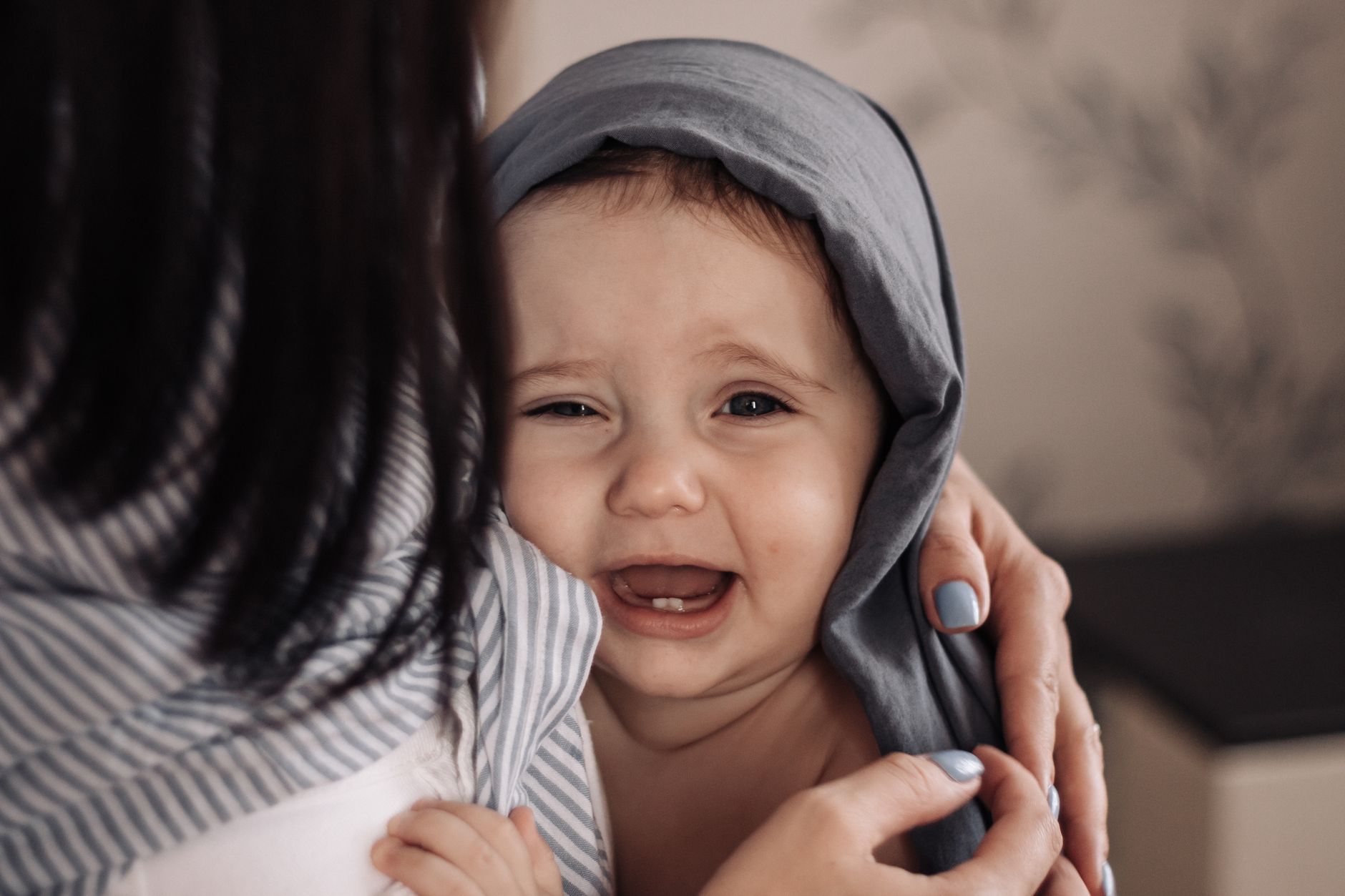
Whether you choose to room share or let your baby sleep in their own room, creating a calming sleep environment is essential for promoting better sleep. Here are several strategies to consider:
Essential Elements for a Sleep-Friendly Room
- Comfortable Temperature: Aim to keep the room at a comfortable temperature, usually between 68°F to 72°F (20°C to 22°C). Too hot or too cold can disrupt sleep.
- Minimize Noise: Use white noise machines or soft music to mask sudden noises, helping the baby to sleep more soundly.
- Dim Lighting: Use blackout curtains or shades to create a dark environment that promotes sleep, especially during daytime naps.
Safety Considerations
Safety should be a top priority when setting up a baby’s sleep space. Always follow safe sleep guidelines to reduce the risk of Sudden Infant Death Syndrome (SIDS). Here are some important tips:
- Use a Firm Mattress: Ensure the crib mattress is firm and fits snugly in the crib to prevent suffocation hazards.
- Keep Crib Clear: Avoid placing soft toys, blankets, or bumper pads in the crib, as these can pose choking hazards.
- Positioning: Always place your baby on their back to sleep, which is the safest position to reduce SIDS risk.
Establishing a Bedtime Routine
A consistent bedtime routine can signal to your baby that it’s time for sleep. Here are some elements to consider:
- Calming Activities: Engage in quiet, soothing activities, such as reading a book or gentle rocking before bed.
- Consistent Timing: Try to put your baby to bed at the same time each night, helping regulate their internal clock.
- Limit Stimulation: Reduce stimulating activities in the hour leading up to bedtime to promote relaxation.
Common Concerns and Myths
As parents consider whether to share a room with their baby or allow them to sleep alone, several myths and concerns may arise.
Myth: Babies Will Always Sleep Better Alone
While some babies thrive in their own rooms, others may feel more secure and sleep better when near their parents. Each baby is unique, and their sleep preferences can vary.
Concern: Room Sharing Increases the Risk of SIDS
Studies suggest that room sharing can actually decrease the risk of SIDS when done safely, as it allows parents to monitor their baby closely. The key is to follow safe sleep guidelines.
Myth: Babies Who Sleep Alone Are More Independent
Independence in sleep is not solely determined by sleeping arrangements. Teaching self-soothing techniques and establishing routines are more critical factors in developing independence.
Concern: I’ll Disturb My Baby’s Sleep
While parents may be concerned about disturbing their baby’s sleep, many infants are naturally heavy sleepers. Moreover, with a good sleep environment, the impact of minor disturbances may be minimal.
The Impact of Sleep Training on Infant Sleep Quality
Understanding Sleep Training
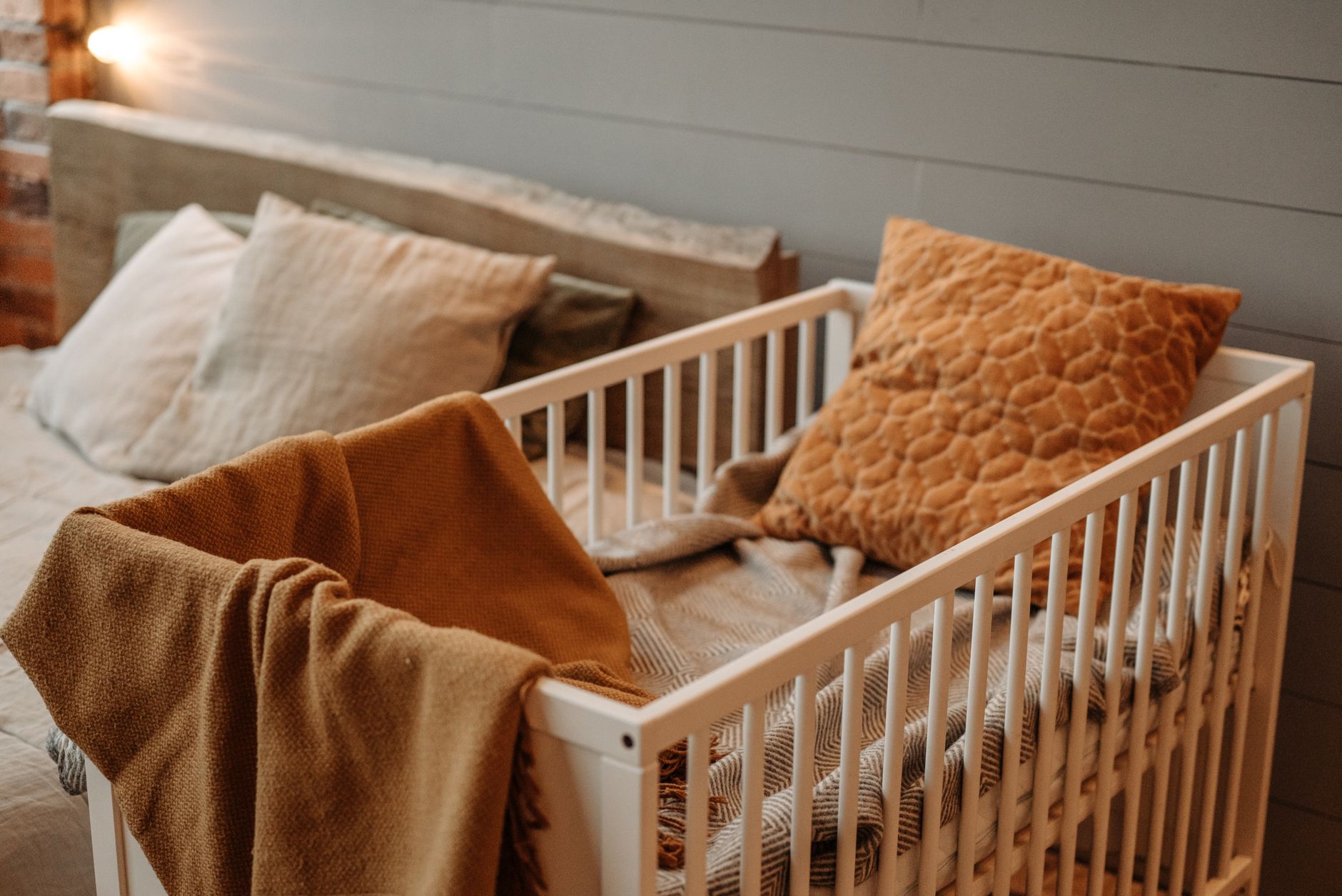
Sleep training is a method used to help infants learn to fall asleep independently. It often involves establishing a consistent bedtime routine and allowing the baby to self-soothe during night awakenings. There are various approaches to sleep training, such as the Ferber method, the chair method, and no-tears approaches. The choice of method can depend on parental comfort levels, the baby’s temperament, and family dynamics.
Research suggests that sleep training can significantly improve sleep duration and quality for infants. For example, a study published in the journal Pediatrics found that sleep training techniques can lead to longer sleep durations and fewer awakenings, which can be beneficial for both the child and parents.
Benefits of Sleep Training
Implementing sleep training can yield several benefits for both infants and parents. Here are some key advantages:
- Improved Sleep Duration: Babies often learn to sleep for longer periods, reducing the number of nighttime awakenings.
- Enhanced Parental Well-being: Better sleep for infants translates to improved mental and physical health for parents, who can manage daily tasks more effectively.
- Consistency: A structured approach helps create a predictable sleep environment, which can be comforting for babies.
Potential Challenges
While sleep training can be effective, it is not without its challenges. Parents may face emotional hurdles during the process, especially when allowing their baby to cry for short periods. Additionally, some babies may take longer to adjust to sleep training than others. It’s crucial for parents to remain consistent and patient, as changes in sleep patterns can take time.
Moreover, parents should be aware that sleep training is not a one-size-fits-all solution. Each child is unique, and what works for one family may not work for another. It is essential to choose a method that aligns with family values and the baby’s temperament.
Understanding the Role of Parental Presence in Infant Sleep
The Psychological Impact of Parents’ Presence
Parental presence can play a significant role in an infant’s ability to settle down and sleep well. Babies thrive on security and comfort, and the presence of a parent can provide both. When infants sense their caregivers nearby, it can alleviate anxiety and promote a sense of safety, which is conducive to sleep.
Studies have shown that infants who feel secure are more likely to achieve deeper sleep stages. This psychological comfort can make a difference in how quickly they fall asleep and how long they stay asleep. Parents can foster this sense of security through regular routines and responsive parenting.
Physical Proximity and Sleep Patterns
The physical proximity of parents can influence an infant’s sleep patterns. For instance, infants who sleep in the same room as their parents may benefit from the rhythmic sounds of breathing and heartbeat, which can mimic the womb environment. This auditory experience can enhance feelings of safety and lead to better sleep outcomes.
However, the impact of physical proximity can vary depending on the individual child. Some infants may sleep better when they are not disturbed by the movements or sounds of parents during the night. Parents should monitor their child’s sleep quality and make adjustments to sleeping arrangements as needed.
Strategies for Balancing Presence and Independence
Finding the right balance between providing comfort and encouraging independence is essential. Here are some strategies parents can consider:
- Gradual Transition: Start by having the baby sleep in a bassinet in the same room, then gradually move to a crib in a separate room.
- Consistent Bedtime Routine: Establish a calming bedtime routine that signals to the baby that it’s time to sleep, reinforcing independence.
- Check-Ins: If the baby cries, parents can implement check-ins to reassure them without picking them up, allowing them to learn self-soothing.
By implementing these strategies, parents can help their infants develop healthy sleep habits while still feeling secure and supported.
Exploring Cultural Differences in Infant Sleep Practices
Global Perspectives on Infant Sleeping Arrangements
Cultural norms significantly influence how infants are put to sleep and where they sleep. In many cultures, co-sleeping is a common practice, while others advocate for independent sleeping from an early age. For example, in some Asian and African cultures, co-sleeping is seen as a way to strengthen family bonds and ensure the baby’s safety. Conversely, many Western cultures promote solo sleeping for infants as a means of fostering independence.
Research into these practices reveals that cultural attitudes can shape not only sleep arrangements but also parental approaches to sleep training and night awakenings. Understanding these cultural differences can provide valuable insights for parents and caregivers navigating their own infant’s sleep patterns.
Benefits and Drawbacks of Different Cultural Practices
Each cultural approach to infant sleep has its own set of advantages and challenges. Here are some notable aspects:
- Co-sleeping: Promotes bonding and security but may lead to sleep disturbances for parents.
- Solo Sleeping: Encourages independence and may result in longer sleep durations for infants, but could increase anxiety in some babies.
- Hybrid Approaches: Some families adopt a combination of practices, allowing for flexibility based on the baby’s needs.
It is essential for parents to thoughtfully consider their cultural background, personal beliefs, and their baby’s temperament when deciding on sleep practices.
Adapting Cultural Practices to Modern Parenting
In today’s global society, many families blend cultural practices with modern parenting styles. This adaptation can lead to innovative solutions that cater to both infant sleep needs and family dynamics. Parents may take aspects from different cultural practices, such as maintaining close physical proximity while also encouraging independent sleep.
To effectively blend these practices, parents can engage in open discussions with family members and consider the needs of their child. This collaboration can lead to a more harmonious approach to infant sleep that respects cultural values while also addressing contemporary parenting challenges.
Frequently Asked Questions
What age should a baby sleep in their own room?
The American Academy of Pediatrics (AAP) recommends that babies can start sleeping in their own room around 6 months of age, but the decision ultimately depends on the comfort level of both the parents and the baby.
Will my baby sleep longer if they are in their own room?
Some studies suggest that babies may sleep longer when in their own room, as they may not be disturbed by parental movements. However, this varies from baby to baby.
How can I help my baby adjust to sleeping alone?
Gradually introducing your baby to their own room can help. Start with daytime naps in the crib and gradually transition to nighttime sleep. Establishing a calming bedtime routine can also ease the transition.
Is it safe for my baby to sleep in their own room?
Yes, it is safe for babies to sleep in their own room as long as safety guidelines are followed, such as using a firm mattress, keeping the crib clear of soft items, and always placing the baby on their back to sleep.
The Bottom Line
The question of whether babies sleep better in their own room is multifaceted, involving individual preferences, developmental stages, and environmental factors. While some infants may thrive in their own spaces, others may feel more secure near their parents. Creating a comfortable, safe sleep environment is paramount, regardless of the chosen sleeping arrangement. Ultimately, parents should consider what feels best for their family and their baby’s unique needs.
Note: This article is for general information only and is not medical advice. See a qualified health professional about your own situation.