





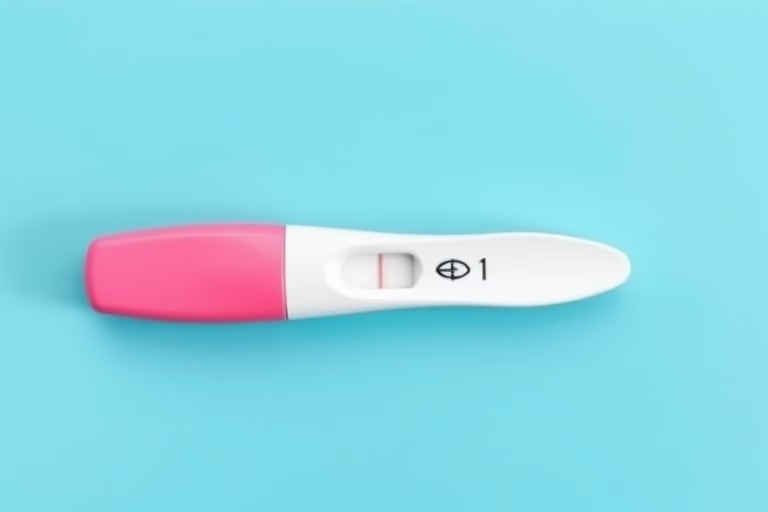
Understanding Implantation Bleeding
When trying to determine if you are pregnant, recognizing the signs of pregnancy is essential. One common indicator is implantation bleeding. This occurs when a fertilized egg attaches to the lining of the uterus, typically about 6-12 days after conception. It may present as light spotting or bleeding, which is often lighter in color than a normal menstrual period. Knowing whether you should take a pregnancy test after noticing implantation bleeding is critical. The hormonal changes following implantation can influence the accuracy of pregnancy tests. This leads many women to wonder: “Do I take a pregnancy test after implantation bleeding?”
What is Implantation Bleeding?
Implantation bleeding is a natural occurrence experienced by some women early in pregnancy. It usually appears around the time your period is due, leading to possible confusion. This light bleeding is caused by the implantation of a fertilized egg into the uterine wall. Often, it is different from a standard menstrual period, being lighter in flow and duration. Some women may notice this bleeding as a small spot of pink or brown blood. Understanding how this phenomenon relates to early pregnancy is crucial for accurate testing.
Despite its infrequency—occurring in only about 20-30% of pregnancies—recognizing implantation bleeding can help women identify early signs of pregnancy. It is essential to remember that not every woman will experience this symptom, and its presence does not guarantee pregnancy.
Timing of Pregnancy Tests
Timing plays a vital role in the effectiveness of a pregnancy test. Most standard at-home pregnancy tests yield reliable results around the time your period is expected, generally about two weeks post-ovulation. If you experience implantation bleeding, waiting a few days after it occurs can help ensure more accurate test results. This wait allows for the hormone hCG, which is produced once the fertilized egg implants, to reach detectable levels.
For those wondering about testing immediately after seeing implantation bleeding, it may result in a false negative. Patience can be key; a week after you notice implantation bleeding may be an ideal time to check for pregnancy.
Understanding hCG Levels
hCG, or human chorionic gonadotropin, is a hormone produced primarily during pregnancy. Its levels rise significantly the closer you are to implantation. After implantation occurs, hCG levels can be detected by most pregnancy tests. The increase in this hormone typically peaks around 7 to 10 weeks of pregnancy. For effective testing, it is important to understand the relationship between hCG levels and the timing of your pregnancy test.
When considering testing after implantation bleeding, you should factor in the time it takes for hCG to double in your body. Many tests are designed to detect hCG levels as low as 20 mIU/ml. Currently, without a significant rise in hCG, you might not receive a positive reading.
What if the Test is Negative?
If you take a pregnancy test following implantation bleeding and it shows a negative result, there are various considerations to keep in mind. Firstly, it might be too early to detect the hormone. If you tested too soon, consider retesting several days later for more reliable results. It is also possible for some women to experience a chemical pregnancy, where the fertilized egg does not implant correctly, resulting in early miscarriage. In this case, implantation bleeding may occur, yet the pregnancy test returns negative.
Consulting with a healthcare provider can offer insights if you consistently receive negative results despite positive symptoms suggestive of pregnancy. They may offer blood tests to follow up on your hormone levels or provide additional guidance based on your circumstances.
Managing Anxiety Around Testing
Uncertainty regarding pregnancy status can lead to significant anxiety for some women. Knowing when to take a pregnancy test can ease some of this tension. The emotional impact of waiting can introduce additional stress that may influence your wellbeing. Consider effective stress management techniques such as mindfulness practices, meditation, or seeking support from friends and family. These methods create a supportive environment to help deal with potential outcomes.
Additionally, ensure you have accurate information about the process of testing and understand the implications of any results you may receive. Education can empower you and alleviate some worries associated with testing.
Other Signs of Pregnancy
Besides implantation bleeding, several other symptoms signal early pregnancy. Recognizing these signs can help you decide if you should take a pregnancy test. Common indicators include:
Each of these symptoms can occur in varying degrees, and not all women will experience the same signs. If you experience several of these symptoms—especially following implantation bleeding—you may consider taking a pregnancy test sooner rather than later.
Consulting a Healthcare Professional
If uncertainty about pregnancy persists after several tests, seeking guidance from a healthcare professional can offer clarity and support. They can assess your situation more thoroughly and may perform different tests to ensure accurate results. Medical professionals can examine factors such as cycle irregularities, hormonal imbalances, or any potential health concerns influencing your results.
Following a consultation, your healthcare provider may discuss any necessary follow-up, nutritional celebrations if pregnancy is confirmed, or preventative strategies regarding future pregnancies if that is pertinent to your situation.
Final Thoughts
Asking “Do I take a pregnancy test after implantation bleeding?” is a common question among women when evaluating early signs of pregnancy. The process of testing for pregnancy is tied closely to understanding the timing of both implantation bleeding and the hormonal changes in your body. Recognizing how hCG levels fluctuate can give you insight into when and how to test accurately.
For many women, patience is crucial. As a rule of thumb, allowing a few days after observing implantation bleeding before testing increases the potential for reliable results. However, if your test returns negative, this does not necessarily confirm you are not pregnant; it might simply indicate that hormone levels haven’t reached detectable levels. The emotional anxiety can be challenging, yet stress management practices and vibrant support systems can ease your experience. Overall, feelings of uncertainty may persist, consulting a professional can clarify and help you make informed decisions concerning your health.
Frequently Asked Questions:
- How soon after implantation bleeding should I test for pregnancy?
You should wait about a week after noticing implantation bleeding for more reliable test results and to allow hCG levels to rise adequately. - Is implantation bleeding a definitive sign of pregnancy?
No, while it may signal pregnancy, not all women experience implantation bleeding, and other factors may cause light spotting. - Can I still be pregnant if the test is negative?
Yes, it is possible to be pregnant and receive a negative result, especially if testing too soon. - How long does implantation bleeding last?
Implantation bleeding typically lasts a few hours to three days, but it can be different for each individual. - What can cause false negatives in pregnancy tests?
Testing too early, diluted urine, or certain medical conditions might influence the accuracy of a pregnancy test.
Further Reading
What Type of Psychotherapy Is Best for Anxiety?