





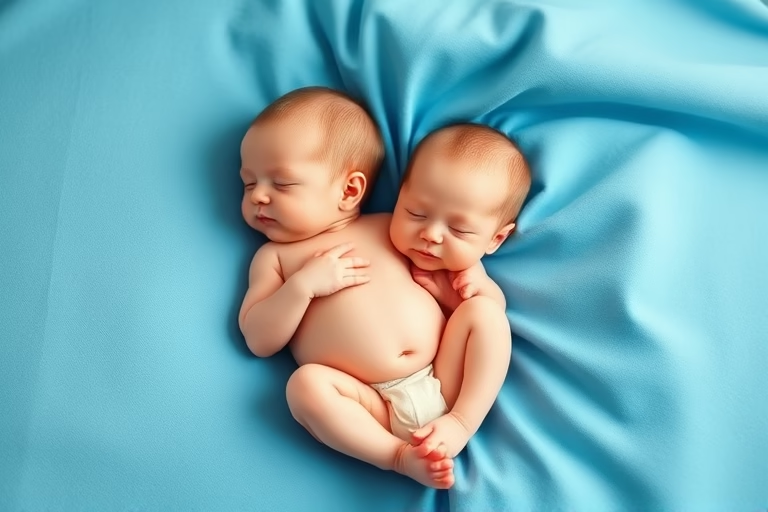
We will be talking about do IVF babies look different. The question of whether children conceived through in vitro fertilization (IVF) show notable differences compared to those conceived naturally has garnered much interest and concern among parents and prospective parents alike. IVF involves combining eggs and sperm outside the body and transferring the resulting embryos back into the uterus, which leads many to ponder the effects of this process on the appearance and health of babies born from such methods.
Research helps provide some answers; while there may be variations in growth patterns and genetic influences depending on various factors, there is no concrete evidence suggesting that IVF babies inherently look different from their naturally conceived peers. Factors like parental genes, environment, and lifestyle play significant roles in appearance. This topic extends beyond physical characteristics to encompass overall health, developmental milestones, and even emotional well-being. In this blog post, we will investigate these elements and provide insights into whether IVF babies exhibit any significant differences compared to conventionally conceived children.
Understanding IVF: A Brief Overview
In vitro fertilization is an assisted reproductive technology that has revolutionized the way couples can achieve pregnancy. The procedure involves several stages, including the stimulation of ovaries, egg retrieval, fertilization with sperm in a laboratory setting, and embryo transfer into the uterus. Understanding this process is fundamental for discussing the potential differences in IVF babies.
The process is meticulously designed to give couples facing infertility a chance to conceive. It may involve hormonal treatments to optimize egg production and timing for peak fertilization. The embryos are monitored for quality, and only the healthiest ones are usually selected for transfer, enhancing the chances of a successful pregnancy. As such, many wonder if these intricate medical procedures lead to any observable distinctions in the appearance of the children born as a result.
The Genetics of IVF Babies
Genetics plays a significant role in defining physical traits, and IVF is no exception. The genetic makeup of an IVF baby typically derives from the parents, leading to a similar range of physical characteristics as those observed in children conceived naturally.
While the IVF process introduces external elements such as lab fertilization and embryo selection, it does not alter the underlying genetic information passed from parents to child. As such, most IVF babies will exhibit traits that reflect their familial lineage. Traits such as eye color, hair type, and body structure tend to remain consistent with what would have been expected had conception occurred naturally.
In rare cases, if donor eggs or sperm are used in the IVF process, then the child may possess characteristics that differ from those of the parents. Yet, this is not an inherent consequence of IVF itself but rather a feature of the donor’s genetic contribution. Thus, it is critical to understand that genetics remains the primary determinant of a child’s appearance, regardless of the conception method.
Health Considerations for IVF Babies
Health outcomes for IVF babies have been a subject of many studies. Research suggests that while IVF babies may face a slightly higher risk for certain congenital conditions and premature birth, overall health characteristics largely align with those of non-IVF babies.
The conditions often associated with IVF include lower birth weights and increased chances of multiple pregnancies. These potential risks arise from the nature of fertility treatments rather than from the process of IVF itself. It’s important to understand that advancements in medical technology and improved practices in IVF have continually minimized these risks.
Most IVF babies grow up healthy and reach developmental milestones comparable to their peers. As parents become more informed about prenatal health and seek quality care before and during pregnancy, the health of IVF babies continues to improve.
Psychological Outcomes for IVF Babies
The psychological ramifications for children born via IVF are also an area of exploration. Some studies have proposed that children from IVF backgrounds may experience unique psychological challenges or societal perceptions due to their conception method.
However, it is essential to consider that the parenting environment, lifestyle, and emotional support provided by caregivers might impact a child’s psychological development more significantly than the IVF process itself. Supportive and open communication can foster healthy emotional growth in IVF children, just as it does for children of any background.
Parents of IVF babies should aim to cultivate a nurturing environment where children feel secure and valued. By promoting a healthy dialogue about their origins, parents can help mitigate any potential concerns a child may have about being conceived through IVF.
The Role of Environment and Lifestyle
Environment and lifestyle choices largely influence a child’s appearance and overall development far more than the method of conception, whether through IVF or natural means. Factors such as nutrition, physical activity, and exposure to environmental elements can significantly affect growth and well-being.
Proper nutrition during pregnancy and early childhood lays the foundation for a child’s long-term health and appearance. The active involvement of parents in promoting a healthy lifestyle will make a notable impact as children grow.
Moreover, factors like socio-economic conditions, education, and family dynamics also play pivotal roles in a child’s developmental journey. All these variables combined stress the importance of focusing on holistic upbringing rather than being overly concerned with the conception method alone.
Common Misconceptions About IVF Babies
Myths and misconceptions often circulate regarding IVF babies. One prevailing myth is that they are significantly different from naturally conceived babies in terms of health or intelligence.
In contrast to these beliefs, research consistently shows no marked differences in the cognitive abilities or health outcomes between IVF children and their naturally conceived counterparts. The understanding that variance in children arises from a multitude of factors rather than solely from their conception method is vital for dispelling these myths.
Another misconception is that IVF babies can express unusual traits due to the medical assistance involved in conception. However, as discussed, the fundamental influence remains rooted in genetics instead of the process itself. Acknowledging these misconceptions can better equip parents with realistic expectations.
The Impact of IVF on Family Dynamics
How IVF shapes family dynamics carries significance in discussions about the children’s experiences. Families navigating the journey of infertility may form a deep emotional bond as they face challenges together through the IVF process, which can positively affect the dynamics of the family unit.
Furthermore, the story of the child’s conception can be an integral part of their life narrative. Parents who choose to share the story of their IVF journey can cultivate a sense of belonging and understanding in their children. When fertility challenges lead to the wondrous arrival of a child, it can also lead to profound appreciation from parents.
Open discussions about origin can help normalize and celebrate the uniqueness of each family structure, providing valuable insights into emotional connectivity.
Final Thoughts
When exploring if IVF babies look different, it is essential to understand that genetic makeup remains the most significant determinant of appearance. The IVF process itself introduces no inherent changes, and any variances seen are primarily due to parental genetics, environmental influences, health, and individual differences.
Research demonstrates that children conceived through IVF generally experience healthy development, equipped with the same potential for growth and achievement as their non-IVF counterparts. Addressing common misconceptions regarding IVF babies is crucial in clearing the air for parents contemplating or already engaged in the IVF journey.
Ultimately, parents are encouraged to focus on providing enriching environments that foster health and happiness rather than fixating on concerns about physical differences. By building supportive relationships and nurturing open conversations about conception, families can cultivate strong bonds that confidently pave the way for the next generation.
Ultimately, the focus should be on the well-being and love shared within the family, regardless of how the child came into the world. The characteristics that truly define children—or anyone, for that matter—lie within personality, behavior, and the meaningful connections they establish throughout life.
Frequently Asked Questions
1. Do IVF babies appear different from naturally conceived babies?
No, IVF babies typically do not appear different from their naturally conceived peers; appearance is fundamentally shaped by genetics from their parents.
2. Are IVF babies at a higher risk for health concerns?
While studies suggest a slightly increased risk for certain conditions, overall health outcomes tend to be similar to those of non-IVF babies.
3. Can IVF affect a child’s psychological development?
IVF itself does not negatively impact psychological development. A positive and supportive environment plays a crucial role in fostering emotional health.
4. What misconceptions exist regarding IVF babies?
Common misconceptions include beliefs that IVF babies are significantly different in health or intelligence. Most studies indicate no marked differences.
5. How can parents best support their IVF child?
Parents can best support IVF children by providing a nurturing, open environment that fosters self-esteem, trust, and a sense of belonging.
Further Reading
What Type of Psychotherapy Is Best for Anxiety?