





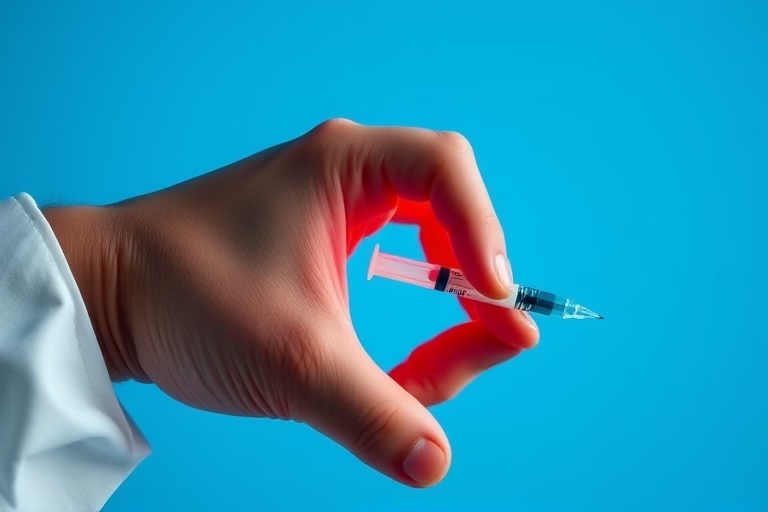
When exploring the world of fertility treatments, the question of “do IVF shots hurt” is a commonly raised concern among those considering in vitro fertilization (IVF). IVF shots are an integral part of the IVF process, utilized to stimulate the ovaries to produce multiple eggs. With so many emotions and uncertainties surrounding fertility treatments, understanding the experience of administering these shots can alleviate anxiety. This article will offer a comprehensive overview of the potential discomfort associated with IVF shots, while also addressing related topics to help patients navigate this journey with confidence.
IVF, or in vitro fertilization, is a medical procedure that aids in conception by fertilizing an egg with sperm outside the body in a laboratory setting. The process usually involves hormonal treatment through injections to enhance a woman’s ovarian response, followed by egg retrieval and fertilization. While many women successfully undergo IVF, the hormonal shots can lead to various levels of discomfort, prompting the question of pain and fear regarding these injections. The experience varies among individuals, shaped by psychological factors, overall health, and the specific medications prescribed. To empower patients, exploring the nuances of IVF shots is essential to understanding the complete IVF experience.
Understanding IVF Injections
IVF injections are primarily hormones that help stimulate the ovaries to produce multiple eggs. Common types of injections include the follicle-stimulating hormone (FSH), luteinizing hormone (LH), and trigger shots. Each of these plays a role in the timelines and mechanics of egg development. The administration of these shots is often the first step in the IVF process.
Patients often inquire about the sensations they might encounter during these injections. For many, the thought of self-injection can provoke anxiety. Most patients describe the initial prick of the needle as the most noticeable sensation, but the discomfort varies. Some individuals may feel a slight sting, while others experience minimal discomfort due to needle size and the technique used. The emotional component cannot be overlooked, as fear and apprehension might amplify the perception of pain. Adequate education and preparation can significantly enhance the experience of administering these injections.
To better cope with these injections, it’s beneficial to discuss with a healthcare provider about the-specific techniques and strategies to lessen discomfort. Some clinics provide demonstrations on how to self-inject accurately, and there are various methods of applying topical anesthetics to numb the area prior to the injection.
Ultimately, while the injections can cause mild discomfort, understanding the purpose and process can enable patients to view them as necessary steps towards a hopeful outcome.
Types of IVF Shots
There are several types of IVF injections, and understanding each’s purpose can help demystify the overall experience. The major types of IVF shots include:
- Follicle-Stimulating Hormone (FSH)
- Luteinizing Hormone (LH)
- Gonadotropin-Releasing Hormone (GnRH)
- Human Chorionic Gonadotropin (hCG)
FSH is utilized to stimulate the ovaries, facilitating the growth of multiple follicles, essentially encouraging the ovaries to produce several eggs. This is vital for maximizing the chances of successful fertilization.
LH works alongside FSH to promote proper ovarian function and egg maturation. Its role is essential, particularly in a timed administration approach where the menstrual cycle is closely monitored.
GnRH agonists and antagonists manage the timing of ovulation and assist in preventing premature ovulation during the stimulation phase. The administration of these shots requires close monitoring to prevent hyperstimulation of the ovaries.
The hCG injection, often referred to as the “trigger shot,” signals to the ovaries that it is time for egg retrieval. This trigger can lead to varying sensations in the body, and the timing of its administration is critical for peak success rates in egg retrieval.
Understanding these shots’ purposes can help patients view them in a more positive light. Each injection is a promising step toward achieving their dream of parenthood.
Pain vs. Discomfort
A crucial aspect of discussing the potential pain associated with IVF shots is distinguishing between pain and discomfort. Pain is often characterized by sharp or severe sensations, while discomfort tends to be milder and often more tolerable.
When patients report on their experiences, many express that while injections can be uncomfortable, they typically don’t reach the level of pain. The discomfort might manifest as a slight burning sensation as the liquid medication is injected or soreness in the area afterward. It varies greatly based on factors like injection site, technique, and individual pain tolerance.
Understanding your body is essential. Everyone’s pain tolerance is different, and some individuals are more sensitive to injections than others. Women undergoing IVF often recommend various coping mechanisms such as:
- Choosing an appropriate injection site such as the abdomen or thigh.
- Using ice packs before and after to numb the area.
- Practicing relaxation techniques.
Recognizing that discomfort can be part of the journey helps foster resilience and empowers individuals. Taking a proactive approach to minimize discomfort can lead to a more positive overall experience.
Emotional Factors
Fertility treatments can be an emotionally charged journey, and emotional well-being is tied closely to the physical sciences of IVF injections. The anxiety ingrained in the IVF process does affect one’s perception of pain and discomfort. Those who may feel stressed or overwhelmed might physically react more intensely to the sensation of injections than those who feel relaxed.
Support from loved ones, mental health specialists, or IVF support groups can be excellent resources during this time. It’s crucial to have open conversations about expectations and emotions surrounding treatment, as this connectivity can influence overall receptiveness to the experience.
On the technical side, taking the time to prepare mentally and emotionally for each shot can transform the experience. Breathing exercises and visualization techniques can help manage anxiety before administering the shot. Understanding that every individual reacts differently can promote compassion towards oneself and reinforce the journey’s unique nature.
The journey through IVF is complex. Emotional health plays a key role in managing discomfort and perceptions of pain. Engaging with supportive practices can enhance resilience and elevate optimism during treatment.
Coping Mechanisms for IVF Shots
Adopting practical coping strategies while dealing with IVF shots can significantly improve one’s experience. Some women find that deliberately preparing for their injections alleviates feelings of anxiety, making the process feel more manageable.
Below are several coping strategies to consider:
- Educate Yourself: Understanding the procedure, including potential sensations, can alleviate fear.
- Follow Instructions: Adhering to the method provided by medical professionals is vital for minimizing discomfort.
- Practice Relaxation Techniques: Using deep breaths or meditation can calm nerves.
- Use Distractions: Watching TV or listening to music during the injection can detract attention from the pain.
- Seek Support: Having a partner or trusted friend present during the injection can offer emotional comfort.
Each woman’s experience is distinct, and experimentation with these techniques can lead to discovering the most effective personal methods for managing the discomfort associated with IVF shots.
Long-term Effects of IVF Treatment
For individuals considering IVF, it is essential to understand that the administration of IVF shots is part of a larger picture regarding long-term health implications. While immediate discomfort exists, many women experience no significant long-term pain resulting from the injection process itself.
Potential side effects often involve hormonal fluctuations impacting emotional wellbeing, while the physical aspects may include temporary swelling or bruising at injection sites. Knowledge of these potential issues enhances awareness of one’s body and the overall experience.
Research shows that the risk of complications increases with repeated cycles of IVF. Monitoring health continuously through each stage of the treatment can optimize safety and effectiveness in the long term. Furthermore, maintaining regular communication with healthcare professionals throughout the IVF journey can lead to tailored advice aimed at managing both physical and emotional health.
Understanding how to maintain balance during these phases, such as incorporating lifestyle alterations and preventive healthcare practices, can foster resilience when facing possible challenges. Women who navigate the IVF process with open communication, understanding, and preparation often find themselves empowered throughout their journey.
Post-Injection Care
Post-injection care plays a vital role in minimizing discomfort and enhancing your overall experience with IVF shots. Once you’ve administered an injection, proper care for the injection site is crucial.
Some essential post-injection tips include:
- Applying an ice pack to the area to reduce swelling.
- Gently massaging the injection site to promote blood flow.
- Avoiding strenuous activities to prevent soreness.
- Staying hydrated and maintaining proper nutrition to support your body during treatment.
By adopting a careful approach to post-injection care, you can reduce discomfort and ensure a smoother IVF experience. Overall, being attentive to your body after each injection aids in recovery and prepares you for the next stage of your treatment.
Final Thoughts
Understanding the question of “do IVF shots hurt?” is a journey that goes beyond simple pain perception. While mild discomfort may accompany the injections, the mental and emotional facets of the IVF process cannot be overlooked. Through education and the application of coping strategies, many individuals can navigate this part of their fertility journey with enhanced confidence.
The different types of injections used in IVF come with their own sets of specific roles and sensations. Realizing that discomfort varies from person to person and can be mitigated through proper technique and post-care allows patients to remain proactive.
Emotional support is crucial, as mental well-being directly impacts how individuals perceive pain. Taking time to nurture emotional health alongside continual communication with healthcare providers can foster confidence in navigating IVF shots.
Overall, while the topic of discomfort related to IVF shots remains important, the emphasis should be on their crucial role in the journey toward building a family. Each injection represents a hopeful step forward in achieving dreams of parenthood, reminding patients of their resilience and determination.
Frequently Asked Questions
1. Are IVF shots painful?
While most people experience mild discomfort, pain levels can vary. Many report only slight soreness or a sting, while others feel different levels of discomfort.
2. How can I minimize discomfort from IVF injections?
Use an ice pack before injecting, choose alternate injection sites, and practice relaxation techniques to alleviate discomfort.
3. Is there any long-term side effect of IVF shots?
Generally, the shots themselves do not cause long-term issues, but it is critical to monitor hormonal fluctuations and overall emotional health throughout the treatment.
4. Can someone assist me with the injections?
Yes, having a partner, friend, or family member help with administering shots can reduce anxiety and provide emotional support.
5. What should I do if I experience severe pain during the injection?
If you encounter severe pain, consult with your healthcare provider immediately, as it may indicate a need for adjustment in technique or medications.
Further Reading
What Type of Psychotherapy Is Best for Anxiety?