Key Takeaways
- Tattoos are generally safe, but inks may contain harmful substances.
- Several studies suggest a potential link between tattoos and skin cancer.
- Proper care and hygiene can minimize risks associated with tattoos.
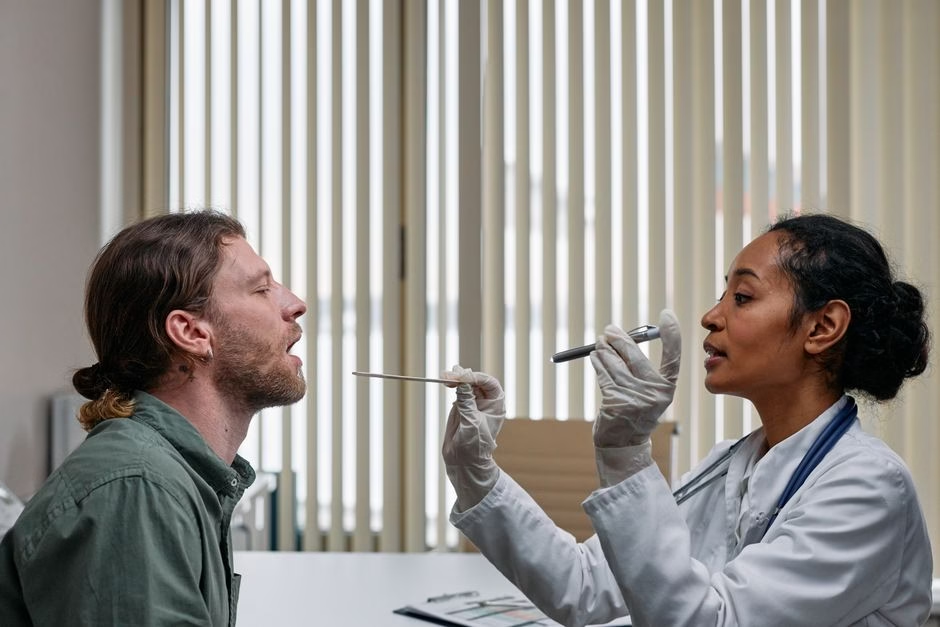
- Consulting with a healthcare professional is essential for personalized advice.
Many individuals with tattoos may wonder, Do tattoos cause cancer? This question has become increasingly relevant as the popularity of tattoos continues to rise. While tattoos are a form of self-expression and art, understanding their potential health implications is crucial for those who choose to get inked.
The relationship between tattoos and cancer is complex and not entirely understood. There is ongoing research into the components of tattoo inks, the body’s response to them, and any potential long-term effects on skin health. In this article, we will explore the science behind tattoos, the ingredients in tattoo inks, and the evidence regarding any links to cancer.
By the end of this guide, you will gain a clearer understanding of whether tattoos pose a cancer risk and how to make informed decisions regarding body art.
Understanding Tattoo Inks
Tattoo inks consist of pigments suspended in a carrier solution. The pigments provide color, while the carrier helps to deliver the ink into the skin. Understanding these components is essential in assessing potential health risks.
Some common pigments found in tattoo inks include:
- Carbon Black: Used for black ink, derived from soot.
- Iron Oxides: Used for reds, browns, and yellows, these are generally considered safe.
- Cadmium and Cobalt: Often used in vibrant colors but may pose health risks.
The carrier solutions can vary and may include alcohol, glycerin, or water. It is important to note that the composition of tattoo inks can differ significantly between brands and types, making it challenging to assess overall safety.
Regulation of Tattoo Inks
In many countries, tattoo inks are not as strictly regulated as pharmaceuticals. In the United States, for instance, the Food and Drug Administration (FDA) does not specifically approve tattoo inks, which can lead to variations in quality and safety. The lack of regulation raises concerns about the presence of harmful substances and their potential health impacts.
In Europe, the European Union has implemented stricter regulations on cosmetic products, including tattoo inks. Many inks used in the EU must comply with safety standards that restrict certain harmful substances. However, this does not guarantee that all inks are safe, as non-compliant products may still be available through unregulated sources.
Potential Health Risks of Tattoos
While tattoos are generally safe for most individuals, there are potential health risks associated with the procedure and the inks themselves. One of the primary concerns is the possibility of allergic reactions.
Some individuals may develop an allergy to specific pigments used in the ink, leading to symptoms such as:
- Itching
- Redness
- Swelling
In some cases, allergic reactions can lead to more severe complications, including scarring or infections. It is essential for anyone considering a tattoo to discuss any known allergies with their tattoo artist beforehand.
Infection and Disease Transmission
Another risk associated with tattoos is the possibility of infection. If proper hygiene is not maintained during the tattooing process, bacteria or viruses can enter the skin, leading to infections. Some infections may require medical treatment and could potentially lead to more severe health issues.
Additionally, there is a risk of transmitting bloodborne diseases, such as hepatitis B and C or HIV, if the tattooing equipment is not adequately sterilized. It is crucial to ensure that you are getting tattooed at a reputable studio that follows proper sanitation practices.

Do Tattoos Cause Cancer? Evidence and Findings
There is ongoing research into whether tattoos may be linked to an increased risk of cancer, particularly skin cancer. Some studies suggest that certain components of tattoo inks may have carcinogenic properties, while others indicate that tattoos themselves do not significantly increase cancer risk.
One area of concern is the presence of heavy metals and other potentially harmful substances in tattoo inks. A study published in the Journal of the European Academy of Dermatology and Venereology found that some inks contained trace amounts of carcinogenic compounds. However, the study concluded that there was insufficient evidence to definitively state that tattoos cause cancer.
Another study published in the American Journal of Dermatopathology examined the skin of individuals with tattoos and found that while some had pre-cancerous cells, it was unclear if the tattoos were the cause. The researchers called for more extensive studies to determine any direct correlation between tattoos and skin cancer.
Types of Skin Cancer
To understand the potential risks better, it’s important to recognize the different types of skin cancer that may be relevant. The three most common types include:
- Basal Cell Carcinoma: The most common form of skin cancer, typically caused by prolonged sun exposure.
- Squamous Cell Carcinoma: Often related to sun exposure and can be aggressive if not treated.
- Melanoma: The most serious type of skin cancer, often associated with changes in existing moles or the appearance of new moles.
While tattoos may obscure physical signs of skin cancer, it is essential for individuals with tattoos to perform regular skin checks and consult a dermatologist if they notice any changes in their skin.
Safe Tattooing Practices
To minimize potential risks associated with tattoos, it’s essential to choose a reputable tattoo artist and studio. Here are some tips to ensure a safer tattooing experience:
- Research: Look for reviews and recommendations for tattoo artists in your area.
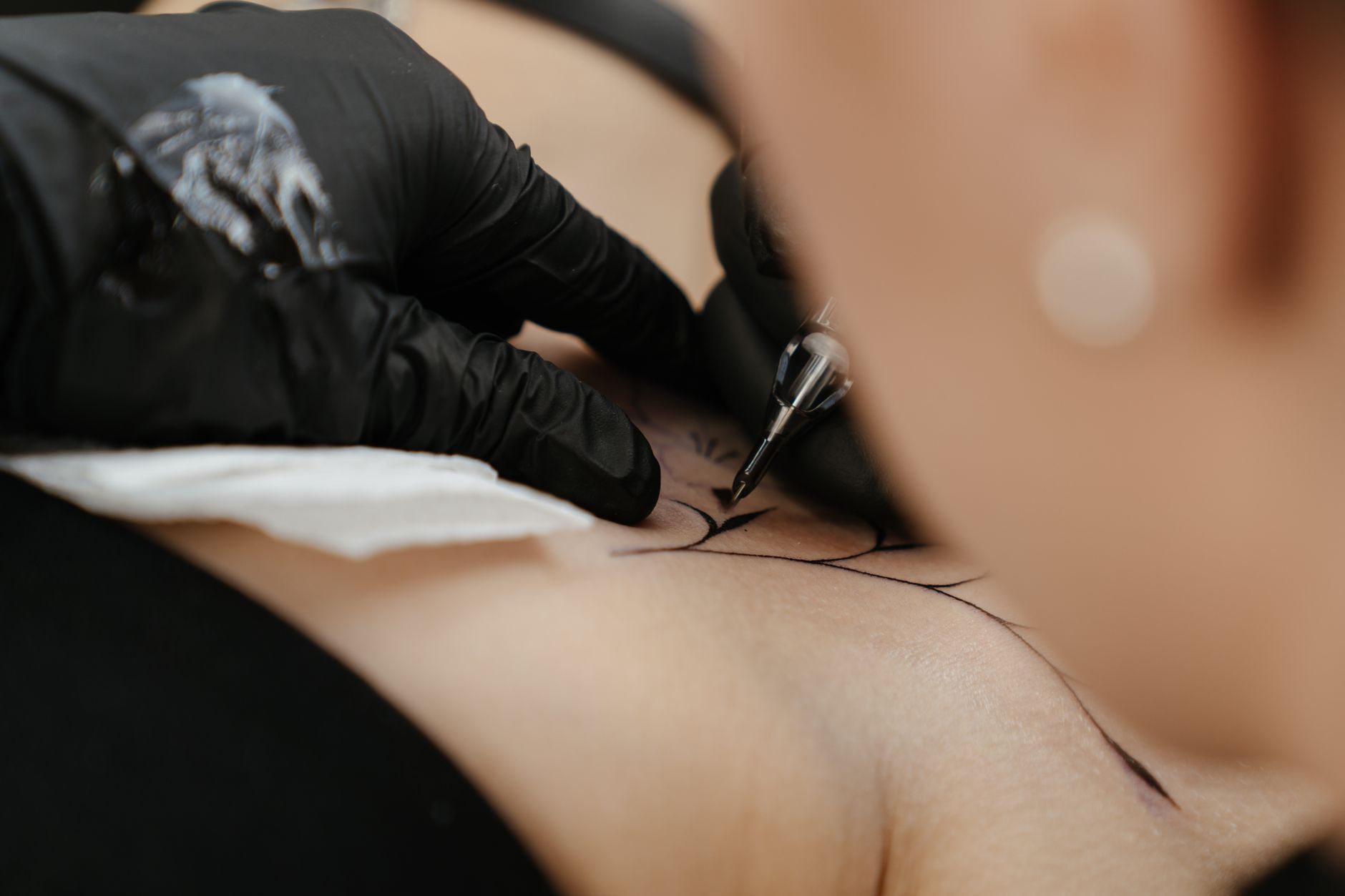
- Hygiene: Ensure the studio follows strict sanitation practices, including the use of disposable needles and gloves.
- Consultation: Discuss any allergies or health concerns with the artist before the procedure.
Proper aftercare is also crucial for preventing infections and promoting healing. Follow your tattoo artist’s aftercare instructions, which may include keeping the area clean, moisturized, and protected from sunlight.
Monitoring Your Tattoo
After getting a tattoo, monitor the area for any unusual changes. Look out for:
- Redness or swelling that does not subside
- Unusual growths or changes in the tattoo’s appearance
- Persistent itching or pain
If you notice any of these signs, consult a healthcare professional promptly.
Regulatory Oversight of Tattoo Inks
The Role of the FDA
The U.S. Food and Drug Administration (FDA) plays a crucial role in regulating the safety of tattoo inks, although its authority is limited. Tattoo inks are considered cosmetics under federal law, but they do not require premarket approval. This means that manufacturers are responsible for ensuring the safety of their products, but the FDA can take action against inks that are found to be unsafe after they are on the market. This regulatory gap can lead to concerns about the quality and safety of the inks used in tattooing.
The FDA has issued guidelines recommending that tattoo artists use inks from reputable suppliers and that customers inquire about the safety of the inks being used. However, due to the lack of stringent regulations, the ingredients in tattoo inks can vary widely, leading to potential health risks.
International Regulations
Regulatory practices for tattoo inks vary significantly around the world. In Europe, for instance, the European Union has established regulations that require tattoo inks to be compliant with safety standards. The EU’s REACH regulation (Registration, Evaluation, Authorisation, and Restriction of Chemicals) aims to minimize the risks associated with chemical substances, including those found in tattoo inks.
- Safety assessments of chemical substances
- Restrictions on certain harmful substances
- Mandatory labeling of ingredients
In contrast, countries like the United States have less rigorous oversight, leading to a patchwork of regulations that can leave consumers vulnerable to unsafe products. Consumers should be aware of these differences when seeking tattoos and ensure that their artists are using compliant and safe inks.
Consumer Awareness and Advocacy
As awareness of potential risks associated with tattoo inks grows, consumer advocacy groups are increasingly pushing for better regulations and transparency in the industry. Initiatives aimed at educating tattoo artists and clients about the composition of inks and the importance of safety standards are gaining traction.
Organizations are working to create databases of safe ink brands and educate consumers about the potential risks associated with specific ingredients. This movement emphasizes the need for informed choices when it comes to body art.
Long-term Effects of Tattoos on Health
Skin Reactions and Sensitivities
While many individuals enjoy tattoos without any adverse effects, some may experience long-term skin reactions. Allergic reactions to tattoo inks, although relatively rare, can manifest even years after the tattoo is applied. Symptoms can include redness, itching, and swelling at the tattoo site.
Common allergens include:
- Red pigments (often containing mercury or cadmium)
- Green pigments (which may contain chromium)
- Blue pigments (often derived from cobalt)
Individuals with a history of skin sensitivities or allergies should consult with a dermatologist prior to getting a tattoo to discuss potential risks and alternative options.
Impact on Medical Imaging
Tattoos can sometimes interfere with medical imaging procedures such as MRI scans. The pigments in certain inks can cause artifacts or distortions in the images, potentially complicating diagnoses. While the majority of tattoos do not pose significant risks during imaging, the presence of metallic components in some inks can lead to overheating or burns in rare cases.
Patients should inform their healthcare providers about any tattoos they have before undergoing imaging procedures. This awareness allows for appropriate measures to be taken to mitigate any risks associated with the tattoos.
Psychological Effects of Tattoos
The psychological impact of getting a tattoo can also be significant. For many, tattoos serve as a form of self-expression and empowerment. However, individuals may experience regret or anxiety related to their tattoos, especially if they do not align with their evolving identity or personal beliefs.
Research indicates that tattoos can affect self-esteem and body image, leading to both positive and negative psychological effects. Factors that contribute to these effects include:
- Societal attitudes towards tattoos
- Personal significance of the tattoo
- Quality of the tattoo and artist’s skill
Individuals considering tattoos should reflect on their motivations and potential long-term feelings about their body art to ensure a positive experience.

Emerging Research on Tattoo Inks and Health
Innovations in Tattoo Ink Formulation
Recent advancements in tattoo ink formulation are focusing on safety and biocompatibility. Researchers are exploring the use of natural and organic materials in inks to minimize the risk of allergic reactions and other adverse effects. These innovations aim to create inks that are not only vibrant but also safer for long-term wear.
- Plant-based pigments
- Non-toxic carriers
- Eco-friendly production processes
As these products gain popularity, they may reshape consumer expectations and industry standards, leading to safer options for body art enthusiasts.
Studies on Long-term Health Outcomes
Ongoing research is investigating the long-term health outcomes associated with tattoos. Some studies are examining the potential relationship between tattoo pigments and systemic health issues, including cancer and autoimmune diseases. While current evidence does not definitively link tattoos to these conditions, the research aims to clarify any potential risks.
Key areas of focus include:
- Longitudinal studies tracking health outcomes in tattooed versus non-tattooed individuals
- Investigations into the migration of tattoo pigments within the body
- Potential interactions between tattoo inks and existing health conditions
As the body of research grows, it will contribute to a more nuanced understanding of how tattoos may impact long-term health.
The Influence of Cultural Perspectives on Tattooing
Cultural attitudes towards tattoos significantly influence perceptions of their safety and health implications. In some cultures, tattoos are seen as rites of passage or symbols of identity, while in others, they may carry negative connotations. These cultural perspectives can affect how individuals approach tattooing and their willingness to accept potential risks.
Understanding the cultural context surrounding tattoos can provide valuable insights for healthcare professionals and consumers alike. Factors to consider include:
- The role of tattoos in cultural identity
- Variations in tattoo acceptance across different societies
- The impact of social media on tattoo trends and perceptions
This awareness can lead to more informed discussions about the health implications of tattoos and the importance of safe practices.
Frequently Asked Questions
Can tattoos lead to skin cancer?
While some studies suggest potential links between tattoo inks and certain harmful substances, there is no conclusive evidence that tattoos directly cause skin cancer.
What are the common side effects of tattoos?
Common side effects include allergic reactions, infections, and irritation. Proper hygiene and aftercare can help reduce these risks.
How can I care for my tattoo after getting it?
Follow your artist’s aftercare instructions, keep the area clean and moisturized, and avoid sun exposure until fully healed.
Should I be worried about the ingredients in tattoo inks?
It’s wise to be cautious about ink ingredients. Research your tattoo artist’s ink and consult them about any concerns regarding safety and potential allergens.
The Bottom Line
In summary, the question, Do tattoos cause cancer, remains complex. While there are potential risks associated with tattoo inks and the tattooing process, current research does not definitively link tattoos to cancer. Choosing a reputable artist, understanding the ingredients in tattoo inks, and practicing good hygiene can help minimize risks. Always consult a healthcare professional for personalized advice regarding your health and tattoos.
Note: This article is for general information only and is not medical advice. See a qualified health professional about your own situation.