Key Takeaways
- Bhad Bhabie, also known as Danielle Bregoli, has not publicly stated she has cancer.
- Regular updates about her health can be found on her social media channels.
- It's essential to rely on verified news sources for health updates.
- Consulting healthcare professionals is crucial for accurate medical information.
Does bhad bhabie still have cancer?
When searching for information on whether Bhad Bhabie still has cancer, fans and followers are often concerned about her health and well-being. Bhad Bhabie, whose real name is Danielle Bregoli, gained fame through her viral appearance on Dr. Phil and has since built a successful career in music and social media. As with many public figures, rumors about health issues can spread quickly, making it essential to find accurate information.
As of October 2023, Bhad Bhabie has not publicly confirmed any diagnosis of cancer or any ongoing health issues related to cancer. It is important for fans to rely on credible sources and her official social media channels for accurate updates. Social media often serves as a platform for celebrities to share their personal lives, and Bhad Bhabie is no exception. Therefore, regularly checking her posts can provide the most reliable information.
In this article, we will explore Bhad Bhabie’s health journey, discuss cancer awareness, and provide information on how to stay informed about celebrity health news. Understanding the importance of verified health information is crucial, especially when it comes to sensitive topics like cancer.
Bhad Bhabie’s Health Journey
Bhad Bhabie first gained attention for her controversial statements and behavior on Dr. Phil, where she became famous for the phrase “Cash Me Ousside, How Bow Dat?” Since then, she has transitioned into a music career and has become a prominent figure on social media.
Despite her public persona, Bhad Bhabie has shared parts of her personal challenges, including mental health struggles. However, there has been no public announcement regarding cancer or any serious health issues. This absence of information may lead to speculation and rumors, which can be harmful and misleading.
It is essential for fans to approach such rumors with caution and seek information from reliable news outlets or Bhad Bhabie’s official channels. Misinformation can spread quickly, especially on social media platforms, where opinions can sometimes be mistaken for facts.
The Importance of Mental Health
While there is no confirmation of Bhad Bhabie having cancer, mental health is a crucial topic that she has been more open about. Here are some key points about mental health awareness:
- Understanding Mental Health: Mental health encompasses emotional, psychological, and social well-being, affecting how individuals think, feel, and act.
- Common Mental Health Issues: Conditions such as anxiety, depression, and stress are prevalent and can significantly impact one’s quality of life.
- Seeking Help: It is essential to seek professional help if experiencing mental health challenges. Therapists and counselors can provide support and coping strategies.

Cancer Awareness and Prevention
Cancer remains one of the leading health concerns globally. Understanding cancer, its types, and prevention can empower individuals to make informed health decisions. Here are some essential aspects of cancer awareness:
- What is Cancer? Cancer refers to a group of diseases characterized by uncontrolled cell growth. It can occur in various body parts and is often named after the organ or tissue where it originates.
- Common Types of Cancer: Some of the most common types include breast cancer, lung cancer, prostate cancer, and colorectal cancer.
- Prevention Strategies: Engaging in a healthy lifestyle, such as maintaining a balanced diet, exercising regularly, avoiding tobacco, and limiting alcohol consumption, can reduce cancer risk.
Recognizing Symptoms of Cancer
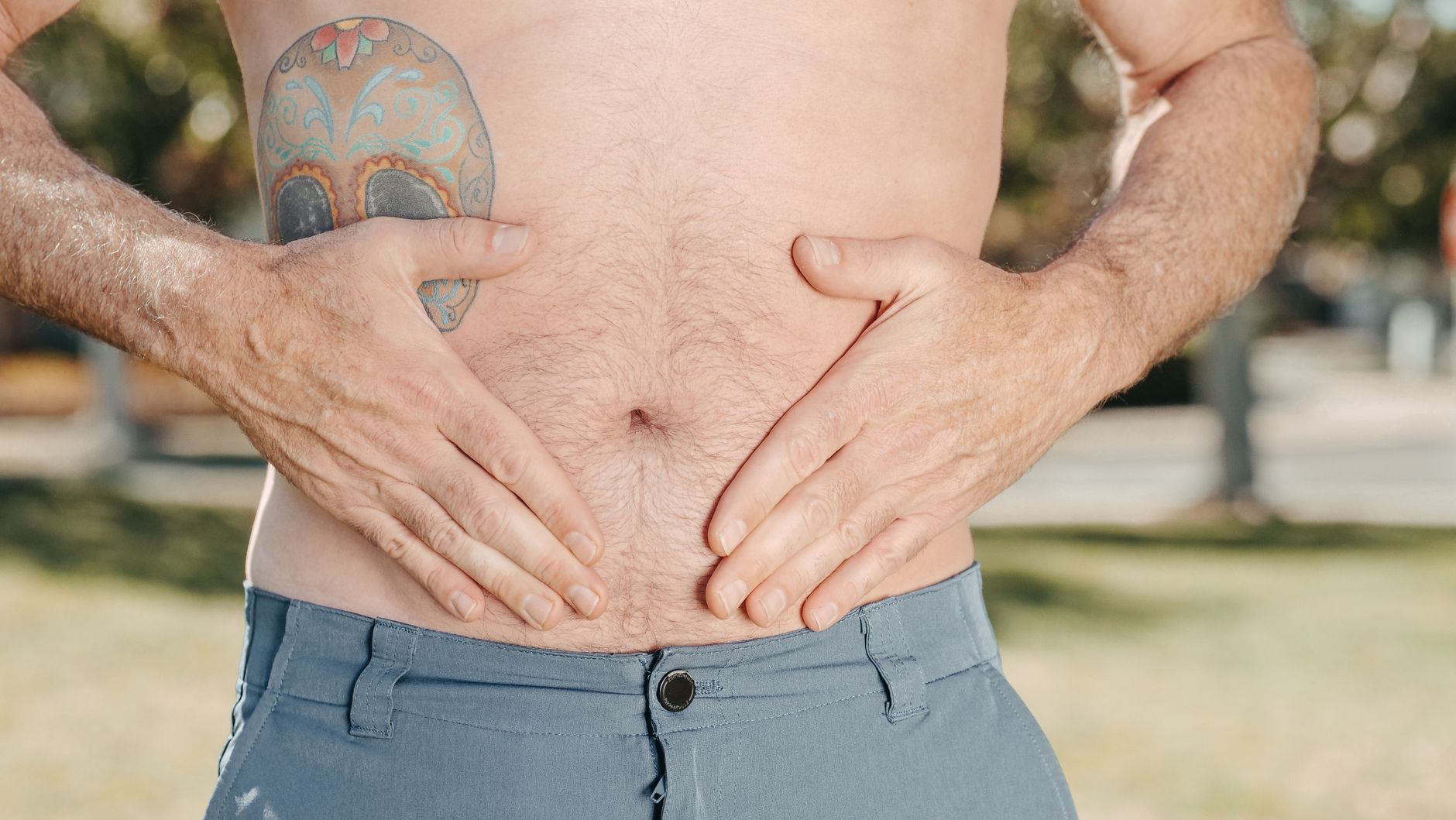
Early detection of cancer significantly improves treatment outcomes. Understanding the symptoms associated with various types of cancer can be vital. Common symptoms may include:
- Unexplained weight loss
- Persistent fatigue
- Changes in skin color or texture
- Unusual lumps or swelling
- Chronic pain in specific areas
Staying Informed About Celebrity Health
Keeping up with celebrity health news can be challenging, especially with the rise of misinformation on social media. Here are some tips for staying informed:
- Follow Verified Sources: Rely on reputable news outlets, health organizations, and verified social media accounts for accurate information.
- Consider the Context: Understand that personal health matters are sensitive and may not always be disclosed publicly.
- Engage with Official Accounts: Celebrities often share updates on their health through their official channels, making them the most reliable source of information.
Impact of Social Media on Health Information
Social media has transformed how individuals access health information. While it can provide quick updates, it also poses risks of misinformation. Here’s how to navigate this landscape:
- Be Critical: Evaluate the credibility of the source before accepting health claims. Check for corroborating evidence from established organizations.
- Seek Professional Advice: Always consult healthcare professionals for medical concerns instead of relying solely on social media.
- Engage Positively: Share accurate health information and raise awareness about critical health issues.
Understanding Cancer Types and Their Treatments
Cancer is not a single disease but a group of diseases characterized by uncontrolled cell growth. Different types of cancer require different treatment approaches, which can include surgery, chemotherapy, radiation therapy, immunotherapy, or targeted therapies. Understanding the specific type of cancer is crucial for determining the most effective treatment plan.
Common Types of Cancer
There are many types of cancer, and each can have a distinct impact on a patient’s health. Some of the most common types of cancer include:
- Breast Cancer: Affects the breast tissue and is one of the most common cancers in women.
- Lung Cancer: Often linked to smoking, it is a leading cause of cancer deaths worldwide.
- Prostate Cancer: Affects the prostate gland in men and is often diagnosed in older adults.
- Colorectal Cancer: Affects the colon or rectum and can often be prevented with screening.
- Skin Cancer: Includes melanoma and non-melanoma types, often related to UV exposure.
Treatment Modalities
The treatment for cancer can vary significantly based on the type, stage, and location of the disease. Here are some common treatment modalities:
- Surgery: Involves the removal of the tumor and surrounding tissue.
- Chemotherapy: Utilizes drugs to kill or slow the growth of cancer cells.
- Radiation Therapy: Uses high doses of radiation to target and kill cancer cells.
- Immunotherapy: Boosts the body’s natural defenses to fight cancer.
- Targeted Therapy: Focuses on specific genetic markers or proteins in cancer cells.
Factors Influencing Treatment Decisions
Several factors can influence treatment decisions for cancer, including:
- Type and Stage of Cancer: The specific characteristics of the cancer will dictate treatment options.
- Patient’s Overall Health: A patient’s age and health status can affect how well they tolerate treatments.
- Patient Preferences: Informed consent and personal preferences play a significant role in treatment choices.
The Role of Nutrition in Cancer Recovery
Nutrition plays a vital role in cancer recovery and can significantly impact a patient’s overall health and wellbeing. A well-balanced diet can help strengthen the immune system, maintain energy levels, and improve treatment tolerance.
Essential Nutrients for Cancer Patients
During and after cancer treatment, certain nutrients can be particularly beneficial:
- Protein: Essential for healing and maintaining muscle mass. Sources include lean meats, fish, eggs, and legumes.
- Antioxidants: Help protect cells from damage. Found in fruits and vegetables like berries, spinach, and carrots.
- Healthy Fats: Important for energy. Sources include avocados, nuts, and olive oil.
- Fiber: Aids in digestion and can help prevent constipation, particularly important for those undergoing certain treatments.
- Hydration: Staying hydrated is crucial, especially if experiencing side effects like vomiting or diarrhea.
Dietary Guidelines for Cancer Recovery
Here are some dietary guidelines that can assist in the recovery process:
- Eat a Variety of Foods: Incorporate different food groups to ensure a broad range of nutrients.
- Limit Processed Foods: Reduce intake of processed foods high in sugars and unhealthy fats.
- Stay Hydrated: Aim for at least 8-10 cups of fluids daily, adjusting based on activity level and treatment side effects.
- Consult a Dietitian: Working with a healthcare professional can provide personalized dietary advice.
The Psychological Impact of Nutrition
Nutrition does not only affect physical health but also psychological wellbeing. A balanced diet can improve mood, reduce anxiety, and enhance cognitive function. Psychological support and nutrition counseling can help create a positive relationship with food, which is particularly essential during cancer treatment.
The Importance of Support Systems in Cancer Care
A strong support system is crucial for individuals undergoing cancer treatment. Emotional, social, and psychological support can significantly impact a patient’s recovery and overall experience.
Types of Support Systems
Support systems can come in various forms, including:
- Family and Friends: Emotional support from loved ones can provide comfort and encouragement.
- Cancer Support Groups: Connecting with others who are going through similar experiences can offer shared understanding and coping strategies.
- Healthcare Team: Oncologists, nurses, and mental health professionals can provide critical information and emotional support.
The Role of Mental Health in Cancer Care
Mental health is an essential component of cancer care. Patients may experience feelings of anxiety, depression, or fear at various stages of their journey. Access to mental health resources can be vital:
- Counseling Services: Professional therapy can aid in managing emotional challenges.
- Mindfulness and Relaxation Techniques: Practices such as yoga and meditation can reduce stress and improve quality of life.
- Medication: In some cases, antidepressants or anti-anxiety medications may be prescribed to help manage mental health issues.
Building a Personal Support Network
Building a personal support network can be empowering for cancer patients. Here are some tips for cultivating a support system:
- Communicate Openly: Share feelings and needs with family and friends to foster understanding.
- Join Local and Online Groups: Seek out local cancer support groups or online forums to connect with others.
- Utilize Community Resources: Look for local organizations that offer support services tailored to cancer patients.
Understanding the Impact of Cancer on Mental Health
Emotional Responses to a Cancer Diagnosis
A cancer diagnosis can evoke a wide range of emotions, including shock, fear, and anxiety. For many individuals, the initial reaction may be disbelief, followed by a period of intense worry about the future. The psychological impact of cancer can be profound and may lead to conditions such as depression or anxiety disorders. It is essential for patients to acknowledge these feelings and seek psychological support as needed.
The Importance of Mental Health Support
Addressing mental health is a critical aspect of cancer care. Support systems, including therapy and support groups, can help individuals process their emotions and cope with the challenges of their diagnosis. Cognitive Behavioral Therapy (CBT) is one effective approach that has shown promise in helping cancer patients manage anxiety and improve their quality of life.
- Individual therapy sessions
- Support groups for shared experiences
- Mindfulness and relaxation techniques
Long-term Psychological Effects
The journey through cancer does not end with treatment. Many survivors experience long-lasting psychological effects, including survivor’s guilt, fear of recurrence, and changes in identity. It is crucial for survivors to continue mental health care even after treatment concludes. Regular check-ins with mental health professionals can facilitate ongoing support and help in adjusting to life post-cancer.
Navigating Social Media and Cancer Awareness
Influence of Social Media on Cancer Advocacy
Social media has emerged as a powerful tool in raising awareness about cancer. Celebrities like Bhad Bhabie using their platforms to share their experiences can significantly impact public perception and understanding of the disease. These platforms allow for real-time dissemination of information, which can educate followers about symptoms, treatments, and preventive measures.
Potential Risks of Misinformation
While social media can be beneficial, it also poses risks, particularly regarding the spread of misinformation. Cancer patients and their families must be vigilant and discerning about the information they consume online. Consulting healthcare professionals and relying on reputable sources is essential to ensure that the information is accurate and evidence-based.
- Verify sources before sharing information
- Follow reputable health organizations
- Engage with healthcare professionals through Q&A sessions
Building Community Through Shared Experiences
Social media platforms can foster a sense of community among cancer patients and survivors. By sharing personal stories, individuals can connect with others who have faced similar challenges, reducing feelings of isolation. Online forums and support groups allow patients to ask questions, share tips, and provide emotional support to one another.
Innovations in Cancer Research and Treatment
Latest Advances in Cancer Treatment
Research in cancer treatment is continually evolving, with new therapies being developed to improve patient outcomes. Precision medicine, which tailors treatment based on the genetic profile of both the patient and the tumor, is one of the most promising advancements. This approach can lead to more effective treatments with fewer side effects.
Clinical Trials and Their Importance
Participating in clinical trials can provide patients access to cutting-edge therapies that are not yet widely available. Clinical trials often explore new drugs, combinations of existing treatments, and novel approaches such as immunotherapy and targeted therapy. Patients should discuss with their healthcare providers whether participation in a clinical trial is a viable option for their treatment plan.
- Types of clinical trials: drug trials, prevention trials, and quality of life studies
- Benefits of participating: access to new treatments, contributing to research
- Considerations: eligibility criteria, potential risks
Future Directions in Cancer Research
Future research aims to develop more effective treatments with fewer side effects, improve early detection methods, and enhance the overall quality of life for cancer patients. Innovations such as artificial intelligence in diagnostics and personalized vaccines are on the horizon, promising to transform cancer care in the coming years.
Frequently Asked Questions
1. What health issues has Bhad Bhabie publicly discussed?
Bhad Bhabie has been open about her struggles with mental health, but there has been no public confirmation of cancer or other serious health issues.
2. How can I stay updated on Bhad Bhabie’s health?
Follow her official social media accounts and check reliable news sources for the most accurate updates regarding her health.
3. What are the signs of cancer I should be aware of?
Common signs of cancer include unexplained weight loss, persistent fatigue, and unusual lumps or swelling. It’s important to consult a doctor if you experience any concerning symptoms.
4. How can I support someone going through cancer treatment?
Offering emotional support, helping with daily tasks, and being present can make a big difference. Encourage them to seek professional help and join support groups if needed.
The Bottom Line
As of now, there is no public information confirming that Bhad Bhabie has cancer. Staying informed through reliable sources is essential for understanding celebrity health news. If you have any health concerns or symptoms, consult with a healthcare provider for personalized advice and support.
Always consult a healthcare professional for accurate information regarding your health and any concerns you may have.[/m4p_tip>
Note: This article is for general information only and is not medical advice. See a qualified health professional about your own situation.