





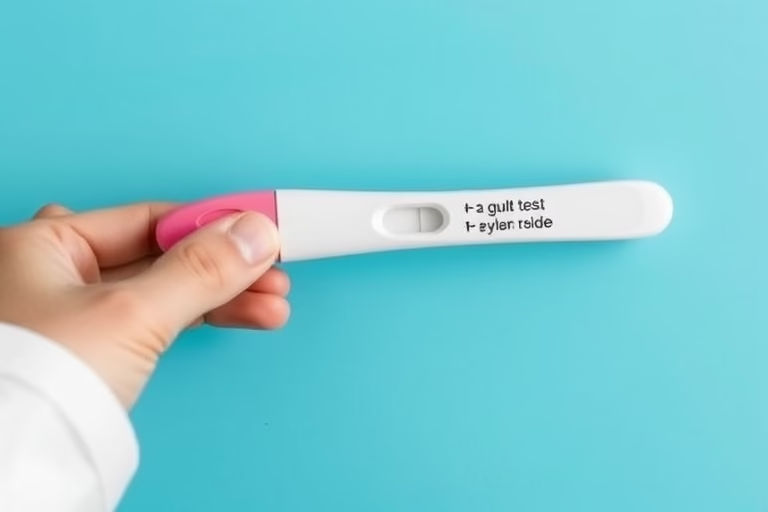
Understanding Implantation Bleeding
Implantation bleeding is a light spotting that can occur when a fertilized egg attaches to the lining of the uterus. This typically happens around 6 to 12 days after conception, which is about a week before a woman’s expected period. Many women may mistake this light bleeding for an early period. Recognizing the signs of implantation bleeding is essential, as it can be an early indicator of pregnancy. Generally, this spotting is much lighter and shorter in duration than a regular menstrual period. It usually lasts from a few hours to a couple of days. It may be pink or brownish in color rather than the bright red usually associated with menstrual bleeding.
The timing of implantation bleeding in relation to taking a pregnancy test is crucial. Some women may wonder if they should take a pregnancy test immediately after experiencing implantation bleeding, or if they should wait until a missed period. The answer to this question depends on several factors, including the sensitivity of the pregnancy test and the timing of ovulation. Understanding these variables can help in evaluating whether it is the right time to confirm pregnancy.
When Does Implantation Bleeding Occur?
Implantation bleeding typically occurs within 6 to 12 days following ovulation and fertilization. Ovulation generally happens about 14 days before the start of your next period. So, if you have a regular cycle, and you track your ovulation accurately, you can anticipate when implantation bleeding might occur.
After conception, the fertilized egg travels down the fallopian tube and implants itself into the uterine lining. This is a natural process, and as it does so, it can cause slight tearing of the endometrial lining, resulting in light spotting. Understanding this timing is crucial for women trying to conceive, as it helps them to identify early signs of a possible pregnancy.
By recognizing these signs, you can better interpret your body’s signals. If you experience light spotting outside of, or earlier than your expected period, it may be worth considering taking a pregnancy test. However, to ensure accuracy, it’s advisable to wait a few days after the bleeding stops for the best results.
How to Differentiate Between Implantation Bleeding and Menstrual Bleeding
It can be challenging for some women to distinguish between implantation bleeding and an early menstrual period. Here are some key differences:
Being aware of these distinctions might assist you in determining whether you are experiencing implantation bleeding. It’s essential to take note of your body’s signals to identify what’s normal for you.
Taking a Pregnancy Test After Implantation Bleeding
The question of when to take a pregnancy test after experiencing implantation bleeding is a common concern. While some may feel compelled to take the test right after bleeding occurs, it is generally recommended to wait. Most home pregnancy tests are designed to detect the hormone hCG (human chorionic gonadotropin), which is produced after the fertilized egg implants into the uterus. This hormone typically takes a few days to build up to detectable levels.
To achieve the most accurate results, consider the following:
Understanding how these factors play into the timing of testing can lead to more accurate results, helping you to interpret your pregnancy status responsibly.
Understanding hCG Levels After Implantation
The hormone hCG plays a vital role in confirming a pregnancy. It starts to be produced shortly after the fertilized egg implants into the uterus. Understanding how hCG levels work can help you navigate when to take a pregnancy test.
hCG levels can vary widely among individuals, but in early pregnancy, levels typically double approximately every 48 to 72 hours. A very sensitive pregnancy test can detect hCG as early as 5 days before a missed period, but for the most reliable results, testing is often recommended around the time of a missed period.
The delayed rise in hCG levels means that if a woman takes a pregnancy test too early, she risks getting a false negative. On the other hand, waiting a few days after the expected period may result in a positive test if pregnant. Monitoring hCG levels through blood tests can also provide additional insight if necessary.
Consulting a Healthcare Professional
If you suspect you are pregnant but receive negative test results, consulting with a healthcare professional can be beneficial. A healthcare provider can perform a blood test to measure hCG levels or investigate other reasons for missed periods or unusual bleeding.
Additionally, if you experience heavy bleeding or severe cramping, it’s important to seek medical advice immediately, as these symptoms could signify complications.
Professional guidance can aid in confirming a pregnancy and ensuring you take the necessary steps towards prenatal care and addressing any concerns you might have.
Common Misconceptions About Implantation Bleeding
Several misconceptions surrounding implantation bleeding can lead to confusion among women. Some of the most common include:
Being aware of these misconceptions can help women approach their reproductive health with more informed perspectives. Recognizing what implantation bleeding is, versus what it is not, empowers individuals to make educated decisions surrounding their health.
Final Thoughts
The timing and occurrence of implantation bleeding can create significant questions, particularly concerning taking a pregnancy test. Understanding the nature of implantation bleeding can greatly assist in determining the best moment to test for pregnancy. It is essential to recognize the signs, understand the hormone hCG, and differentiate between implantation and menstrual bleeding.
While taking a pregnancy test shortly after implantation bleeding may seem tempting, waiting a bit longer is often more beneficial for reliable results. Pay attention to your body’s signals, and if there’s any uncertainty, consider consulting with a healthcare professional for individualized guidance. Becoming informed about the processes of conception and early pregnancy can drive better decision-making for reproductive health.
Frequently Asked Questions
Yes, taking a pregnancy test too early can lead to a negative result even if you are pregnant. Waiting a few days and then retesting often yields more accurate results.
It usually lasts a few hours to a couple of days, much shorter than a typical period.
No, implantation bleeding is typically light and appears as spotting, not heavy bleeding.
It is advisable to wait about one week after the bleeding stops to ensure accurate results.
Yes, mild cramping can occur during implantation but it is usually less intense than menstrual cramps.
Further Reading
What Type of Psychotherapy Is Best for Anxiety?