





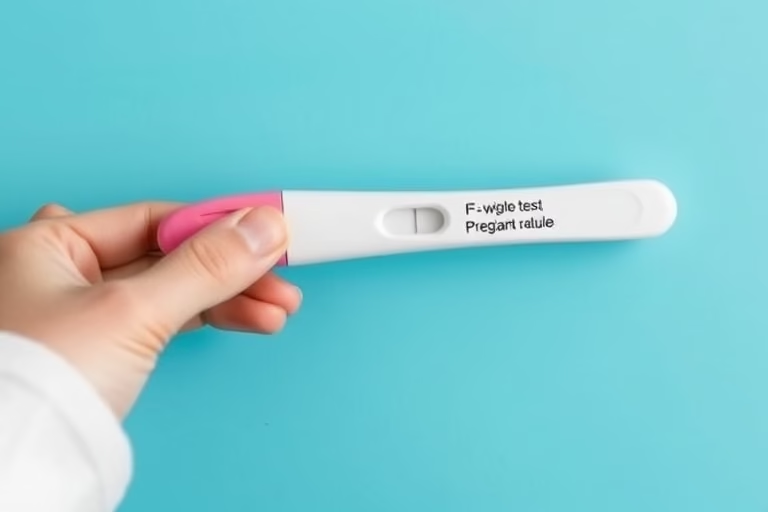
Understanding Implantation Bleeding
Implantation bleeding is a light spotting that can occur when a fertilized egg attaches itself to the lining of the uterus. This event typically occurs about 6 to 12 days after conception, which is often around a week before a woman’s expected period. Recognizing this condition and its implications is essential for those trying to conceive. It can sometimes be an early sign of pregnancy, leading many to question when to take a pregnancy test. Is it wise to test immediately after observing implantation bleeding? Understanding the timing can help provide clarity.
For many women, the uncertainty surrounding pregnancy testing can cause anxiety. The question of when to take a test after noticing implantation bleeding is common among those hoping for a positive result. Generally, it is recommended to wait a few days following the bleeding to ensure accurate results. This is when your body has increased the levels of hormones that pregnancy tests detect, providing a higher likelihood of a valid outcome.
Timing of Pregnancy Tests
Understanding the right timing to take a pregnancy test can significantly affect the accuracy of the results. If you take a pregnancy test too early, it might not register the pregnancy hormone known as hCG, leading to a false negative result.
Typically, it is advisable to wait until at least one week after the date of your missed period for the best results. If the implantation bleeding occurred a week before your expected period, testing on the day of your missed period may be your best option. This timing allows the hormone levels to rise high enough to be detected by most home pregnancy tests.
In some cases, especially with sensitive tests, it may be possible to detect pregnancy a few days earlier than your missed period, potentially just after implantation bleeding has ended. However, this may not always guarantee accurate results.
Understanding hCG Levels
The hormone hCG, or human chorionic gonadotropin, plays a crucial role in pregnancy tests. When a fertilized egg implants into the uterine wall, it triggers the body to produce this hormone.
Your hCG levels begin to rise shortly after implantation, usually doubling every 48 to 72 hours in early pregnancy. This rapid increase is what pregnancy tests measure, but it takes time for the levels to reach a detectable amount. Therefore, when you experience implantation bleeding, the levels might not be high enough yet for a home test to give a clear positive result.
Different testing brands have varying sensitivity levels, with some able to detect lower levels of hCG. Tracking your hCG levels with a healthcare provider can also provide insight into the progress of your pregnancy if you suspect you are pregnant.
Interpretation of Implantation Bleeding
Recognizing whether the spotting is actual implantation bleeding or an early sign of menstruation can be challenging. Understanding the characteristics of each can help.
Implantation bleeding is typically lighter than menstrual bleeding, often lasting from a few hours to a few days. It may appear as pink or brown stains rather than the bright red associated with regular periods. Understanding these differences is crucial, as it can influence one’s decision on whether to take a pregnancy test.
If the bleeding is heavier or accompanied by pain, it may indicate something else, such as hormonal fluctuations or even an early miscarriage. Always consult with a healthcare provider if there’s uncertainty regarding any symptoms experienced.
Consulting a Healthcare Provider
While understanding the timing of pregnancy tests and symptoms is vital, seeking guidance from a healthcare provider can offer extra reassurance. They can explain when to take a pregnancy test based on individual circumstances like cycle length, health history, and symptoms experienced.
Additionally, they can conduct a blood test to measure hCG levels, which provides more precise results than a home pregnancy test. If you experience implantation bleeding and are uncertain about the next steps, a provider can assist with tailored advice.
Common Misconceptions
Many misconceptions exist surrounding pregnancy tests and implantation bleeding. A common myth is that all types of bleeding during early pregnancy signify problems.
While not all bleeding is normal, implantation bleeding is a standard part of many early pregnancies. It’s also a misconception that you should take a pregnancy test immediately after any spotting. Understanding the timing and nature of your symptoms is essential for an accurate diagnosis.
Final Thoughts
In summary, taking a pregnancy test after experiencing implantation bleeding involves careful consideration of timing and symptom understanding. If you notice light spotting around the time of your expected period, it may be wise to wait a few days before testing. This allows for adequate hormone buildup for more accurate results. Consult with a healthcare provider for personalized advice, and be aware of the characteristics of implantation bleeding compared to menstruation.
Recognizing your body’s signals and understanding the signs of early pregnancy can significantly empower you in your reproductive journey. Should questions or concerns arise, do not hesitate to reach out to a knowledgeable professional for clarity.
Frequently Asked Questions
Implantation bleeding often resembles light spotting that may be brown or pink rather than the bright red of regular menstruation. It typically lasts for a few hours to a few days.
You can test a few days after experiencing implantation bleeding, ideally on or around the day of your missed period for the best accuracy in results.
While it is a common early sign of pregnancy, not all individuals will experience it, and other factors can cause light spotting. Timing and additional symptoms are essential.
Testing too early may lead to a false negative result because hCG levels may not be high enough for the test to detect. Waiting until your missed period is ideal.
If your initial test is negative but you still suspect pregnancy, it may be helpful to wait a few days and test again for more accurate results.
Further Reading
What Type of Psychotherapy Is Best for Anxiety?