
Key Takeaways
- Creatine can degrade over time but is usually safe beyond the expiration date.
- Proper storage conditions can extend the shelf life of creatine.
- Signs of spoilage include changes in color, smell, or texture.
- Consult a qualified health professional for personalized advice.
When considering dietary supplements, a common question arises: Does creatine expire? For those who rely on creatine to enhance their athletic performance or muscle growth, understanding its shelf life is crucial. Creatine is a popular supplement among athletes and bodybuilders, known for its ability to increase strength and improve exercise performance. However, like all supplements, it is important to know if and when creatine might go bad.
Creatine is often sold in powder form, and while it is stable under the right conditions, it can degrade over time, particularly if not stored properly. This article will provide a comprehensive guide to understanding the expiration of creatine, factors that affect its shelf life, and how to properly store it to ensure maximum potency and safety.
By the end of this article, you will have a clear understanding of whether creatine expires, how to tell if it has gone bad, and tips for safe consumption.
Understanding Creatine
Creatine is a naturally occurring compound found in small amounts in certain foods and is also produced by the body. It plays a vital role in energy production, particularly during high-intensity exercises. Athletes often supplement with creatine to improve their performance in sports that require short bursts of energy, such as sprinting or weightlifting.
There are several forms of creatine available on the market, with creatine monohydrate being the most researched and commonly used. Other forms include creatine ethyl ester, buffered creatine, and micronized creatine, each with varying levels of absorption and efficacy.
When it comes to storage and longevity, the form of creatine may influence its shelf life. Understanding these differences can help users make informed decisions about their supplement choices.
Does Creatine Expire? The Science Behind It
All consumables, including supplements like creatine, have a shelf life, which is the period during which they remain safe and effective. For creatine, this shelf life is influenced by several factors, including the form of creatine, packaging, and storage conditions.
Typically, creatine does not have a strict expiration date like perishable foods. Instead, manufacturers provide a ‘best by’ date. This date indicates when the product is expected to maintain its full potency and quality. After this date, the creatine may still be safe to use but could begin to degrade in effectiveness.
Research shows that creatine can remain stable for an extended period if stored properly. However, environmental factors such as moisture, heat, and light can accelerate its degradation. Therefore, it is crucial to store creatine in a cool, dry place to extend its shelf life.
Factors Affecting the Shelf Life of Creatine
Several factors can influence the longevity of creatine supplements:
- Form of Creatine: Different forms of creatine may have varying shelf lives. Creatine monohydrate tends to be more stable compared to other forms.
- Storage Conditions: Exposure to moisture, heat, and light can lead to quicker degradation. Keeping creatine in a sealed container in a dark, cool area is advisable.
- Packaging: Creatine stored in airtight containers is less likely to be affected by environmental factors than those in less secure packaging.
Understanding these factors can help users make informed choices about their creatine products and how to store them to maintain their quality.

How to Store Creatine Properly
To maximize the shelf life of creatine, consider the following storage tips:
- Keep it Sealed: Always store creatine in its original container or an airtight jar to prevent moisture from entering.
- Choose a Cool, Dry Place: Store creatine in a pantry, cabinet, or other cool locations away from heat sources like stoves or direct sunlight.
- Avoid Humidity: Keep creatine away from humid areas, such as bathrooms or near sinks, where moisture can cause clumping and degradation.
Following these steps can help ensure that your creatine remains effective for as long as possible.
Signs of Spoilage in Creatine
While creatine can last well beyond its ‘best by’ date, there are signs that it may have gone bad. Here are some indicators to watch for:
- Color Changes: If the creatine powder has changed color significantly from when you first purchased it, it may be a sign of degradation.
- Odor: Fresh creatine should have a neutral smell. A sour or unusual odor can indicate spoilage.
- Texture: If the powder has clumped together or has become hard, it may have absorbed moisture and is no longer effective.
If you notice any of these signs, it’s best to discard the creatine and purchase a new supply.
How Long Does Creatine Last?
While the shelf life of creatine varies, here are some general guidelines:
| Type of Creatine | Average Shelf Life | Storage Recommendations |
|---|---|---|
| Creatine Monohydrate | 2-3 years | Airtight container in a cool, dry place |
| Creatine Ethyl Ester | 1-2 years | Same as above |
| Buffered Creatine | 2-3 years | Same as above |
These estimates provide a general idea of how long you can expect your creatine to remain effective under optimal storage conditions. Always refer to the specific product’s label for the most accurate information.
Is It Safe to Use Expired Creatine?
Using expired creatine is a common concern among athletes and fitness enthusiasts. Generally, if the creatine has been stored properly and shows no signs of spoilage, it may still be safe to use even past its expiration date. However, the effectiveness may not be guaranteed.
It is crucial to trust your senses. If the creatine looks, smells, or feels off, it’s best to err on the side of caution and dispose of it. Always prioritize your health and safety when it comes to supplements.
If there are concerns about using expired supplements, consider discussing them with a healthcare professional, especially if you have underlying health conditions or take other medications.
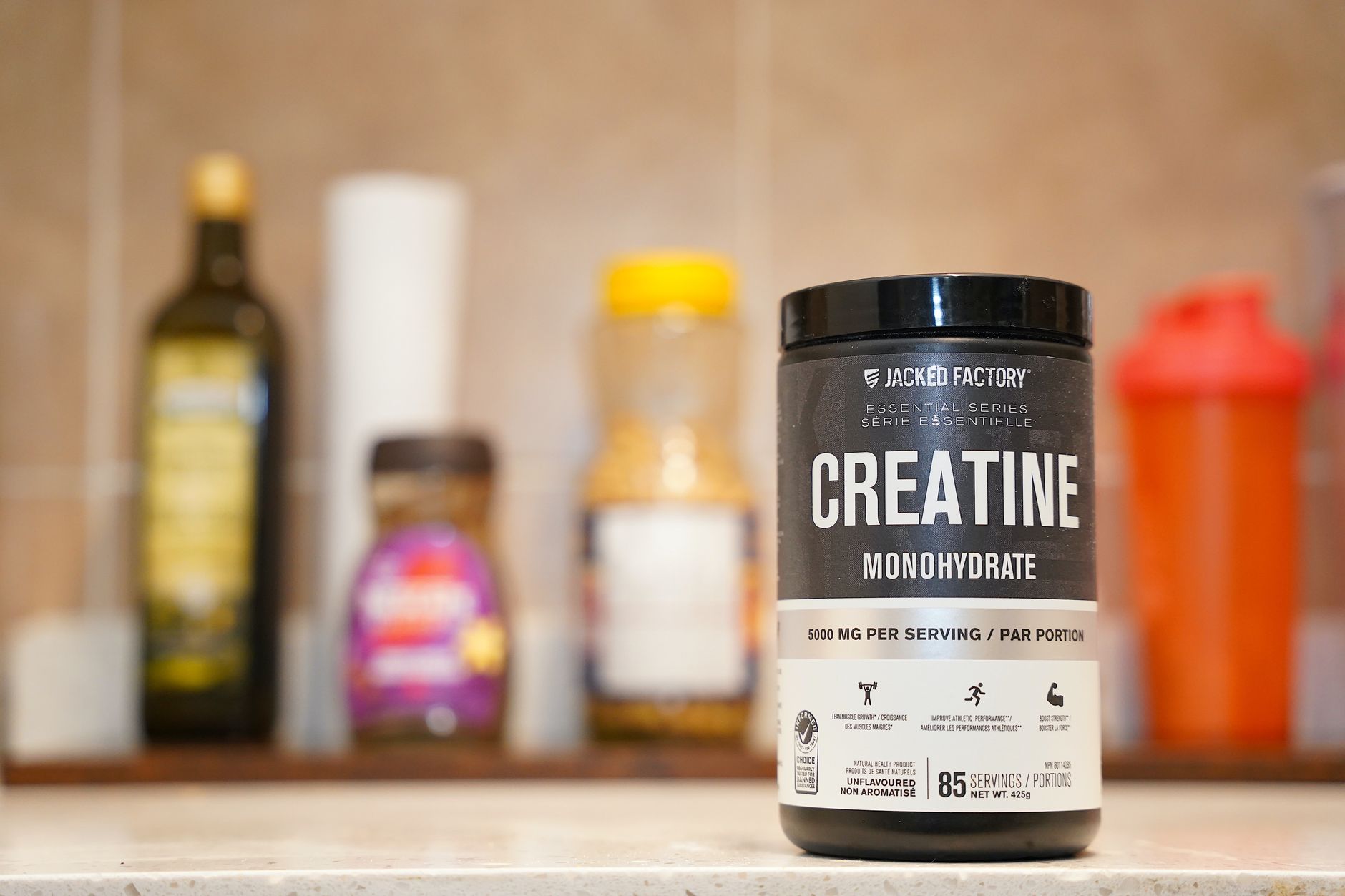
The Impact of Storage Conditions on Creatine Stability
Understanding how storage conditions affect creatine stability is crucial for maintaining its efficacy. Creatine is sensitive to environmental factors, and suboptimal storage can lead to degradation over time. Here are some key aspects to consider when storing creatine.
Temperature Sensitivity
Temperature plays a significant role in the stability of creatine. Storing creatine in a cool, dry place is essential to prevent hydrolysis, which can convert creatine into creatinine, a less effective compound. The ideal storage temperature for creatine is between 15°C to 25°C (59°F to 77°F).
- Avoid leaving creatine in hot environments, such as a car or near a stove.
- Refrigeration is not necessary and may introduce moisture.
- Long-term exposure to high temperatures can accelerate degradation.
Humidity and Moisture Control
Moisture is another critical factor that can impact creatine’s shelf life. Creatine is hygroscopic, meaning it can absorb moisture from the environment, leading to clumping and degradation. It is vital to store creatine in a tightly sealed container to minimize moisture exposure.
- Use airtight containers to keep out humidity.
- Avoid opening the container frequently, as this can introduce moisture.
- Consider using desiccants in the container to absorb any moisture.
Types of Creatine and Their Shelf Lives
Not all creatine supplements are created equal, and different forms of creatine may have varying shelf lives. Understanding these differences can help consumers make informed decisions about their supplementation.
Creatine Monohydrate
Creatine monohydrate is the most researched and widely used form of creatine. Its shelf life is generally longer compared to other forms when stored properly. When kept in optimal conditions, creatine monohydrate can last for several years without significant loss of potency.
- Stable for 2-3 years if stored correctly.
- Less susceptible to degradation compared to other forms.
Buffered Creatine
Buffered creatine, often marketed as Kre-Alkalyn, is designed to have a higher pH level, which purportedly makes it more stable in solution. However, the claims about its shelf life compared to creatine monohydrate are not significantly different. Proper storage is still necessary for both.
- May have a similar shelf life of around 2-3 years.
- Some users report less gastrointestinal discomfort with buffered forms.
Creatine Ethyl Ester
Creatine ethyl ester is often marketed as a more effective form of creatine due to its purported ability to be absorbed more efficiently. However, this form is more susceptible to hydrolysis and may have a shorter shelf life compared to creatine monohydrate.
- Typically stable for 1-2 years under proper conditions.
- More prone to degradation if exposed to moisture or heat.
Assessing Creatine Quality Over Time
As creatine ages, its quality can decline, even if it has not reached its expiration date. Evaluating the quality of creatine supplements can help users determine whether they are still effective.
Visual Inspection
One of the simplest ways to assess the quality of creatine is through visual inspection. Users should look for any visible changes in the powder’s appearance. Fresh creatine should be a fine, white powder without any clumps or discoloration.
- Check for clumping, which may indicate moisture exposure.
- Look for changes in color, which can signal degradation.
- Avoid using creatine with an unusual odor or appearance.
Solubility Test
Another method to evaluate the quality of creatine is to conduct a solubility test. High-quality creatine monohydrate should dissolve easily in water, while degraded creatine may not dissolve as well.
- Add a small scoop of creatine to a glass of water.
- Stir for a few seconds and observe how well it dissolves.
- A poor dissolution could indicate that the creatine is no longer effective.
Testing for Creatinine Levels
For those concerned about the quality of their creatine, testing for creatinine levels can provide insights into degradation. Creatinine is a byproduct of creatine breakdown, and elevated levels can indicate that the creatine has lost potency.
- Consider using commercially available testing kits.
- Labs can analyze creatine samples for creatinine content.
- High creatinine levels suggest that the creatine should not be used.
Understanding the Role of Creatine in Athletic Performance
Enhancing Energy Production
Creatine plays a crucial role in the production of adenosine triphosphate (ATP), which is the primary energy carrier in cells. During high-intensity exercise, ATP is rapidly depleted, and creatine helps to replenish it, allowing for sustained performance. This is particularly important in activities such as sprinting, weightlifting, and other forms of anaerobic exercise.
Studies have shown that supplementing with creatine can lead to increased strength, improved muscle mass, and enhanced recovery times. Athletes often report feeling more explosive and capable of performing at higher intensities when using creatine, making it a popular choice among those looking to improve their athletic performance.
Creatine and Muscle Recovery
Another significant aspect of creatine is its role in muscle recovery. After intense workouts, muscle fibers undergo stress and microtears, necessitating recovery. Creatine has been shown to help reduce muscle cell damage and inflammation following exercise, thereby speeding up recovery. This can allow athletes to train harder and more frequently without experiencing excessive fatigue.
- Reduces muscle soreness post-exercise
- Promotes faster recovery between training sessions
- Helps maintain muscle mass during calorie deficits

Potential Interactions with Other Supplements
Combining Creatine with Other Performance Enhancers
While creatine is effective on its own, many athletes combine it with other supplements to maximize their performance. Popular combinations include creatine with protein powders, beta-alanine, and branched-chain amino acids (BCAAs). Each of these supplements can address different aspects of performance and recovery.
For example, combining creatine with protein can enhance muscle protein synthesis, leading to better muscle growth. However, it’s essential to understand how these supplements interact to avoid any potential adverse effects. Always consult with a healthcare provider or a sports nutritionist before starting a new supplement regimen.
Hydration Considerations
When supplementing with creatine, hydration plays a critical role. Creatine draws water into muscle cells, which can lead to dehydration if fluid intake is not adequately increased. Athletes should ensure they drink sufficient water to maintain optimal hydration levels, particularly when engaging in intense training sessions.
- Drink at least 8-10 cups of water daily
- Increase fluid intake during heavy workouts
- Monitor urine color as an indicator of hydration
Choosing the Right Creatine Product
Types of Creatine on the Market
There are various forms of creatine available, each with its unique properties and benefits. The most common types include creatine monohydrate, creatine ethyl ester, and buffered creatine. Creatine monohydrate is the most researched and widely used, known for its effectiveness and cost efficiency.
Other forms, such as creatine hydrochloride and micronized creatine, may offer benefits in terms of solubility and absorption, making them potentially more suitable for specific individuals. Understanding these differences can help buyers choose a product that fits their needs.
Quality and Purity Standards
When selecting a creatine product, it is essential to consider quality and purity. Many supplements are not regulated, which can lead to variations in ingredients and dosages. Look for products that have undergone third-party testing to ensure they contain what they claim and are free from contaminants.
- Check for certifications from organizations like NSF or Informed-Sport
- Read labels for ingredient transparency
- Choose reputable brands with positive reviews
Frequently Asked Questions
Can you use creatine after the expiration date?
Yes, you can often use creatine after the expiration date if it has been stored correctly and shows no signs of spoilage.
What happens if I consume expired creatine?
If consumed, expired creatine may not be harmful but could be less effective. Always check for signs of spoilage first.
How do I know if my creatine is bad?
Signs of bad creatine include color changes, unusual odor, and clumping. If you notice any of these, it is best to discard it.
What is the best way to take creatine to ensure it lasts?
Store creatine in a cool, dry place in an airtight container. Avoid exposing it to moisture, heat, or direct sunlight.
The Bottom Line
In summary, the question of does creatine expire is nuanced. While creatine does have a shelf life, it can often remain effective beyond the ‘best by’ date if stored properly. Being aware of signs of spoilage and understanding how to store creatine can help you maintain its potency. Always prioritize safety by consulting a healthcare professional if you have doubts about using any expired supplements.
Always consult with a healthcare professional if unsure about the safety of using expired supplements.[/m4p_tip>
Note: This article is for general information only and is not medical advice. See a qualified health professional about your own situation.