





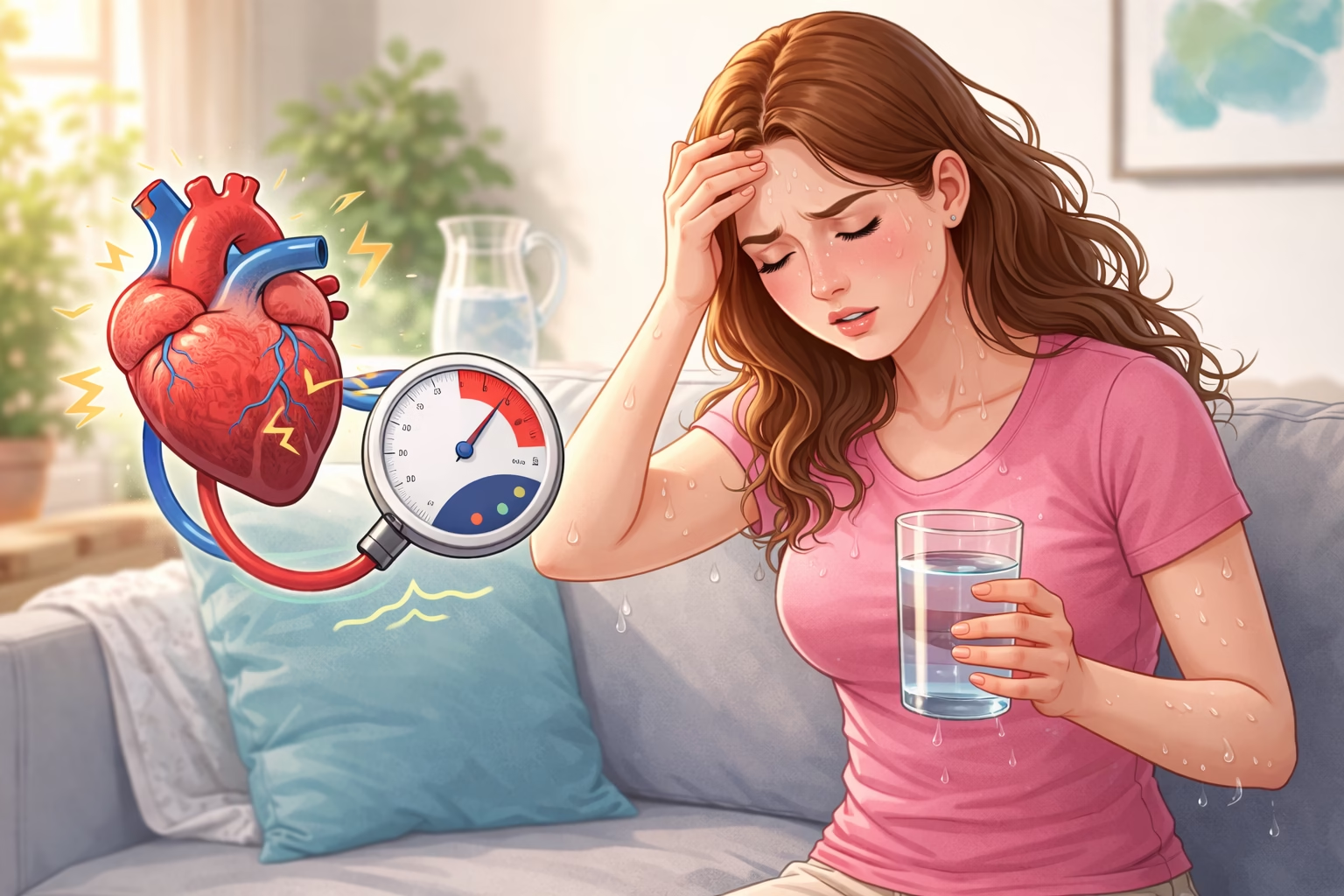
Dehydration is a condition that occurs when your body loses more fluids than it takes in. It can be caused by various factors such as high temperatures, vigorous exercise, illness, or not consuming enough fluids. While dehydration is commonly linked with symptoms like thirst, dry mouth, fatigue, and dizziness, many people overlook its potential connection to serious health conditions such as high blood pressure. This article explores the relationship between dehydration and hypertension to better understand its implications for cardiovascular health.
Understanding High Blood Pressure
High blood pressure, or hypertension, is a condition where the force of the blood against the walls of the arteries is consistently too high. This excess pressure makes the heart work harder to pump blood, which can lead to serious health complications over time. Factors that contribute to high blood pressure include genetics, lifestyle choices, and underlying medical issues. Making informed decisions about one’s health, including understanding hydration, can help manage or prevent high blood pressure effectively. Hydration is crucial for maintaining the balance of fluids in the body and ensuring that necessary physiological processes function properly, which includes regulating blood pressure.
What Role Does Hydration Play?
Hydration is essential for several bodily functions, including temperature regulation, joint lubrication, and the transportation of nutrients. When dehydrated, the body tries to conserve water, leading to a decrease in blood volume. A lower blood volume can cause the heart to beat faster and increase the force of blood against the arteries, which may raise blood pressure.
Symptoms of Dehydration
The symptoms of dehydration can range from mild to severe. Initial symptoms often include:
- Thirst
- Dry mouth
- Fatigue
- Dizziness or lightheadedness
- Headaches
As dehydration worsens, symptoms can progress to:
- Extreme thirst
- Dry, sticky mucous membranes
- Sunken eyes
- Rapid heartbeat
- Confusion or irritability
Recognizing these symptoms early can be crucial in preventing complications such as increased blood pressure.
How Dehydration Affects Blood Pressure
The relationship between dehydration and high blood pressure is multifaceted. When the body is dehydrated, it triggers the release of hormones that constrict blood vessels, leading to increased blood pressure. Research indicates that even mild dehydration can have an impact on blood pressure levels. Maintaining proper hydration helps the body maintain balanced electrolytes, which are essential for normal blood pressure regulation. Drinking sufficient water daily can thus help support cardiovascular health.
Dehydration and Heart Health
Chronic dehydration may significantly affect heart health. When the body lacks necessary fluids, it can lead to complications such as kidney stones, urinary tract infections, and even cardiovascular diseases. The heart needs adequate blood flow to function optimally, and dehydration can hinder this process, potentially resulting in elevated blood pressure. Keeping hydrated not only benefits heart health but also enhances overall well-being.
The Importance of Electrolytes
Electrolytes are minerals in the body that carry an electric charge. They are key for numerous critical functions, including maintaining fluid balance and regulating blood pressure. Common electrolytes include sodium, potassium, calcium, and magnesium. Dehydration can disrupt the balance of these minerals, impacting cardiovascular health. Ensuring you consume electrolytes through diet or hydration solutions can support optimal blood pressure levels.
Hydration Recommendations
To maintain proper hydration, it is usually recommended that adults consume around 8-10 cups of water daily. However, individual needs can vary widely based on factors like age, sex, level of physical activity, and climate. Drinking water proactively throughout the day, rather than waiting until you feel thirsty, is also crucial. During warmer months or vigorous physical activity, replenishing lost fluids is essential for maintaining health and preventing spikes in blood pressure.
Foods for Hydration
In addition to drinking water, certain foods can contribute substantially to your overall hydration levels. Foods with high water content such as fruits and vegetables can be a great addition to a hydration strategy:
- Watermelon
- Cucumber
- Oranges
- Strawberries
- Celery
Incorporating these into your diet can enhance your hydration efforts and support healthy blood pressure.
Monitoring Hydration Levels
Monitoring hydration is critical for maintaining overall health. Observing the color of your urine can serve as a simple way to track hydration levels; a pale yellow color typically indicates proper hydration, while darker shades suggest dehydration. Another approach includes measuring fluid intake and keeping track of any symptoms of dehydration that may arise throughout the day.
Connecting Hydration and Lifestyle Choices
Overall lifestyle choices significantly influence hydration and blood pressure. Incorporating physical activity, a balanced diet, and regular health check-ups can help manage blood pressure. Additionally, staying aware of your body’s hydration needs, especially in extreme temperatures or during exercise, remains essential. Establishing good hydration habits can set the foundation for a healthier life.
In conclusion, understanding the relationship between dehydration and high blood pressure is crucial for both prevention and management. Dehydration can lead to increased blood pressure, putting individuals at greater risk for cardiovascular diseases. Staying adequately hydrated through proper fluid intake, a balanced diet rich in electrolytes, and monitoring hydration levels can significantly impact blood pressure management and overall cardiovascular health.
Frequently Asked Questions
1. How does dehydration lead to higher blood pressure?
Dehydration reduces blood volume, which forces the heart to pump harder, potentially raising blood pressure.
2. What are early signs of dehydration?
Early signs include thirst, dry mouth, fatigue, and dizziness.
3. How much water should I drink daily?
It is generally recommended to drink 8-10 cups of water a day, but individual needs may vary based on factors like exercise and climate.
4. Can foods help with hydration?
Yes, fruits and vegetables with high water content, such as watermelon and cucumber, contribute to overall hydration.
5. Should I adjust my fluid intake during exercise?
Yes, it’s important to hydrate before, during, and after exercise to maintain optimal hydration levels and prevent spikes in blood pressure.
Further Reading
3.5 tog sleeping bag temperature guide
What Type of Psychotherapy Is Best for Anxiety?