





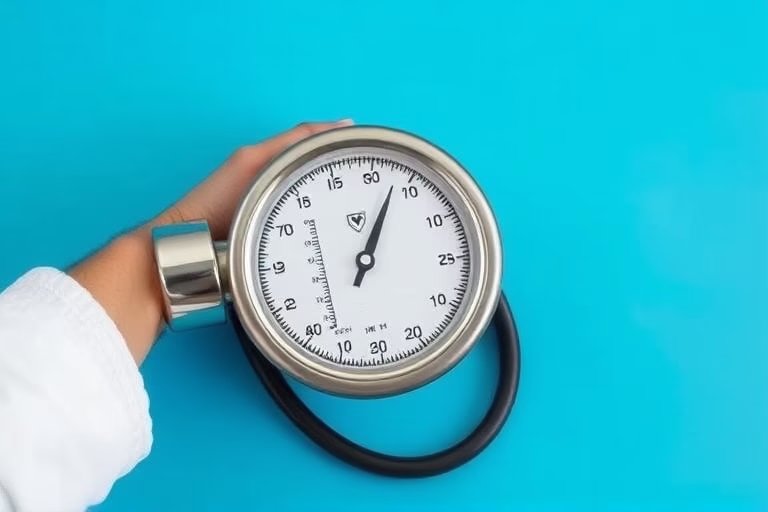
We will be talking about does high iron cause high blood pressure. High iron levels can refer to excess iron in the body, which is also known as iron overload or hemochromatosis. Iron is an essential mineral that plays a crucial role in many bodily functions. It aids in the production of hemoglobin, which is necessary for transporting oxygen in the blood. However, maintaining the correct balance of iron is vital; too little iron can lead to anemia, while excessive amounts can damage organs. Recent studies suggest that too much iron might contribute to high blood pressure (hypertension) and other cardiovascular diseases. Understanding how iron affects blood pressure is essential to maintain overall health.
What is High Iron in the Blood?
High iron levels in the blood result from various factors, including genetic disorders, excessive dietary iron intake, or repeated blood transfusions. Excess iron accumulates in organs, leading to potential damage and health issues. Conditions like hemochromatosis, an inherited disorder, cause the body to absorb too much iron from the food consumed. This iron overload can contribute to serious complications, including liver disease and diabetes. Knowing how to monitor and manage iron intake is critical to preventing health complications associated with high iron levels.
Understanding Blood Pressure
Blood pressure is the force of blood pushing against the walls of your arteries. It is measured using two numbers: systolic and diastolic pressure. Systolic pressure occurs when the heart beats and pumps blood, while diastolic pressure is the pressure in the arteries when the heart rests between beats. High blood pressure, or hypertension, can lead to serious health risks, such as heart disease, stroke, and kidney disease. Regular monitoring of blood pressure levels is essential for a healthy lifestyle.
How High Iron Levels Affect the Body
When iron levels are too high, the body experiences oxidative stress and inflammation. This can damage blood vessels and heighten the risk of developing hypertension. High levels of iron may also interfere with the normal functioning of endothelial cells, which line blood vessels and regulate blood flow. Disruption in blood flow can lead to an increase in blood pressure and other cardiovascular problems. Managing iron levels through diet and supplements, when necessary, can help mitigate these risks and maintain healthy blood pressure.
The Link Between Iron and Blood Pressure
Emerging research indicates a correlation between high iron levels and elevated blood pressure. The body’s response to excess iron may lead to vascular dysfunction, resulting in hypertension. Individuals with higher iron stores may also experience more severe forms of hypertension compared to those with normal iron levels. It is crucial to study how dietary and supplemental iron affect blood pressure, especially in individuals with pre-existing conditions or a family history of hypertension.
Foods High in Iron
Many foods are rich in iron, such as red meat, poultry, seafood, beans, dark leafy greens, and fortified cereals. While these foods can contribute positively to iron levels in the body, moderation is essential to avoid iron overload. If you are concerned about high blood pressure, focusing on iron-rich foods that are also low in saturated fats and cholesterol helps maintain health. Incorporating a balanced diet with adequate nutrients without excessive iron intake will benefit overall cardiovascular health.
Iron Supplements and Their Risks
Iron supplements can be beneficial for individuals diagnosed with iron deficiency anemia. However, they can pose serious risks if taken without medical supervision. Overconsumption of iron supplements can lead to toxicity, resulting in complications such as gastrointestinal issues and increased blood pressure. It is important to consult a healthcare professional before beginning supplementation to determine the appropriate dose and to evaluate individual needs based on dietary intake and health conditions.
Monitoring Iron Levels in the Body
Monitoring iron levels is vital for those at risk of iron overload or those with a known history of hypertension. Regular blood tests can help assess serum ferritin and total iron-binding capacity, providing an understanding of how much iron is stored in the body. Healthcare professionals can suggest lifestyle changes or treatment options if iron levels are abnormal. Staying vigilant and proactive about monitoring iron can prevent complications associated with hypertension and promote better health.
Signs of High Iron Levels
High iron levels may not present obvious symptoms in the early stages. However, as the condition progresses, individuals may experience symptoms such as joint pain, fatigue, abdominal pain, and liver problems. Hypertension often does not show symptoms until it reaches severe levels. Therefore, awareness of the potential symptoms of both high iron levels and high blood pressure is essential for early intervention and management.
The Importance of a Balanced Diet
Maintaining a balanced diet is essential for overall well-being and helps regulate iron levels in the body. A well-rounded diet includes a variety of foods—fruits, vegetables, whole grains, lean proteins, and healthy fats. By limiting processed foods and those high in refined sugars and unhealthy fats, individuals can help control both iron levels and blood pressure. It is essential to consult with healthcare providers or dietitians when making dietary changes, especially for individuals needing to manage specific health concerns.
Final Thoughts About High Iron and Blood Pressure
In conclusion, managing iron levels is crucial to prevent potential health complications, including hypertension. Does high iron cause high blood pressure? Emerging research suggests that excessive iron in the body may indeed lead to an increased risk of hypertension. Understanding how iron interacts with the body’s systems can help in managing overall health. Individuals should monitor iron levels, seek medical advice when symptoms arise, and maintain a balanced diet to support their cardiovascular health.
Frequently Asked Questions
- What are the symptoms of high iron levels? Symptoms may include fatigue, joint pain, abdominal pain, and signs of liver disease.
- Can high iron levels cause hypertension? Yes, research indicates a potential link between high iron levels and an increased risk of high blood pressure.
- How is high iron diagnosed? Diagnosis typically involves blood tests measuring serum ferritin, total iron-binding capacity, and transferrin saturation.
- What dietary changes can help reduce iron levels? Reducing the intake of red meat, organ meats, and fortified cereals can help manage iron levels.
- Is it safe to take iron supplements? Iron supplements should only be taken under medical supervision to avoid potential toxicity.
Further Reading
What Type of Psychotherapy Is Best for Anxiety?