





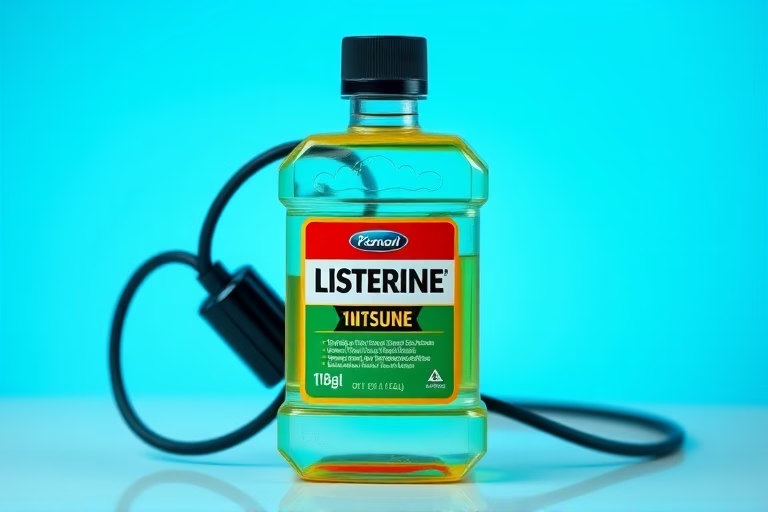
We will be talking about does Listerine cause high blood pressure. Listerine is a popular mouthwash brand that has been widely used for oral hygiene purposes. It contains several active ingredients, such as menthol and eucalyptol, which are known for their antibacterial properties. Despite its benefits in combating oral issues like plaque and gingivitis, concerns have arisen about whether prolonged use of Listerine could elevate blood pressure levels. High blood pressure, or hypertension, is a condition in which the force of the blood against the artery walls is consistently too high, which can lead to severe health issues, including heart disease and stroke. Understanding the potential relationship between Listerine and blood pressure is crucial for consumers who prioritize both oral and overall health.
1. Understanding Hypertension and Its Causes
Hypertension, commonly referred to as high blood pressure, is a serious health condition affecting millions worldwide. It occurs when the pressure of the blood in the arteries is consistently too high, often without noticeable symptoms. Among the causes of hypertension are genetic factors, poor diet, lack of physical activity, and excessive alcohol and tobacco use. Stress also plays a significant role in blood pressure levels. Additionally, the consumption of high-sodium foods can lead to increased blood pressure. Managing hypertension is crucial since it can lead to severe health consequences like heart attacks and strokes. People must monitor their blood pressure regularly, especially if they have risk factors.
2. What Are the Ingredients in Listerine?
Listerine contains several active and inactive ingredients designed to target bacteria and maintain oral hygiene. The primary active ingredients include alcohol, which acts as an antiseptic, eucalyptol, menthol, and thymol, all of which help in killing bacteria and freshening breath. Alcohol-based mouthwashes like Listerine are known for their strong bactericidal properties, but this very characteristic raises questions about their effect on overall health, particularly cardiovascular health. Some studies suggest that excessive use of alcohol in mouthwash may lead to increased blood pressure in susceptible individuals. Therefore, understanding the ingredients in Listerine helps in assessing its potential risks and benefits.
3. Does Alcohol in Mouthwash Affect Blood Pressure?
Alcohol is one of the primary ingredients in many mouthwashes, including Listerine. While it effectively kills bacteria, it may also have implications for blood pressure. Prolonged exposure to high alcohol consumption has been associated with increased hypertension risk. Those who use mouthwash excessively might be inadvertently exposing themselves to alcohol levels that could affect their blood pressure. Additionally, alcohol consumption can trigger the release of hormones that constrict blood vessels, further exacerbating hypertension. It is essential to use mouthwash as directed and maintain moderation to ensure better health outcomes.
4. The Connection Between Oral Hygiene and Cardiovascular Health
Oral hygiene significantly impacts overall health, including cardiovascular well-being. Poor oral hygiene can lead to gum disease or periodontal disease, which has been linked to heart disease. Inflammation and bacteria from the mouth can enter the bloodstream, leading to arterial plaque buildup. On the flip side, maintaining good oral hygiene through methods like regular brushing and using mouthwash can reduce these risks. However, the method of oral hygiene used, such as alcohol-based mouthwash, should be considered with caution, especially if hypertension or cardiovascular issues are present.
5. Recommendations for Safe Mouthwash Use
To minimize potential risks associated with high blood pressure, it’s essential to use mouthwash correctly. Limit the use of alcohol-based mouthwashes and choose alcohol-free alternatives if hypertension is a concern. Also, consult with a healthcare provider to determine the best oral hygiene practices for individual health profiles. Using mouthwash as part of a broader oral hygiene routine, including regular dental visits and proper brushing, is crucial. This approach ensures that oral health is maintained without significantly affecting blood pressure levels.
6. Are There Alternatives to Listerine?
For those concerned about the potential effects of Listerine on blood pressure, several alternatives can maintain oral hygiene without alcohol. Alcohol-free mouthwashes are widely available and effectively combat bacteria while being gentler on the body. Options that include natural ingredients, such as xylitol, tea tree oil, or herbal extracts, can be safe and beneficial for oral health. Additionally, practices such as oil pulling with coconut oil or simply using warm salt water can be effective alternatives. Individuals should evaluate their preferences and health conditions before choosing a mouthwash.
7. The Role of Diet in Managing Blood Pressure
Your diet plays a significant role in controlling blood pressure. Consuming a balanced diet rich in fruits, vegetables, whole grains, and lean proteins can help manage hypertension. Foods high in potassium, such as bananas and leafy greens, are beneficial in countering high sodium levels. Reducing salt intake and avoiding processed foods can also contribute positively to blood pressure control. Combining a healthy diet with appropriate oral hygiene practices ensures comprehensive health management.
8. The Impact of Stress on Blood Pressure Levels
Stress is a significant factor that can contribute to hypertension. When under stress, the body releases hormones such as adrenaline and cortisol, which cause an increase in heart rate and blood pressure. Finding effective stress management techniques is crucial, including regular exercise, mindfulness practices like yoga and meditation, and proper sleep. Managing stress levels can mitigate the adverse effects on blood pressure, making it easier to maintain overall heart health.
9. Monitoring Blood Pressure Regularly
Regularly monitoring your blood pressure can be an effective way to maintain heart health. Home blood pressure monitors allow individuals to track their readings frequently, which can provide valuable insights into what causes fluctuations in their blood pressure. Regular check-ups with a healthcare professional also help to assess overall health and adjust lifestyle factors accordingly. Being proactive about blood pressure management promotes better health outcomes and identifies potential problems before they escalate.
10. Consulting Healthcare Professionals for Personalized Advice
The best approach to managing health concerns, including the potential impacts of Listerine on blood pressure, is to consult healthcare professionals. They can offer personalized advice based on individual health conditions, lifestyle factors, and concerns regarding product ingredients. Healthcare providers can help guide dietary choices, stress management techniques, and proper oral care practices to ensure better health. If using mouthwash affects your blood pressure levels, discussing alternatives and best practices with a healthcare professional is advisable.
In conclusion, understanding the relationship between Listerine and blood pressure is vital for maintaining optimal health. Listerine, while effective for oral hygiene, contains ingredients that may pose potential risks, especially for those already susceptible to hypertension. It’s important to be aware of the alcohol content and its possible implications for blood pressure regulation. In addition, establishing a balanced diet, practicing stress management techniques, and monitoring blood pressure regularly can significantly mitigate risks. Alternatives to alcohol-based mouthwashes exist, offering effective oral care without the potential drawbacks. Consulting healthcare professionals ensures personalized strategies for maintaining both oral and cardiovascular health, leading to a more informed choice regarding Listerine and its impact. By being proactive and educated, individuals can make health-conscious decisions that align with their overall wellness goals.
Frequently Asked Questions
- Does Listerine contain alcohol?
Yes, many Listerine products contain alcohol, which acts as an antiseptic. - Can using mouthwash raise my blood pressure?
Excessive use of alcohol-based mouthwash could potentially affect blood pressure, especially in sensitive individuals. - What alternatives are there to Listerine?
Alcohol-free mouthwashes and natural alternatives like coconut oil can effectively maintain oral hygiene. - How often should I monitor my blood pressure?
Regular monitoring is recommended, especially if you have risk factors for hypertension. - Should I consult a dentist about mouthwash?
Yes, consulting a dentist can provide insights tailored to your oral health and potential dental care practices.
Further Reading
What Type of Psychotherapy Is Best for Anxiety?