





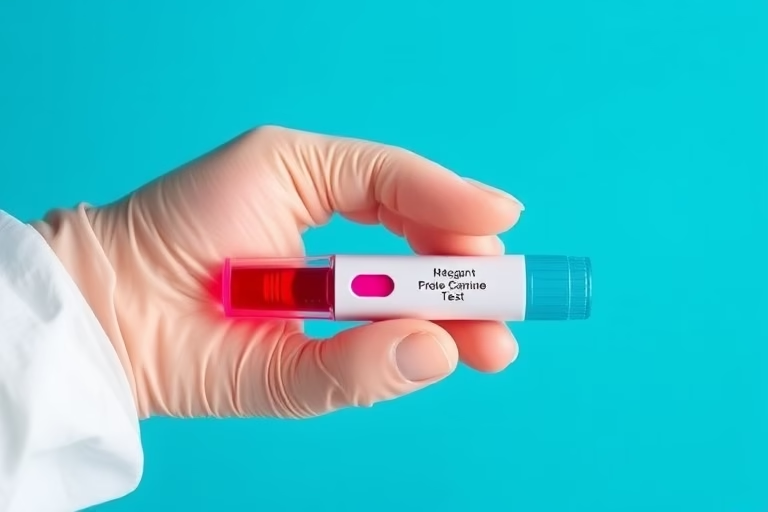
The e2 blood test IVF is a critical element in understanding and managing fertility treatments, particularly in vitro fertilization. This test measures the levels of estradiol, an important hormone in the menstrual cycle and pregnancy. Estradiol plays a vital role in reproductive health by regulating the growth and functioning of the ovaries, impacting the quality of eggs produced. An optimal level of estradiol is necessary for a successful IVF cycle as it ensures the body is in the right condition for implantation and pregnancy. Analyzing the estradiol levels can also guide doctors in adjusting treatment protocols, making it central to achieving reproductive goals in IVF. Understanding the e2 blood test in the context of IVF can be empowering for individuals undergoing fertility treatments and can aid in making informed decisions about their health and treatment plans.
What is the E2 Blood Test?
The E2 blood test, also known as the estradiol test, measures the concentration of estradiol in the bloodstream. Estradiol is the most significant form of estrogen, a hormone crucial for reproductive health. This test is often performed during different phases of the menstrual cycle and is particularly relevant in assisted reproductive technologies such as IVF. The results of the E2 test can indicate how well the ovaries are functioning and can be used to monitor ovarian stimulation during IVF. Understanding the levels of estradiol can help fertility specialists optimize treatment protocols, enabling them to tailor medications to better meet the patient’s specific needs.
In IVF treatments, tracking estradiol levels can reveal how many follicles are developing, aiding in the timing of egg retrieval. A low e2 level can suggest insufficient ovarian response, while a high level may indicate the risk of complications like ovarian hyperstimulation syndrome. Monitoring these levels provides essential insight into the patient’s hormonal balance and guides the overall IVF process, making the E2 blood test a critical component of fertility assessments.
Importance of Estradiol in IVF
Estradiol is integral to successful IVF outcomes. This hormone governs several key processes in the reproductive system, including the regulation of the menstrual cycle and supporting the conditions necessary for pregnancy. During IVF, accurate estradiol levels indicate how well the ovaries are responding to stimulation medication. Proper E2 levels correlate with optimal follicle development and egg quality, making it crucial for fertility specialists to monitor.
When initiating an IVF cycle, fertility clinics often use hormone medications to stimulate the ovaries and promote the development of multiple follicles. As these follicles mature, they produce estradiol. Measuring the hormone levels helps doctors determine if adjustments are needed in the medication protocols. If levels are low, it may indicate insufficient follicular growth, which could necessitate a change in dosage or type of medication. Conversely, excessively high E2 levels might require careful monitoring to prevent ovarian hyperstimulation syndrome.
Understanding estradiol’s impact on the success of an IVF treatment can significantly influence potential outcomes. For women with optimal E2 levels, the chances of successful implantation and pregnancy increase, emphasizing the importance of the E2 blood test in monitoring reproductive health.
How to Prepare for the E2 Blood Test?
Preparing for an E2 blood test typically involves scheduling the testing for a specific time during the menstrual cycle. Your healthcare provider will often recommend the timing, as estradiol levels fluctuate throughout the cycle. It is essential to follow these guidelines for accurate results. For optimal accuracy, blood samples for the E2 test are usually drawn during the follicular phase of the menstrual cycle unless otherwise specified.
Prior to the test, you might be advised to avoid certain medications that can affect hormone levels. These can include hormonal birth control, hormone replacement therapies, and some fertility medications. Always consult your doctor about any prescription or over-the-counter medications you are taking prior to testing.
Hydration can also play a role in preparation. Drinking enough water can facilitate easier blood draw. Ensure you have a balanced diet leading up to the test, as nutrients can influence hormone levels, making your results more reliable.
Understanding these preparation steps can help you feel confident and ready for your E2 blood test, paving the way for informed decisions regarding your IVF process.
What Do E2 Blood Test Results Mean?
The results of an E2 blood test can vary widely depending on the phase of the menstrual cycle and individual health conditions. In general, normal estradiol levels for premenopausal women can range from 30 to 400 pg/mL, while postmenopausal women may have levels below 20 pg/mL. When interpreting E2 test results, several factors come into play.
In the context of IVF, low estradiol levels may indicate inadequate response to ovarian stimulation, suggesting fewer follicles are developing. This situation might necessitate altering the treatment plan or adjusting medication doses. Low estradiol can also reflect underlying hormonal imbalances, which may need to be addressed before proceeding with fertility treatments.
Alternatively, high estradiol levels, especially when observed alongside symptoms like abdominal bloating or weight gain, can indicate the risk of ovarian hyperstimulation syndrome, a potentially dangerous condition that can arise from excessive ovarian stimulation. In such cases, healthcare providers may monitor the patient closely and may delay or adjust the IVF cycle as necessary.
Understanding the implications of E2 test results is crucial for both patients and providers, as it enables tailored approaches to optimize reproductive health during IVF.
Frequency of E2 Testing in IVF
The frequency of E2 testing during an IVF cycle varies based on individual treatment protocols and responses to medication. Generally, patients undergoing ovarian stimulation will have their estradiol levels monitored regularly to ensure optimal follicular development. E2 testing may occur at multiple points throughout the stimulation phase, typically every few days, to track hormone levels as they rise or fall.
Your healthcare provider will communicate the schedule for testing based on your specific protocol. For instance, initial tests may take place shortly after beginning hormonal medications, with follow-up tests scheduled as the treatment progresses. These frequent checks help doctors evaluate the response to stimulation drugs and make necessary adjustments.
In some cases, additional estradiol testing may also be performed pre- and post-egg retrieval to monitor recovery and evaluate hormonal levels following minor surgical procedures. Understanding your testing schedule is critical as it affects how you prepare physically and mentally for the IVF process.
What Role Does Estradiol Play in Egg Quality?
Estradiol plays a critical role in enhancing egg quality, which can have a significant impact on IVF success rates. High levels of estradiol are associated with the development of healthy follicles, which in turn produce quality oocytes. Healthy eggs are vital for fertilization and implantation, making estradiol levels a concerning factor in fertility treatments.
Follicles naturally produce estradiol as they mature. Hence, monitoring E2 levels provides insights into the quantity and quality of eggs being produced. When undergoing controlled ovarian stimulation during IVF, rising estradiol levels demonstrate that follicles are developing appropriately. Conversely, inadequate estradiol production can indicate compromised egg quality or insufficient follicular development.
Understanding the connection between estradiol and egg quality can empower individuals undergoing IVF to actively participate in their treatment plans. By recognizing the importance of healthy estradiol levels, patients can discuss strategies with their healthcare providers to enhance fertility outcomes.
Is the E2 Blood Test Safe?
Yes, the E2 blood test is generally safe and poses minimal risk to the patient. The procedure involves a simple blood draw, which is a standard practice in medical diagnostics. Most individuals experience slight discomfort at the needle site, but severe complications are rare. While some may have concerns about potential adverse effects, it’s important to understand that this test provides critical information for managing fertility effectively.
As with any medical procedure, patients should follow post-test instructions from their healthcare provider to ensure a smooth recovery. Monitoring informs necessary adjustments in treatment plans, empowering individuals to take a proactive approach in their fertility journey.
Final Thoughts
The E2 blood test is indispensable for assessing estradiol levels during IVF treatments. Understanding how this hormone influences various aspects of fertility can significantly enhance the chances of success. Estradiol governs ovarian function, egg quality, and the overall conditions necessary for conception. By monitoring estradiol levels during IVF, healthcare providers can personalize treatment protocols and support consistent tracking of ovarian response.
Preparing for the E2 blood test is essential in ensuring accurate results. Following guidelines regarding timing, hydration, and medication can help facilitate a smooth testing process. Recognizing what the results may signify allows for informed conversations between patients and providers, enabling collaborative decision-making. A thorough understanding of the testing schedule helps align personal expectations with treatment goals for IVF.
Potential risks associated with the E2 blood test are minimal, as this straightforward procedure is largely considered safe. The vital insights gained from monitoring estradiol levels make it an essential tool in the fertility treatment toolbox. Couples navigating the complexities of IVF can benefit significantly from a better grasp of the e2 blood test, its interpretation, and its implications for reproductive success.
Frequently Asked Questions
You will receive a simple blood draw. Most individuals report slight discomfort at the needle site, similar to that of any blood test.
Results are usually available within a few hours to a couple of days, depending on the clinic’s procedures.
Generally, there are no dietary restrictions, but it’s best to consult your healthcare provider for specific instructions.
This varies by individual treatment plans, but expect testing every few days during ovarian stimulation phases.
Your healthcare provider will discuss the meaning of abnormal results and consider adjustments to your treatment protocol.
Further Reading
What Type of Psychotherapy Is Best for Anxiety?