





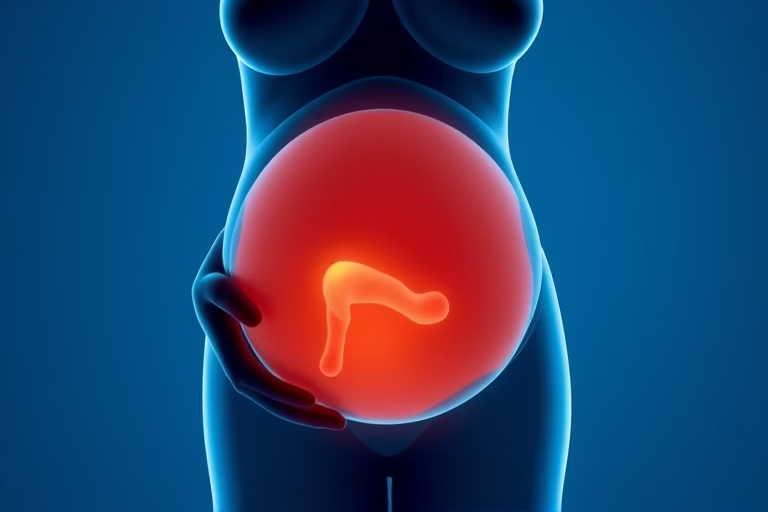
Ectopic pregnancy in the context of In Vitro Fertilization (IVF) presents unique challenges and concerns for individuals seeking to conceive. Ectopic pregnancies occur when a fertilized egg implants outside the uterine cavity, most commonly in the fallopian tube. This condition can pose significant health risks to the mother and is a serious complication of early pregnancy. When IVF is involved, the likelihood of ectopic pregnancy may increase due to various factors including assisted reproductive technology and existing fertility issues. Understanding ectopic pregnancy in the framework of IVF is crucial for those considering this pathway to parenthood.
Ectopic pregnancy IVF can lead to both emotional and physical distress. Clinical intervention is critical for managing ectopic pregnancies effectively. Misdiagnosis of an ectopic pregnancy can lead to maternal health complications including internal bleeding. Hence, it is important for those undergoing IVF to be informed about the warning signs, risk factors, and treatments available. With the correct knowledge, patients can ensure timely medical attention.
Understanding Ectopic Pregnancy
An ectopic pregnancy occurs when a fertilized egg implants outside the uterus. In about 95% of cases, an ectopic pregnancy occurs in a fallopian tube, leading to potential rupture and significant health risks. In many cases, medical intervention is necessary to prevent complications. Factors contributing to ectopic pregnancies include previous pelvic surgeries, certain infections, and fertility treatments like IVF. Learning how ectopic pregnancies develop, particularly in patients using assisted reproductive technologies, is vital for those attempting to conceive through IVF.
The emotional toll of an ectopic pregnancy, often leading to feelings of loss, can compound the complexity of dealing with infertility. Understanding these aspects of ectopic pregnancy is essential as individuals navigate their unique family planning journeys.
Risk Factors for Ectopic Pregnancy
Patients considering IVF should be aware of various risk factors that may increase the chances of ectopic pregnancy. These include:
- Previous ectopic pregnancies.
- Pelvic inflammatory disease (PID).
- Previous surgeries in the reproductive tract.
- Contraceptive use, especially the intrauterine device (IUD).
- Age, with higher rates of ectopic pregnancy noted in women over 35.
Identifying these risk factors allows for proactive measures to be taken during IVF planning. Regular consultations with fertility specialists can help monitor and mitigate these risks.
Signs and Symptoms of Ectopic Pregnancy
Numerous warning signs may indicate an ectopic pregnancy. Recognizing these symptoms is critical:
- Sharp or stabbing pain in the abdomen or pelvis.
- Vaginal bleeding that may be lighter or different from a normal menstrual period.
- Fatigue or dizziness, signs of internal bleeding.
- Shoulder pain, which may occur when blood pools in the abdomen.
Being vigilant about these symptoms can lead to early detection and potentially life-saving medical intervention. Women undergoing IVF treatments need to consult their providers if experiencing any unusual symptoms post-implantation.
Diagnosis of Ectopic Pregnancy
The diagnosis of ectopic pregnancy generally involves a combination of blood tests and imaging studies. Healthcare providers may use:
- Serum hCG (human chorionic gonadotropin) tests to measure pregnancy hormone levels.
- Ultrasound examinations to locate the position of the embryo.
It is essential for patients to communicate any concerning symptoms or previous risk factors to their healthcare providers. Additionally, early diagnoses can help mitigate severe complications from ectopic pregnancies.
Treatments for Ectopic Pregnancy
Treatment options for ectopic pregnancies depend on various factors such as the size and location of the ectopic tissue. Possible treatments include:
- Medication: Methotrexate can be used to halt the growth of the ectopic tissue.
- Surgery: In cases of rupture or severe symptoms, surgical intervention, either laparoscopic or abdominal, may be required.
- Monitoring: In some situations where the condition is stable, healthcare providers may monitor the situation closely and act only if necessary.
Discussing the best treatment plan during IVF consultations is essential for optimal patient outcomes.
Emotional Impacts of Ectopic Pregnancy
Facing an ectopic pregnancy can evoke a range of emotions, including grief and anxiety, especially for those undergoing IVF after struggling with infertility. Seeking psychological support from therapists, support groups, or community resources can provide valuable coping strategies during this challenging time. Understanding the emotional aspects of ectopic pregnancy can lead to a more compassionate healthcare approach, ensuring that all affected individuals receive the attention they need for their mental well-being.
Future Pregnancies after an Ectopic Pregnancy
Concerns about future pregnancies after experiencing an ectopic pregnancy are common. While ectopic pregnancy can impact future fertility, many women go on to have successful pregnancies. It is crucial to discuss individual risks and concerns with a healthcare provider experienced in fertility care to ensure proper tracking and support during subsequent pregnancies.
Preparing for future pregnancies can help alleviate anxiety, as many women are capable of conceiving after an ectopic pregnancy with the right medical guidance.
Preventing Ectopic Pregnancy
While not all ectopic pregnancies are preventable, certain measures can reduce risks:
- Regular check-ups and proper treatment for infections.
- Education regarding reproductive health and family planning.
- Prompt reporting of unusual symptoms during early pregnancies.
In practice, these steps can foster a more informed approach to fertility treatments like IVF.
Final Thoughts
Understanding ectopic pregnancy and its implications for individuals undergoing IVF is vital. By recognizing risk factors, symptoms, and potential treatments, patients can navigate this journey more effectively. Early detection and appropriate interventions can mitigate severe complications associated with ectopic pregnancies, emphasizing the importance of consultations with healthcare professionals.
Emotional support is equally essential during this process, as the feelings associated with both infertility and ectopic pregnancy can be overwhelming. Resources are available for mental health support, which should not be overlooked by those affected.
Future family planning does not have to end after an ectopic pregnancy. Many individuals achieve successful pregnancies through continued medical guidance and personal patience. It is a journey that requires knowledge, reassurance, and support from healthcare providers and loved ones alike.
Frequently Asked Questions
What is an ectopic pregnancy?
An ectopic pregnancy is a pregnancy that occurs outside the uterus, often in a fallopian tube, and can pose serious health risks.
How does IVF increase the risk of ectopic pregnancy?
IVF can increase the likelihood of ectopic pregnancy due to previous fertility issues or the specific techniques used during embryo transfer.
What are the symptoms of an ectopic pregnancy?
Symptoms may include sharp abdominal pain, vaginal bleeding, fatigue, and shoulder pain. Prompt consultation with a healthcare provider is recommended if these occur.
Can I still have a healthy pregnancy after an ectopic pregnancy?
Yes, many women can conceive normally after an ectopic pregnancy with the help of medical guidance and monitoring.
What treatments are available for ectopic pregnancy?
Treatments typically include medication (e.g., methotrexate) or surgical procedures, depending on the circumstances surrounding the ectopic pregnancy.
Further Reading
What Type of Psychotherapy Is Best for Anxiety?