foods high in potassium can help your heart and muscles work well. Potassium is a mineral that helps your body in many ways. It keeps your fluid balance right. It helps your nerves send messages. It helps your muscles move well. It helps keep your heart beat in a good rhythm. You can get potassium from many foods. Fruits like bananas and kiwi give you potassium. Some vegetables like potatoes and spinach also give you potassium. Beans and lentils are a good source too. Dairy foods like milk and yogurt add more. Fish like salmon and tuna have potassium as well. You need the right amount each day. Too little or too much can cause problems. Most healthy people get enough from food. But people with kidney problems or on some drugs must be careful. They may need to limit how much they eat. This article will help you learn where to find potassium. It will show why it matters. It will give tips on how to eat a balanced diet. It will tell you when to call a doctor for help. This guide will cover how much you need. It will list top items to eat. Learn more now.
Key Takeaways
| Takeaway | Details |
|---|---|
| Rich Food Sources | Include foods high in potassium like beans and potatoes. |
| Kidney Care | People with kidney disease must watch foods high in potassium. |
| Blood Pressure | Potassium can support healthy blood pressure when paired with lower sodium. |
What Is Potassium and Why Does It Matter?
Potassium is a mineral and an electrolyte. Electrolytes are salts that carry a tiny electric charge. This charge helps nerves send signals. It also helps muscles move. It keeps fluid in and out of cells in balance. Almost all potassium is inside body cells. The kidneys work to keep blood potassium at the right level.
Potassium helps the heart beat with a steady rhythm. It helps blood vessels stay flexible. That is key for stable blood pressure. It also helps nerves in your brain and muscles talk to each other. A lack of potassium can make you feel weak. It can cause muscle cramps or changes in heart rhythm.
Most healthy people can meet needs by eating foods that have potassium. You do not need pills or fancy drinks unless a doctor tells you. Whole foods have other benefits too. They bring in fiber, vitamins, and other minerals.
How Much Potassium Do Adults Need?
The U.S. Office of Dietary Supplements sets Adequate Intake levels. Men age 19 and older need about 3400 mg per day. Women age 19 and older need about 2600 mg per day. Pregnant women need about 2900 mg per day. Lactating women need about 2800 mg per day.
These numbers can change if you have a health condition. People with kidney disease may need less. They can get high blood potassium if they eat normal amounts. A doctor or dietitian will give a target for you.
You can use data from food tables to track your intake. The USDA FoodData Central has values for most foods. Check the serving size and brand. A large baked potato with skin can give you over 900 mg. A cup of cooked spinach can give about 840 mg. A banana gives about 420 mg. Dairy, beans, fish, and some fruits also add good amounts.
Foods High in Potassium: Fruits and Vegetables
A wide range of foods high in potassium can support muscle and nerve function. Vegetables like potatoes and sweet potatoes are rich sources. Leave the skin on for more potassium. A medium baked potato with skin has about 925 mg.
Leafy greens like spinach and Swiss chard are also great. One cup of cooked spinach has about 840 mg. Winter squash such as butternut or acorn squash can give you 600 mg per cup.
Fruits such as bananas, cantaloupe, kiwi, apricots, and prunes are easy to add. One medium banana has about 420 mg. Half a cup of cantaloupe has around 425 mg. These fruits also bring vitamin C and fiber.
For more on potatoes, see our article on purple potatoes. They can be a tasty way to get more nutrients.
Is a Banana the Best Source of Potassium?
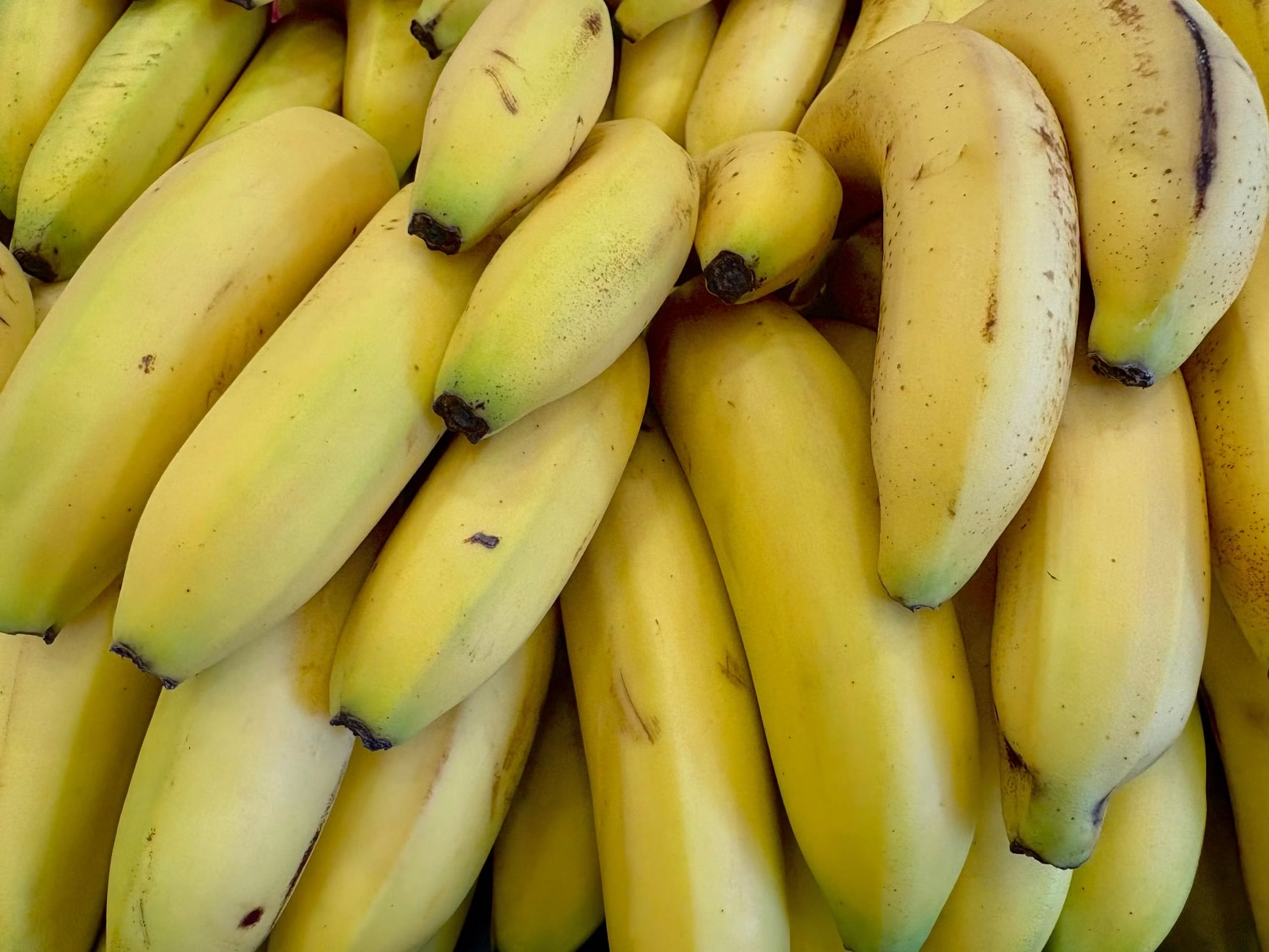
Bananas are a well known source of potassium. But they are not the top source per serving. A banana has about 420 mg. That is one quarter to one fifth of your daily need. Other foods can match or beat that.
Beans, potatoes, and dairy often have more potassium in a normal serving. Do not ignore bananas. They are a quick snack. But add a mix of fruits and veggies for more variety and benefit.
Foods High in Potassium: Beans, Dairy, Fish, and Grains
Other foods high in potassium are white beans, kidney beans, black beans, and lentils. One cup of cooked white beans has about 1000 mg. Cooked lentils give about 731 mg per cup.
Dairy foods add good amounts too. One cup of milk has about 380 mg. One cup of plain yogurt can give about 573 mg. Cheese has less but still adds some.
Fish such as salmon, tuna, and halibut also bring potassium. A 3 ounce portion of cooked salmon has about 370 mg. Tuna packs about 270 mg per 3 ounce can. These fish also give protein and omega-3 fats.
Whole grains such as bran cereals and fortified cereal can add up to 200–300 mg per serving. Check labels on products like fortified cereal and whole grain breads.
Foods High in Potassium and Blood Pressure
Including foods high in potassium in your diet may help manage blood pressure. Potassium helps the kidneys remove sodium. This can ease tension in blood vessels. The American Heart Association notes that a diet rich in fruits and vegetables can lower blood pressure over time. For best results, also cut back on salt.
Whole foods give fiber and other nutrients. They work as a team to support your heart. Do not rely on supplements alone. Talk with your doctor if you take blood pressure drugs. Some drugs can raise your blood potassium.
For advice on eating out with less salt, see low sodium fast food choices.
Low vs High Potassium: Symptoms and Causes
Low potassium is called hypokalemia. It is often due to loss of potassium. This can come from long bouts of vomiting or diarrhea. It can come from heavy sweat or certain water pills. It can come from low magnesium too.
Mild hypokalemia may not cause signs you notice. You may feel a bit tired or weak. You may have mild cramps in arms or legs. You may feel bloated or slow to go to the bathroom. A blood test is the only way to know for sure.
Severe low potassium can be serious. It can cause an irregular heart beat. It can be life threatening. You may feel fast or skipped heart beats. You may feel dizzy, faint, or short of breath.
High potassium is called hyperkalemia. It often comes from poor kidney function. It can come from some medicines like ACE inhibitors. It can come from severe injury or illness. It may show no signs. Or you may feel numb, weak, or have a fast heartbeat.
Do not try to treat low or high potassium by guessing. See a clinician for blood tests. They will guide safe treatment. This may include diet change, medicines, or in severe cases, IV care in a hospital.
Who Should Limit Potassium?
People with chronic kidney disease must limit potassium. Their kidneys cannot remove extra potassium well. If they eat normal amounts, they may get too much.
People on certain medicines also need to watch. These include ACE inhibitors, ARBs, potassium-sparing diuretics, and some antibiotics. Always ask your doctor about your diet if you take these.
Do not use salt substitutes with potassium without advice. They can raise your blood potassium too much. Check labels on “low-sodium salt” products. They often have potassium chloride.
Potassium Food Safety, Salt Substitutes, and Medication Interactions
Food-based potassium is safe for most people with normal kidneys. It rarely causes harm. Supplements can irritate the gut. Very high doses can be dangerous. Do not take over-the-counter supplements without a doctor’s advice.
Salt substitutes often swap sodium chloride for potassium chloride. This can add 300 to 1000 mg of potassium per gram. If you take an ACE inhibitor or a diuretic, talk to your care team first.
Drugs that may raise potassium include spironolactone, losartan, and some NSAIDs. See our guide on losartan and eating bananas for more on that drug-food mix.
Always read labels on packaged foods and drinks. Some sports drinks and coconut waters add sugar. They may not list all electrolytes clearly. Use whole foods as your main source.
When to Call a Doctor
Call for urgent care if you have chest pain, fainting, or severe weakness. Call if you have new or fast heartbeats. Call for severe shortness of breath or confusion. These may be signs of a serious rhythm issue.
See a clinician if you have ongoing vomiting or diarrhea. See a clinician if you feel muscle cramps or tingling. See a clinician if you take drugs that affect potassium. Do not wait to seek help for these issues.
People with kidney disease should ask their team for a list of foods to eat and avoid. They need a plan just for them. Do not follow a general high-potassium diet.
Conclusion
Eating a balanced diet with foods high in potassium can help keep your heart and muscles working well. You can get enough from fruits, vegetables, beans, dairy, and fish. Most healthy adults meet their needs with whole foods. People with kidney issues or on certain medicines need to limit potassium. They should talk to a clinician or dietitian. Always use food first, not pills, unless a doctor tells you to. Watch salt substitutes and labels. Seek help if you have chest pain, heart-rhythm issues, or severe cramps. With the right balance, you can get the benefits of potassium safely.
Sources
- National Institutes of Health, Office of Dietary Supplements — Potassium Fact Sheet for Health Professionals
- U.S. Department of Agriculture — FoodData Central
- American Heart Association — How Potassium Can Help Control High Blood Pressure
- National Kidney Foundation — Potassium in Your CKD Diet
- MedlinePlus — Potassium Blood Test