





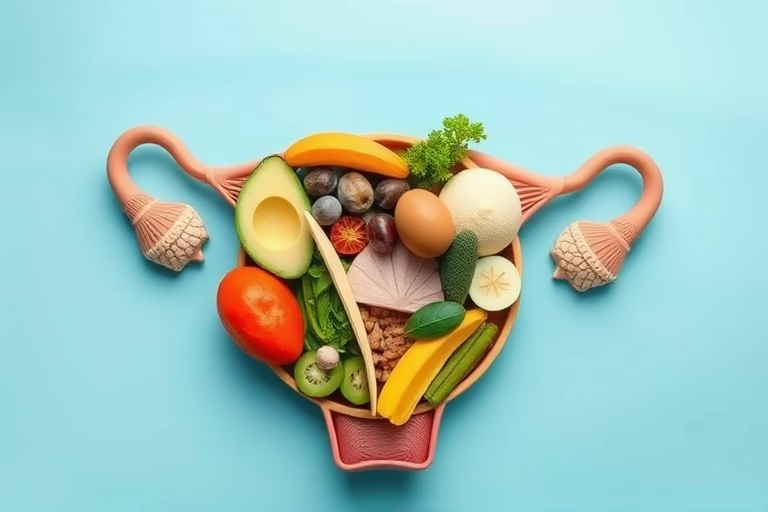
We will be talking about foods to thicken uterine lining for IVF. Preparing for IVF (In Vitro Fertilization) often involves optimizing many factors, including the health of the uterine lining. A well-developed uterine lining is crucial for successful implantation of an embryo. The uterine lining, known as the endometrium, undergoes various changes during the menstrual cycle, influenced by hormones such as estrogen and progesterone. The thickened lining is vital not just for pregnancy but also for maintaining a healthy menstrual cycle.
Many women seeking IVF may wonder what foods can aid in thickening the uterine lining. Consuming a nutrient-dense diet rich in specific vitamins and minerals can enhance the uterine environment. Certain foods can boost blood flow to the uterus, balance hormone levels, and promote overall reproductive health. In this article, we will discuss various foods and lifestyle changes that can support a healthier uterine lining, thus enhancing the chances of IVF success.
1. Leafy Greens
Consuming leafy greens like spinach, kale, and Swiss chard is beneficial for uterine health. These vegetables contain high levels of iron, calcium, and folate, which are vital for cell growth and repair. Folate, in particular, aids in DNA synthesis, essential for the development of the embryo. Additionally, these greens can help improve blood circulation, supplying nutrients to the endometrial tissues.
Increased intake of leafy greens can promote hormonal balance by supporting the body’s natural estrogen levels. The antioxidants found in these vegetables fight oxidative stress, which could negatively impact the uterine lining and overall reproductive health. Furthermore, they possess anti-inflammatory properties, reducing inflammation within the uterus and making it a welcoming environment for embryo implantation.
2. Fruits High in Antioxidants
Fruits such as berries, oranges, and pomegranates are excellent sources of antioxidants. Antioxidants play a crucial role in combating free radical damage in the body, including the reproductive system. They help maintain hormonal balance and improve blood flow to the uterus, promoting a thicker uterine lining.
Berries, particularly blueberries and strawberries, contain vitamins C and E, which are known to enhance fertility. Vitamin C improves overall reproductive health by promoting healthy hormone levels and supporting the immune system. Including a variety of antioxidant-rich fruits can lead to improved uterine health and a more favorable environment for embryo implantation during IVF.
3. Healthy Fats
Incorporating healthy fats into your diet can aid in hormone production, crucial for maintaining a thick uterine lining. Foods like avocados, nuts, olive oil, and fatty fish contain omega-3 fatty acids, which possess anti-inflammatory properties. These healthy fats promote better circulation, improving the blood flow to the uterus.
Healthy fats also help to balance hormones by providing essential fatty acids that the body needs. Hormonal equilibrium is critical for the proper function of the menstrual cycle and the growth of the endometrial lining. Regular consumption of these healthy fats can enhance reproductive health and help create an optimal environment for embryo attachment.
4. Whole Grains
Whole grains such as brown rice, quinoa, and oats are rich in fiber and essential nutrients that support reproductive health. Fiber improves digestion and helps to balance hormone levels, which is crucial for a healthy menstrual cycle. Whole grains provide steady energy and prevent blood sugar spikes, thereby helping to maintain overall well-being.
Additionally, the B vitamins found in whole grains support hormone regulation and energy metabolism. A diet rich in whole grains can assist in thickening the uterine lining by providing the body with the necessary nutrition to support reproductive functions. Incorporating these grains into daily meals can enhance the body’s ability to prepare for IVF.
5. Legumes
Legumes such as lentils, chickpeas, and black beans are packed with protein and fiber. These nutrients are essential for hormone balance and maintaining optimal health during the IVF process. The protein content in legumes is vital for tissue repair and growth, directly impacting the endometrial lining.
Legumes are also an excellent source of iron and folate, supporting the body’s ability to create new cells, which is critical for enhancing the uterine lining. Regular consumption of legumes can support healthy ovulation and menstrual cycles, contributing positively to overall reproductive health.
6. Dairy Products
Dairy products such as yogurt, cheese, and milk can provide essential nutrients necessary for reproductive health. They are rich in calcium, which is vital for hormone production and menstrual health. Consuming dairy may also aid in balancing estrogen levels, which is crucial for a thick endometrial lining.
Furthermore, fermented dairy products like yogurt contain probiotics, which support gut health and improve nutrient absorption. A healthy gut microbiome can indirectly benefit reproductive health by ensuring that the body is effectively absorbing and utilizing the nutrients required for a thickened uterine lining.
7. Protein Sources
Including various protein sources in your diet is essential for maintaining overall health and enhancing uterine lining. Lean meats, eggs, and fish provide critical amino acids necessary for tissue growth and repair. Proteins offer the building blocks your body needs to create healthy cells, including those in the uterine lining.
Integrating protein into meals can improve hormonal balance, necessary for optimal reproductive function. Additionally, certain proteins from fish promote better circulation and improve blood flow to the uterus, which can be beneficial during the IVF process.
8. Hydration
Staying adequately hydrated is fundamental to overall health and uterine function. Water plays a vital role in all bodily functions, including nutrient absorption and circulation. Proper hydration can improve blood flow to the uterus, assisting in the thickening of the uterine lining.
Dehydration can lead to a host of health issues, including hormonal imbalances which could inhibit the thickening of the endometrium. Aim for at least 8 glasses of water daily, and consider herbal teas or fresh juices for additional hydration and nutrients that can support reproductive health.
9. Supplements
While focusing on food is crucial, certain supplements can also support the thickening of the uterine lining. For example, omega-3 fatty acid supplements can aid in improving circulation and hormone balance. Vitamins E and D are also important for reproductive health; they are available in supplement form if required.
Before starting any supplements, consulting with a healthcare professional is vital to ensure they complement your dietary intake and do not interfere with any ongoing treatments. Supplements can offer additional support but should not replace a balanced diet.
10. Lifestyle Changes
Alongside dietary changes, adopting healthy lifestyle practices is essential. Regular exercise improves circulation and helps in hormonal balance, which can enhance the uterine lining. However, focusing on moderate exercise is key, as excessive strenuous activity can have the opposite effect.
Managing stress through practices like yoga and meditation can also aid balance hormonal levels. Stress has been shown to negatively impact reproductive health, therefore practicing relaxation techniques can create a better environment for pregnancy to occur.
Final Thoughts
In conclusion, enhancing the thickness of the uterine lining for IVF can be achieved through a strategic approach that includes the right foods and lifestyle choices. Leafy greens, antioxidant-rich fruits, healthy fats, whole grains, legumes, dairy products, protein sources, proper hydration, and when necessary, dietary supplements, all play important roles in promoting uterine health.
Making mindful choices about what to eat not only helps in thickening the uterine lining but also boosts overall well-being, making the body ready for potential pregnancy. Remember that maintaining a holistic approach, including managing stress and engaging in moderate physical activity, is essential alongside nutritional considerations.
If you are preparing for IVF, consider collaborating with a healthcare provider or nutritionist specializing in reproductive health. Together, you can create a personalized plan that incorporates these food recommendations along with any additional necessary lifestyle modifications to optimize your chances of success.
Frequently Asked Questions:
- What foods to avoid during IVF? It’s best to minimize processed foods, high-sugar items, and trans fats, as they can negatively impact hormonal balance.
- How long should I follow this diet before IVF? Ideally, start incorporating these foods at least three months before your IVF procedure to create the best environment for implantation.
- Can supplements replace food sources in my diet? Supplements should complement food sources, not replace them. A balanced diet provides a range of nutrients that supplements cannot fully replicate.
- Is it safe to exercise during IVF? Yes, moderate exercise is beneficial, but high-intensity workouts should be avoided; consult your doctor for personalized advice.
- How do I know if my uterine lining is thick enough for IVF? Your healthcare provider can perform ultrasounds or other tests to monitor the thickness of your endometrial lining.
Further Reading
What Type of Psychotherapy Is Best for Anxiety?