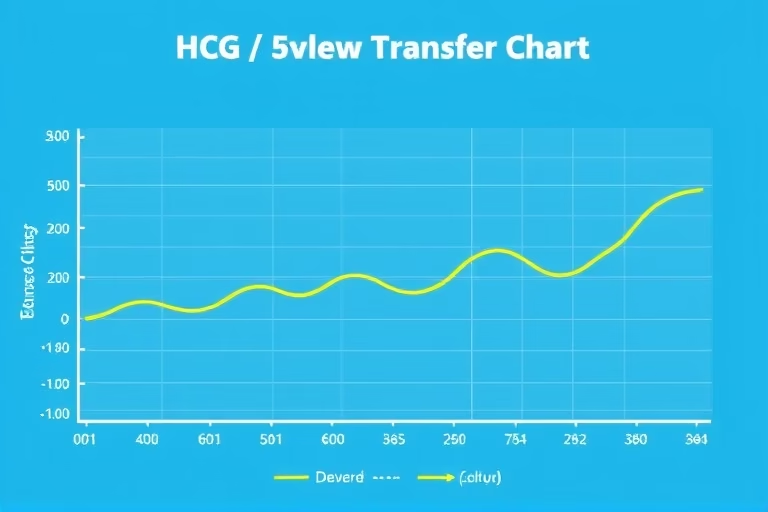
In this article, we will be discussing hCG levels after an IVF 5-day transfer chart. Understanding human chorionic gonadotropin (hCG) levels is crucial for individuals who undergo In Vitro Fertilization (IVF) procedures. This hormone is typically produced during pregnancy and can be measured through a blood test. In the context of IVF, tracking hCG levels helps to determine if implantation has occurred and the pregnancy is progressing well. The timeline of hCG tests usually follows the transfer of embryos, as doctors use these measurements to monitor early pregnancy success.
hCG levels vary from person to person and depend on various factors including the number of embryos transferred and individual hormonal responses. Therefore, it is vital to refer to established hCG level charts after a 5-day embryo transfer. This data provides insights into what range is considered normal and helps in identifying any potential problems early on. Understanding the relationship between hCG levels and pregnancy outcomes can provide reassurance and clarity during what can be an emotionally charged time in one’s life.
Understanding hCG and Its Role in Pregnancy Testing
hCG is a hormone that serves as an important indicator of pregnancy. The presence of this hormone in the body typically signifies that a fertilized egg has successfully implanted in the uterine lining. It is secreted by the cells that form the placenta shortly after implantation. Measuring hCG levels is a standard approach in confirming pregnancy following assisted reproductive technologies such as IVF.
In cases of IVF, hCG testing usually begins about 10 to 14 days post-embryo transfer. Early detection plays a crucial role in the timely management of pregnancy. If the hCG levels increase as expected, this often indicates a healthy pregnancy. Conversely, if the levels are low or do not rise adequately, it may signify a potential issue, such as a miscarriage or an ectopic pregnancy.
The use of hCG levels extends beyond just confirming pregnancy; it can also inform healthcare providers about the health of the pregnancy. Analyzing these hormone levels can help in strategizing appropriate medical interventions if needed, thus making it a vital aspect of the fertility treatment journey.
hCG Levels After 5 Day Transfer: What to Expect
After a 5-day embryo transfer, the expected hCG levels can vary considerably. Typically, on Day 10 post-transfer, hCG levels may range from 25 to 50 mIU/ml, increasing significantly by Day 14. It is essential to note that each individual’s response is unique, and variations are common.
It is not unusual for patients to feel anxious while waiting for the results of their hCG tests. It’s important to remember that there is no one-size-fits-all hCG level; many factors can influence these values, including the number of embryos transferred and the body’s response to pregnancy. Hence, understanding hCG progression rather than focusing solely on specific numbers is important.
Generally, doctors expect to see a doubling of hCG levels approximately every 48 to 72 hours during the early stages of pregnancy. This trend indicates a healthy progression of the pregnancy. In certain situations, a single hCG value may not provide sufficient information, leading to further testing required for more clarity.
The Importance of hCG Monitoring Post IVF
Monitoring hCG levels after IVF is crucial for assessing the success of the procedure. Regular check-ups and blood tests provide insights into the viability of the pregnancy. Tracking these levels can help identify any potential issues early, allowing for timely medical intervention when necessary.
In cases where hCG levels do not rise as expected, healthcare providers might advise additional testing or interventions. This ongoing monitoring can prevent complications related to ectopic pregnancies or miscarriages, ensuring that the patient receives the best possible care.
Moreover, keeping a detailed record of hCG levels allows for more tailored medical advice and treatment plans based on actual progress. This close monitoring also provides patients with the reassurance that comes from understanding their unique situation. It allows for proactive management of any arising concerns, making it an invaluable aspect of the healthcare process after IVF.
The Role of Embryo Quality in hCG Levels
The quality of embryos transferred during IVF can significantly impact hCG levels. Higher quality embryos often lead to more sustainable pregnancies, reflected in appropriately rising hCG levels. Factors that define embryo quality include cell division rates and morphology.
Understanding that embryo quality varies and influences early hCG levels can help individuals manage expectations. It can help patients recognize that even with lower initial hCG levels, positive outcomes may still occur if quality embryos were implanted.
Clinics typically use grading systems to assess embryo quality at transfer. By discussing these quality aspects with healthcare providers, patients can grasp how embryo viability may potentially influence hCG levels and pregnancy success.
Common Concerns and Misinterpretations Regarding hCG Levels
There are various misconceptions regarding hCG levels after an IVF transfer. Many individuals believe that low hCG levels equate to failure. However, it is vital to consider that every scenario is unique, and context is critical.
For example, while one individual may see an hCG level of 30 mIU/ml and feel understandably anxious, another individual in a similar situation may have a successful pregnancy with that same initial reading. This variance underlines the importance of monitoring trends rather than isolated figures. Consulting with healthcare professionals can help alleviate concerns and provide reassurance based on actual data.
Additionally, emotional fluctuations regarding hCG readings can impact mental health. It’s essential to approach this process with support, educating oneself on what to expect. This knowledge can lead to more profound understanding and acceptance, allowing patients to navigate their experiences more comfortably.
The Emotional Aspect of Monitoring hCG Levels After IVF
The journey of IVF is emotionally charged, and monitoring hCG levels adds another layer to this experience. It’s natural to experience anxiety and excitement as these results come through. Understanding that fluctuations and variations exist can provide a more balanced perspective.
It is essential for patients to seek support from friends, family, or professional counselors during this time. Sharing thoughts and feelings can significantly reduce the emotional burden associated with IVF and hCG monitoring. Healthcare providers can also play a supportive role by explaining values clearly and providing frequent updates, alleviating unnecessary fear and confusion.
Engaging in self-care practices during this time can also foster better emotional well-being. Activities such as yoga, meditation, or simple relaxation techniques can help mitigate the stress associated with the IVF process and make the journey more manageable.
Final Thoughts
Understanding hCG levels after IVF 5-day transfer is crucial for navigating the complexities of assisted reproductive technology. Monitoring these levels helps patients and healthcare professionals discern early pregnancy viability and identify potential issues promptly. Individuals should remain aware that normal hCG levels can range widely due to numerous contributing factors, including embryo quality and individual differences in hormonal responses.
By understanding the significance and context of hCG levels, patients can alleviate some anxiety surrounding the testing. It is essential to view these levels as part of a broader picture that includes embryo quality, individual health, and proper monitoring by healthcare professionals.
Open communication with medical providers regarding hCG levels and their implications significantly enhances patient understanding and satisfaction with the IVF experience. Lastly, attending to emotional health and seeking support during this journey can transform the process into a more positive experience.
Frequently Asked Questions
- What do hCG levels indicate after an IVF transfer? hCG levels indicate the presence of pregnancy and are used to monitor its progression.
- When should I check my hCG levels after an IVF transfer? It is typically advised to check hCG levels 10 to 14 days after embryo transfer.
- What if my hCG levels are low? Low hCG levels may indicate a problem, but consultation with a healthcare professional is essential for proper interpretation.
- How often should I have my hCG levels checked? This depends on the protocol of your fertility clinic, but generally, tests are done every few days to monitor changes.
- Can stress affect my hCG levels? While stress itself does not directly impact hCG levels, emotional well-being is essential for overall health during an IVF cycle.
Further Reading
What Type of Psychotherapy Is Best for Anxiety?