





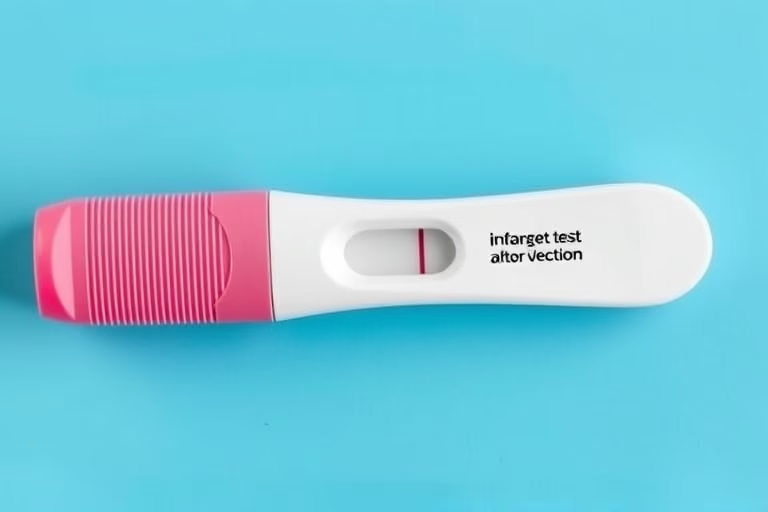
Understanding Implantation Bleeding
When we discuss *how long after implantation bleeding will a test be positive*, we are referring to a critical phase in early pregnancy. Implantation bleeding typically occurs when a fertilized egg attaches to the lining of the uterus. This process can cause light spotting or bleeding, often misinterpreted as a regular menstrual period. Understanding the timeline of implantation bleeding is essential for anyone trying to conceive or monitoring their reproductive health.
After implantation bleeding, a pregnancy test may yield different results depending on the timing. It is crucial to know when to take a pregnancy test after experiencing implantation bleeding, as early testing may lead to false negatives. Generally, hormonal detection increases over time, making it more favorable to test at the right moment for accurate results. Understanding this timeline can alleviate anxiety and help in making informed decisions.
What is Implantation Bleeding?
Implantation bleeding is a light spotting that can occur as the fertilized egg implants itself into the uterine lining. This event usually takes place around 6 to 12 days after conception, coinciding with the timing of a missed period. Many women may overlook this early sign of pregnancy, mistaking it for a lighter than usual period. The color of the blood is typically different from menstrual blood, often appearing pink or brown rather than bright red.
This blood flow is generally short-lived, lasting only a few hours or a couple of days. Identifying this bleeding can help women understand their reproductive system better, signaling the start of early pregnancy. It’s vital to distinguish between regular menstrual bleeding and implantation bleeding as it guides individuals on when to take a pregnancy test for accurate results.
Recognizing the characteristics of implantation bleeding is important. It is usually not accompanied by significant cramps or heavy bleeding, thus differing greatly from a typical menstrual cycle. If you suspect you may be experiencing this, it is recommended to monitor the timing and volume of the bleeding and consult a healthcare provider for personalized advice.
Symptoms of Implantation Bleeding
Understanding the symptoms associated with implantation bleeding can help in recognizing early pregnancy. The primary symptom is light spotting, which is noticeably less than a regular menstrual flow. The color of the blood can range from light pink to brown, indicating its older nature since it takes longer to exit the body. Women may also experience mild cramping, but this is typically less intense than menstrual cramps.
Besides spotting, some women report other early pregnancy signs such as breast tenderness, fatigue, and mood swings. These symptoms may contribute to confusion as they resemble premenstrual symptoms. It is essential to be aware of the subtleties of implantation bleeding compared to typical menstruation, as this distinction plays a crucial role in understanding whether to take a pregnancy test.
Recognizing these early signs is beneficial, especially for those trying to conceive. If bleeding occurs around the expected date of a menstrual cycle, tracking symptoms can help determine whether to take a pregnancy test sooner rather than later. Monitoring your body’s signs empowers you to make informed choices about your reproductive health.
When to Take a Pregnancy Test
After experiencing implantation bleeding, the timing of taking a pregnancy test is crucial for achieving accurate results. Typically, the best time to take a pregnancy test is around one week after implantation. This waiting period allows the human chorionic gonadotropin (hCG) hormone to rise to detectable levels in your urine.
If you take a test too early, you may receive a false negative result, leading to confusion and distress. Therefore, waiting approximately 14 days after conception or the first day of a missed period is generally recommended for optimal accuracy. Many home pregnancy tests are designed to detect hCG levels and are more reliable as time passes beyond implantation bleeding.
Consulting with a healthcare professional can also help establish the best time to test based on individual circumstances. Different brands of tests may have varying sensitivity levels, so select one that aligns with your needs. Doing so will enhance the likelihood of receiving a positive test result if you are indeed pregnant.
Types of Pregnancy Tests
There are primarily two types of pregnancy tests available to women: urine tests and blood tests. Urine tests are convenient and can be done at home, making them the most popular option. They work by detecting the hCG hormone in the urine after implantation bleeding has occurred.
Blood tests are conducted in a clinical setting and can detect lower levels of hCG than urine tests. Healthcare professionals may recommend blood tests if there’s a need for early confirmation of pregnancy or evaluation of potential complications. Blood tests can detect pregnancy as early as six days after ovulation, making them a reliable choice for those wanting immediate results.
Regardless of the type of test, understanding your body and recognizing the signs of implantation bleeding will guide the right timing for taking the test. Early detection coupled with the correct test can provide peace of mind and aids in planning for the future.
Factors Affecting Test Results
Several factors can influence the accuracy of pregnancy test results after implantation bleeding. These include how soon after the bleeding you test, the sensitivity of the pregnancy test used, and hydration levels. Testing too early can lead to false negatives as the hCG hormone may not be high enough for detection.
Additionally, the type of pregnancy test also plays a significant role. Not all tests are equally sensitive, with some being able to detect lower hCG levels than others. Most home tests are reliable, but checking the expiration date and following the exact instructions is crucial for obtaining correct results.
Hydration can also impact test results. If someone drinks excessive amounts of water before taking a test, it can dilute hCG levels in the urine and lead to inaccurate outcomes. To ensure accurate results, test at a time when urine has been concentrated, typically in the morning after waking up.
Emotional Impact of Pregnancy Testing
Taking a pregnancy test can evoke a range of emotions, especially if you’ve experienced implantation bleeding. Excitement, anxiety, and uncertainty often accompany the anticipation of test results. Understanding this emotional landscape is vital, as feelings may affect how one interprets the results, whether positive or negative.
Societal pressures and personal desires for pregnancy can heighten these emotions. Those who have been trying to conceive may feel anxiety at the possibility of a negative result. Conversely, for those who are not ready for a baby, the apprehension may lean toward hopefulness for a negative outcome.
This emotional rollercoaster emphasizes the importance of seeking support from friends, family, or even professional counselors to cope with the anxiety surrounding pregnancy testing. A support system can provide the necessary comfort during this pivotal time and help navigate the implications of the test results.
Common Misconceptions
Several misconceptions surround implantation bleeding and the timing of pregnancy tests. Many believe that heavy bleeding or cramping must accompany implantation bleeding. In reality, implantation bleeding is usually light and may not have the same intensity as a typical period.
Another misconception is that a pregnancy test can always provide an accurate result immediately after experiencing implantation bleeding. However, testing too early may yield misleading outcomes. It’s important to recognize that hormonal levels need time to rise to detectable levels for accurate testing.
Education about these misconceptions is vital for women who are trying to conceive. Accurate knowledge can guide women and help mitigate unnecessary stress and confusion. Understanding your body and the signs of pregnancy is key to achieving clarity during this journey.
Final Thoughts
In summary, understanding *how long after implantation bleeding will a test be positive* involves recognizing the intricacies of early pregnancy and the chemical changes that occur within the body. Monitoring symptoms like implantation bleeding can help women know when to test for pregnancy properly. Choosing an appropriate pregnancy test and timing it correctly is essential to achieve the most accurate results.
Women should be mindful of the emotional aspect of pregnancy testing and know that it is natural to feel anxious during this time. Building a support network can be valuable during what may feel like an uncertain journey. Evaluating facts versus misconceptions about implantation bleeding and testing will empower better decision-making. Seeking guidance from healthcare professionals can also clarify questions and improve understanding.
Ultimately, being informed allows women to take control of their reproductive health. Whether one is hoping for a positive test result or hoping to avoid pregnancy, understanding the timeline and processes involved in early pregnancy significantly contributes to making informed choices.
Frequently Asked Questions
Question 1: How soon after implantation bleeding can I take a pregnancy test?
It is advisable to wait about one week after implantation bleeding to take a pregnancy test for accurate results.
Question 2: What does implantation bleeding look like?
Implantation bleeding typically appears as light spotting that can be pink or brown, differing from the bright red color often seen during menstrual bleeding.
Question 3: Can I have implantation bleeding and not be pregnant?
Yes, while implantation bleeding can be a sign of pregnancy, other factors like hormonal fluctuations may also cause similar bleeding.
Question 4: How long does implantation bleeding last?
Implantation bleeding usually lasts a few hours up to two days, much shorter than a typical menstrual cycle.
Question 5: What should I do if my pregnancy test is negative but I suspect I am pregnant?
If your pregnancy test is negative and you suspect you are pregnant, consider retesting after a few days or consult your healthcare provider for further evaluation.
Further Reading
What Type of Psychotherapy Is Best for Anxiety?