Understanding the Invisible World Around Us
In our daily lives, we interact with hundreds of surfaces—doorknobs, smartphones, kitchen counters, and elevator buttons. It is perfectly natural to wonder what happens when we touch these items. The field of Hygiene & Sanitation teaches us that germs, which include bacteria, viruses, and fungi, are a constant part of our environment. However, not all germs are created equal, and their ability to survive on a surface depends on a variety of factors.
When we talk about “germs” surviving, we are discussing the amount of time a pathogen remains infectious. It is important to approach this topic with a balanced perspective. While it is helpful to be mindful of our environment, it is equally important not to let the fear of invisible microbes take away from our quality of life. The human body is remarkably resilient, and a healthy lifestyle—which includes components like regular Exercise & Fitness—goes a long way in supporting our natural defenses.
The Variables of Germ Survival
Why do germs survive for minutes on one surface and days on another? Several environmental factors dictate the lifespan of a microbe. The most significant of these include temperature, humidity, and the type of material the surface is made of.
Generally speaking, germs tend to thrive in environments that are cool and moderately humid. Many viruses, for example, have a protective outer layer that can break down more quickly in high heat or direct sunlight. Furthermore, porous surfaces—such as fabrics, paper, or unfinished wood—tend to trap microbes, often making them less likely to be transferred to your hands compared to non-porous surfaces like stainless steel, glass, or plastic. On non-porous materials, germs often remain on the surface, which is why we focus so much of our cleaning efforts on high-touch items like phones and light switches.
Differentiating Between Bacteria and Viruses
It is helpful to understand that bacteria and viruses behave very differently when they leave a host. Bacteria are living, single-celled organisms that can often survive for a significant amount of time if they have the right conditions. Some bacteria can enter a dormant state, allowing them to wait for a more favorable environment. Examples like Staphylococcus or E. coli can persist on surfaces for days or even weeks if the conditions are right.
Viruses, on the other hand, are technically not “alive” in the same way bacteria are. They require a living host to replicate. Once they are on a countertop or a doorknob, they are essentially in a state of decay. Their survival time is usually much shorter than that of bacteria, often measured in hours rather than days. While some respiratory viruses might remain infectious for a day or two under ideal conditions, they are generally fragile and break down relatively quickly when exposed to the air.
The Role of High-Touch Surfaces
If you are looking to focus your cleaning efforts, the best strategy is to prioritize high-touch surfaces. These are the spots that you, your family, or your coworkers touch most frequently throughout the day. By focusing on these areas, you can manage your home environment effectively without needing to sanitize every single inch of your living space.
Think about the items you handle after walking through the front door: your keys, your wallet, your phone, and the handle of your refrigerator. These are the logical places to direct your attention. If you are ever concerned about specific symptoms you are experiencing, it is always best to consult a healthcare professional. They can provide guidance tailored to your health history, which is far more accurate than any general advice found online.
Balancing Sanitation with Daily Life
While maintaining a clean home is a pillar of good health, it is important to remember that we live in a world filled with microbes. We cannot—and should not—attempt to eliminate every single germ from our environment. Our immune systems are constantly interacting with the world around us, which is a normal part of human biology. In fact, focusing on Stress Management and getting proper sleep can be just as important to your overall well-being as scrubbing your kitchen counter.
Maintaining a healthy, balanced lifestyle is your best line of defense. When you feel good, your body is better equipped to handle the occasional exposure to germs. If you find yourself becoming overly anxious about the cleanliness of your surroundings, it may be helpful to speak with a professional. Mental Health is a critical component of your overall wellness, and it deserves as much attention as your physical environment.
Practical Tips for a Healthy Home
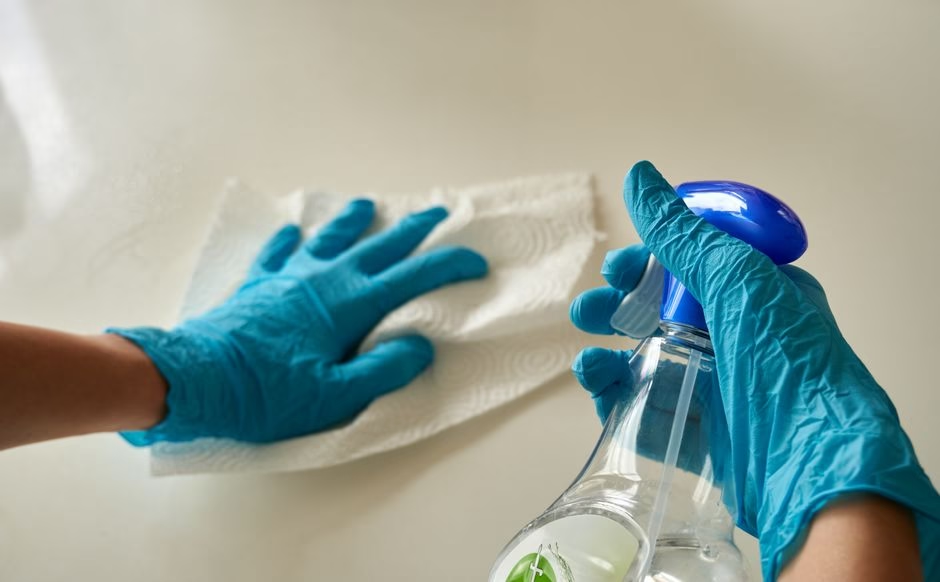
You don’t need expensive equipment or harsh chemicals to keep your home sanitary. For most everyday situations, soap and water are incredibly effective. Soap works by physically lifting germs off surfaces, and the act of rinsing them away is often enough to keep your environment safe. When you do choose to use a disinfectant, always read the product label to ensure it is being used correctly, as many products require a specific “dwell time”—the amount of time the solution must remain wet on the surface to be effective.
Remember that your personal hygiene habits are just as important as the cleanliness of your home. Frequent handwashing is the single most effective way to prevent the spread of germs. If you have been out in public or handling high-touch items, washing your hands with soap and water for twenty seconds is a gold-standard practice.
When to Seek Professional Advice
While understanding germ survival can help you make informed choices, it is not a substitute for medical care. If you are feeling unwell or have concerns about an illness, please reach out to your primary care provider. They can help you determine the cause of your symptoms and recommend the appropriate path forward. Do not rely on internet searches to diagnose yourself; your doctor is the only one who can offer a personalized assessment based on your specific health needs.
By keeping a balanced view of Hygiene & Sanitation, you can create a safe, comfortable home without the unnecessary worry. Focus on the basics, keep up with your regular health check-ups, and enjoy the peace of mind that comes with knowing you are doing what you can to keep yourself and your loved ones healthy.
A Final Perspective on Cleanliness
As we navigate our busy lives, it is easy to get caught up in the details of cleanliness. However, the goal of a clean home is to provide a sanctuary where you can relax and thrive. Whether you are prepping healthy meals in the kitchen or catching up on rest, a clean space supports these activities. Just remember that the goal is not total sterility—it is simply a matter of reducing the presence of germs where they are most likely to be transferred.
By adopting a routine that is consistent rather than frantic, you can easily manage your household hygiene. Keep high-touch surfaces in mind, wash your hands regularly, and trust that your body is well-equipped to handle the daily encounters with the world around you. When you combine these practices with a commitment to overall wellness, you are setting yourself up for success. Always prioritize your health, and when in doubt, consult with a qualified medical professional who knows your unique health background.
The Role of Material Porosity in Viral Persistence
The surface composition of an object plays a critical role in how long pathogens remain viable. Generally, porous surfaces like fabric, paper, and cardboard absorb moisture, which can dehydrate viruses and bacteria more rapidly, often rendering them inactive within hours. In contrast, non-porous, smooth surfaces such as stainless steel, glass, and hard plastics provide a stable environment for germs. Because these materials do not absorb liquid, droplets containing pathogens can retain their moisture and structural integrity for days, making high-touch items like smartphone screens, light switches, and doorknobs the most common reservoirs for cross-contamination.
Environmental Factors: Humidity and Temperature Impacts
Microorganisms are highly sensitive to their immediate climate, which dictates their lifespan outside of a host. Many respiratory viruses thrive in cooler temperatures and low-humidity environments; the lack of moisture prevents the rapid evaporation of the droplets that carry them, allowing them to linger on surfaces much longer. Conversely, high temperatures and increased humidity can destabilize the lipid envelopes of certain viruses, causing them to break down significantly faster. While you cannot control the ambient environment of every public space, understanding that winter conditions or air-conditioned offices create prime conditions for germ longevity can help you adjust your personal hygiene frequency accordingly.
This article is for general educational purposes and is not a substitute for professional medical advice. Always consult a qualified healthcare provider about your individual health needs.