Understanding Turmeric: Beyond the Spice Rack
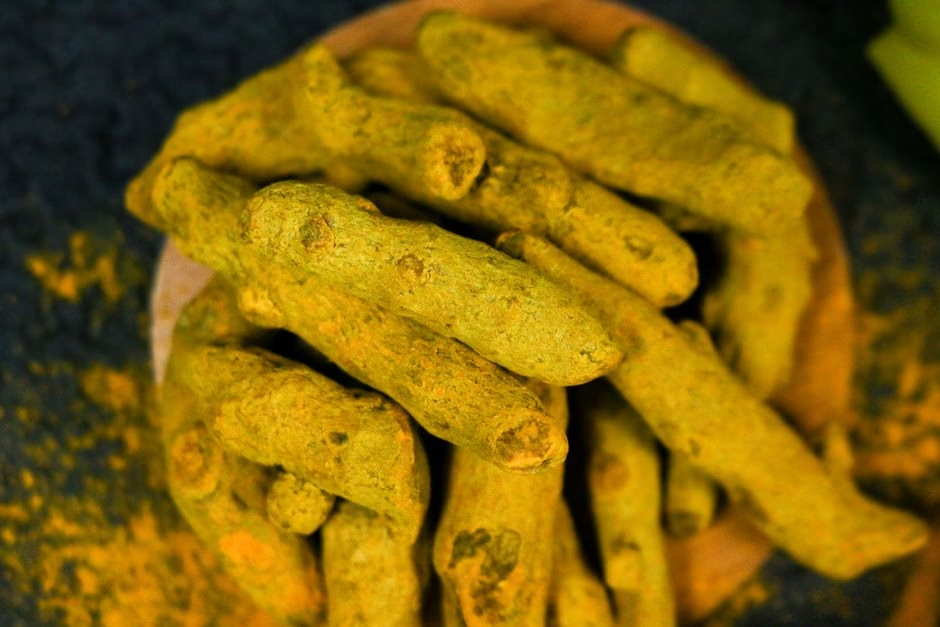
For centuries, turmeric has held a place of honor in kitchens and traditional wellness practices around the globe. Known for its vibrant golden-orange hue and warm, slightly bitter flavor, this root—a member of the ginger family—has transitioned from a staple in curry powders to a headline act in the world of Herbal Remedies. But as with many natural ingredients that gain sudden popularity, it can be difficult to separate the folklore from the hard science. If you have been curious about whether adding more turmeric to your life is worth the hype, you are certainly not alone.
At the heart of the conversation is a compound called curcumin. Curcumin is a polyphenol, a type of plant-based micronutrient that has been the focus of thousands of research studies over the last few decades. While turmeric contains a variety of compounds, curcumin is the one most widely studied for its potential biological effects. However, it is important to note that curcumin makes up only about 3% of turmeric by weight. This is a crucial distinction, as it helps explain why simply sprinkling a dash of turmeric on your food might have a different effect than the highly concentrated extracts often used in clinical trials.
The Potential of Anti-Inflammatory Properties
One of the most frequently cited benefits of turmeric is its potential to support the body’s inflammatory response. Inflammation is a natural and necessary process; it is how your body fights off pathogens and repairs damage. When you scrape your knee or catch a cold, acute inflammation is your immune system’s first line of defense. However, chronic or long-term inflammation is a different story, and it is something researchers keep a close eye on when studying various health conditions.
Studies have suggested that curcumin may help inhibit certain molecules that play a role in inflammation. Because chronic inflammation is linked to many modern health challenges, the idea that a natural compound could help modulate this process is incredibly promising. That said, it is important to manage expectations. Much of the research showing powerful anti-inflammatory effects has been conducted in laboratory settings or animal models. While these results provide a strong foundation, human clinical trials are often more complex, and results can vary depending on the individual, the dosage, and the formulation used.
Turmeric and Joint Comfort
Many people reach for turmeric in the hopes of finding relief for stiff or aching joints. This is perhaps one of the most common reasons individuals incorporate it into their wellness routines. Research into osteoarthritis has shown that curcumin may offer some support in managing joint discomfort and improving mobility. Some small-scale studies have indicated that, when combined with a balanced approach to Exercise & Fitness, turmeric supplements might help people move more comfortably throughout their day.
If you are considering turmeric for joint health, it is helpful to view it as part of a larger, holistic strategy. Staying active, maintaining a healthy weight, and ensuring your body has the right nutrients are all essential components of long-term joint health. While turmeric may act as a helpful ally, it is rarely a standalone solution. If you are experiencing persistent joint pain, it is vital to speak with a healthcare professional to identify the root cause, as they can help you determine the best course of action that is safe for your specific needs.
The Challenge of Bioavailability
A frequent point of discussion among researchers is the issue of bioavailability. In plain language, bioavailability refers to how much of a substance your body can actually absorb and put to use. Curcumin is notoriously difficult for the body to absorb. It is rapidly metabolized and eliminated, which means that even if you consume a significant amount, very little of it may reach your bloodstream.
This is why you will often see recommendations to consume turmeric alongside black pepper. Black pepper contains a compound called piperine, which has been shown in studies to significantly enhance the absorption of curcumin—by as much as 2,000% in some cases. Additionally, because curcumin is fat-soluble, it is absorbed much better when consumed alongside healthy fats, such as olive oil, avocado, or nuts. This is a great reason to prioritize Healthy Recipes that incorporate these ingredients together, rather than relying on dry powders or supplements taken on an empty stomach.
Supporting Overall Well-Being
Beyond specific symptoms, many people enjoy turmeric for its potential as an antioxidant. Antioxidants are substances that help protect your cells from oxidative stress, a process caused by free radicals. By helping to neutralize these unstable molecules, antioxidants play a role in maintaining cellular health. While the body produces its own antioxidants, dietary sources like turmeric can be a wonderful way to provide extra support.
When it comes to Stress Management, there is also emerging, albeit preliminary, research suggesting that curcumin might influence certain neurotransmitters in the brain, such as serotonin and dopamine. While it is certainly not a replacement for professional mental health support, it is an interesting area of study. The takeaway here is that turmeric is best viewed as a gentle, supportive element of a healthy lifestyle rather than a quick fix for complex physiological or mental health challenges.
Safety, Interactions, and Professional Advice
Because turmeric is a food, it is generally considered safe for most people when consumed in culinary amounts. However, when we talk about high-dose supplements, the conversation changes. Concentrated turmeric extracts can sometimes interact with certain medications, particularly blood thinners, as turmeric may have mild blood-thinning properties itself. It can also affect how your body metabolizes other drugs.
If you are pregnant, nursing, have a history of gallbladder issues, or are preparing for surgery, it is especially important to consult with your doctor before adding turmeric supplements to your routine. A healthcare provider can review your current medications and health history to ensure that any addition to your regimen is safe for you. Never substitute professional medical treatment with herbal alternatives without first discussing it with a qualified professional.
How to Incorporate Turmeric into Your Life
The most enjoyable and sustainable way to reap the benefits of turmeric is by making it a regular part of your cooking. Because it is a flavorful spice, it is incredibly versatile. You can add it to soups, stews, roasted vegetables, and grains. The classic “golden milk” or turmeric latte—made with warmed plant-based milk, a pinch of black pepper, a touch of healthy fat like coconut oil, and a dash of cinnamon—is a soothing way to enjoy it.
When cooking, try adding your turmeric toward the beginning of the process. Heat and fat help release the active compounds, making them more accessible to your body. Plus, the bright color adds a beautiful aesthetic to your meals, which is a simple way to make your kitchen time more enjoyable. Remember that consistency is key. Rather than looking for a massive, immediate change, focus on enjoying turmeric as part of a long-term, nourishing dietary pattern.
Final Thoughts on the Golden Spice
Turmeric is a fascinating plant with a long history of traditional use and a growing body of scientific evidence. It is a wonderful addition to a balanced diet, offering antioxidant support and potential benefits for joint health and inflammation. However, it is not a magic bullet. The most effective way to improve your health is through a combination of factors: consistent movement, a varied diet, adequate sleep, and medical care when necessary.
As you explore the world of natural wellness, keep an open mind but stay grounded in reality. Be wary of marketing claims that sound too good to be true, and always lean on the advice of trusted medical professionals when you have concerns about your health. By viewing turmeric as a delicious and supportive tool rather than a cure-all, you can safely and effectively incorporate this golden root into your daily life. Whether you are simmering a fragrant curry or whisking up a warm drink, turmeric is a simple, time-tested ingredient that can add both flavor and a little extra care to your wellness journey.
In summary, the science suggests that while curcumin shows promise, its true power in our daily lives often comes from being part of a broader, healthy lifestyle. By focusing on high-quality ingredients, smart food combinations, and a balanced approach to your health, you can make informed decisions that serve your body well for years to come.
Potential Impact on Cognitive Health and Brain Function
Beyond its well-known anti-inflammatory properties, emerging research suggests that curcumin may play a role in supporting long-term cognitive health. Curcumin has been shown to boost levels of brain-derived neurotrophic factor (BDNF), a growth hormone that functions in the brain to help neurons form new connections and survive. Since low levels of BDNF are linked to various brain disorders, including depression and Alzheimer’s disease, increasing these levels may help delay or even reverse age-related cognitive decline. While more clinical trials are needed to confirm these effects in humans, the ability of curcumin to cross the blood-brain barrier makes it a subject of significant interest in neurological research.
Synergistic Effects with Black Pepper for Bioavailability
One of the most critical factors when consuming turmeric is its notoriously low bioavailability, meaning the body struggles to absorb curcumin on its own. The liver and intestinal wall metabolize it quickly, often flushing it out before it can enter the bloodstream. However, research consistently demonstrates that combining turmeric with piperine—the active alkaloid found in black pepper—can increase the absorption of curcumin by as much as 2,000 percent. Because piperine inhibits the metabolic pathways that break down curcumin, it allows more of the compound to remain active in the body, which is why most effective supplemental formulations now include black pepper extract as a standard ingredient.
This article is for general educational purposes and is not a substitute for professional medical advice. Always consult a qualified healthcare provider about your individual health needs.