Key Takeaways
- Digestion typically takes 24 to 72 hours from ingestion to waste elimination.
- Factors like fat content, hydration, and activity levels significantly influence how quickly food moves.
- Eating slowly and managing stress can help prevent common digestive discomforts like bloating.
- Persistent symptoms such as severe pain or blood in stool require professional medical evaluation.
How Long Does Digestion Take?
So, you might be wondering: how long does digestion take? It’s a question that pops into many people’s minds, especially after enjoying a hearty meal. Digestion is a complex process that our bodies go through to break down food, absorb nutrients, and eliminate waste. If you’ve ever felt bloated or uncomfortable after eating, you’re probably looking for answers about how long this process really takes.
Understanding digestion can help us become more aware of our bodies and what we need to feel good after meals. The time it takes for digestion can vary from person to person and even from meal to meal! From the moment we take a bite to when our body eliminates waste, there’s a lot happening behind the scenes. Let’s break things down and explore what influences digestion and how long it typically takes.
What Does This Mean?
Digestion is the process by which our body breaks down food into smaller components so that it can absorb nutrients. It starts in the mouth, where our teeth chew the food, and enzymes in our saliva begin to break it down. The food then travels to the stomach and intestines, where it is further digested and absorbed into the bloodstream.
Generally, the digestion process can take anywhere from a few hours to a couple of days, depending on several factors. The term “digestion” includes everything from the chewing in your mouth to the time it takes your body to eliminate waste. Most people can expect the food they eat to stay in the stomach for about 2 to 4 hours before moving into the intestines, where further digestion and absorption take place.
Why Does This Happen?
One possible reason digestion can take longer for some people is the type of food consumed. Meals rich in fat, for example, often take longer to digest compared to lighter foods like fruits or vegetables. Another common factor is individual differences. Some people’s gastrointestinal (GI) systems are naturally quicker or slower than others.
Research suggests that age and level of physical activity can also play a role. For instance, older adults may experience slower digestion due to changes in their metabolism and GI health. In some people, high-stress levels or certain medical conditions can impact how quickly or slowly digestion occurs.
Common Causes
1. Type of Food: Foods that are high in fat and protein typically take longer to digest than carbohydrates. If you’ve indulged in a heavy meal, you may notice it takes longer to feel hungry again.
2. Eating Habits: How you eat can also affect digestion! Eating quickly or while distracted may lead to swallowing extra air, which can cause bloating and discomfort.
3. Hydration: Not drinking enough water can slow down digestion, as hydration is essential for producing digestive juices that help break down food.
4. Physical Activity: Being sedentary can slow your digestion. On the flip side, light exercise post-meal can help keep things moving.
5. Stress Levels: High stress can affect your digestive system by causing the gut to work less efficiently. Managing stress can be key to digestive health.
Signs and Symptoms to Watch For
Common symptoms that people may experience while digesting food include:
- Bloating
- Gas
- Heartburn
- Stomach cramps
- Constipation or diarrhea
While occasional discomfort is normal, symptoms that are persistent or worsening may need a closer look. If you find yourself frequently experiencing these symptoms after meals, it might be time to consult a healthcare professional.
What Can Make It Worse?
There are several lifestyle and dietary factors that could contribute to longer digestion times or digestive discomfort:
- Diet: Diets high in processed foods or sugar can slow down digestion.
- Eating Habits: Taking large bites and eating too quickly may strain your digestive system.
- Hydration: Lack of fluids can lead to harder stools, which slow down digestion.
- Sleep: Poor sleep can disrupt digestive health, making it less efficient.
- Physical activity: Regular movement helps stimulate digestive processes.
Foods and Drinks Related to Digestion
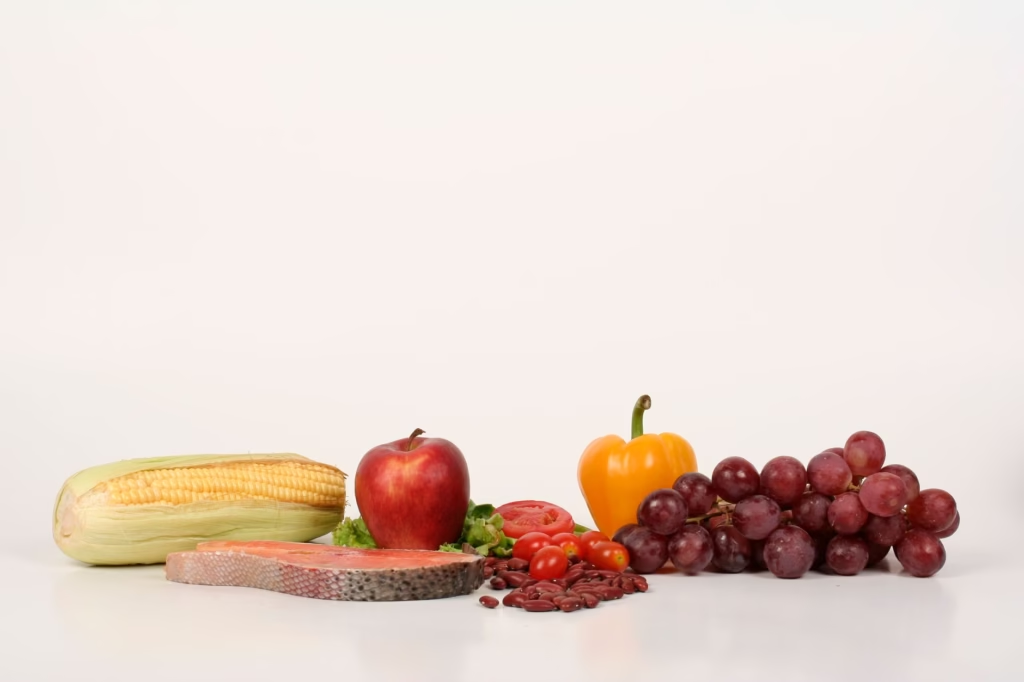
When it comes to food, your digestive system can react differently. Some foods tend to speed up digestion, while others may slow it down. High-fiber foods, like fruits, vegetables, and whole grains, can help keep things moving smoothly through your intestines. On the other hand, spicy foods, high-fat meals, and dairy products may lead to digestive discomfort for some people.
It’s important to remember that everyone’s body is different. One person may find that dairy causes them to bloat while another has no issues at all. Listening to your body and noticing how it reacts to different foods can help you make better choices for your digestive health.
What Can We Do?
Here are some practical steps you can take to support healthy digestion:
- Eat Slowly: Take your time to chew your food well and savor each bite.
- Stay Hydrated: Drinking plenty of water helps digestion. Aim for at least 8 cups of water a day.
- Incorporate Fiber: Include fiber-rich foods in your diet, such as fruits, vegetables, legumes, and whole grains.
- Engage in Light Exercise: A light walk after meals can help stimulate digestion.
- Manage Stress: Practice techniques like deep breathing, yoga, or meditation to help ease stress.
When Should You See a Doctor?
It’s always wise to consult a healthcare professional if you experience any of these warning signs:
- Severe or persistent abdominal pain
- Blood in your stool
- Unexplained weight loss
- Frequent vomiting
- Difficulty swallowing
- Persistent diarrhea or constipation
If something feels off, it’s best to reach out for medical advice rather than trying to tough it out on your own.
Frequently Asked Questions
Why am I always bloated after eating?
Bloating can result from eating too quickly, consuming high-fat meals, or food intolerances. It’s key to identify what foods may be affecting you.
Can food cause slow digestion?
Absolutely! Foods that are rich in fats or processed sugars can slow down the digestive process.
When should I worry about digestion issues?
If you experience persistent symptoms like pain, bloating, or changes in bowel habits, it’s time to speak with a doctor.
How long does it take for the body to digest food?
On average, digestion takes about 24 to 72 hours, depending on various factors like food type and individual health.
Does age affect digestion speed?
Yes! Digestion can slow down with age due to changes in metabolism and gut health.
Can medication affect digestion?
Some medications can slow digestion or cause digestive symptoms, so it’s important to talk to your doctor if you have concerns.
Is exercise beneficial for digestion?
Yes! Regular physical activity can help keep your digestive system functioning well and can alleviate constipation.
Does stress really affect digestion?
Yes! High levels of stress can lead to issues like bloating and indigestion, as it changes how your body functions.
What the Research Says About Digestion
Research shows that individual digestion can vary significantly. A systematic review published by the American Gastroenterological Association indicates that factors such as diet, stress levels, and physical activity significantly influence digestive efficiency and comfort (American Gastroenterological Association, 2017). Additionally, children may experience faster digestion compared to adults, as their metabolism and gastrointestinal systems work differently.
Simple Daily Habits That May Support Better Health
Adopting certain daily habits can contribute to healthier digestion. Begin with small changes, such as:
- Mindful eating: Focus on your meal without distractions.
- Regular meal times: Try to eat at similar times each day.
- Prioritizing sleep: Aim for 7-9 hours of quality sleep each night.
- Managing portion sizes: Eating smaller portions can reduce strain on your digestive system.
Final Thoughts
We often take our digestive health for granted, but understanding how long digestion takes can empower us to make better choices for our bodies. By paying attention to what we eat and how we eat it, we can support our digestion and overall well-being. If we notice that something feels off, reaching out to a healthcare professional can help us get to the bottom of the issue. Remember, everyone’s body is unique, and what works for one person may not work for another.
Our digestive system plays a vital role in our health, so let’s take care of it by making informed choices, managing stress, and staying active. Healthy digestion is just a few mindful habits away!

Sources and References
American Gastroenterological Association: Nutrition and the Gut. 2017. https://www.gastro.org
Mayo Clinic: Digestive Health Information. Update 2023. https://www.mayoclinic.org
National Institutes of Health: Understanding Digestion. 2023. https://www.nih.gov
CDC: Food Safety and Digestion. 2023. https://www.cdc.gov
Harvard T.H. Chan School of Public Health: Healthy Eating Plate Overview. 2023. https://www.hsph.harvard.edu

Medical Disclaimer
This article is for general educational and informational purposes only. It is not intended to provide medical advice, diagnosis, or treatment. Health conditions can affect people differently, and information that is appropriate for one person may not be appropriate for another. If you have persistent, severe, or concerning symptoms, speak with a qualified healthcare professional for personalized advice.
Further Reading
Ivf Shot Schedule: 10 Things You Should Know
Omeprazole and Alcohol: Is It Safe to Mix?
what does a growth spurt in pregnancy feel like
Photo by cottonbro studio on Pexels.
Frequently Asked Questions
Does chewing gum affect how long digestion takes?
Chewing gum is generally not digested and passes through the system at the same rate as other foods. However, swallowing excessive air while chewing may lead to temporary bloating or gas.
Should I avoid raw vegetables if I have slow digestion?
Some people find raw vegetables difficult to break down because of their high fiber content. If you experience discomfort, try steaming or roasting your vegetables to soften the fibers before eating.
Can drinking water during a meal dilute digestive enzymes?
Drinking water with a meal does not dilute your digestive enzymes or stomach acid. In fact, staying hydrated is essential for helping your body break down food and move it smoothly through the digestive tract.
Is it normal for digestion to be faster after a high-sugar meal?
Simple sugars are absorbed quickly, which may lead to a rapid spike in energy. However, this does not necessarily mean your overall digestive process is more efficient, and it can sometimes lead to an energy crash later.
The Bottom Line
Understanding the timeline of digestion helps you make informed choices that support your comfort and well-being. By focusing on hydration, mindful eating, and regular movement, you can help your body function at its best. If you ever feel concerned about persistent symptoms, reaching out to a doctor is always the right step to ensure your digestive health stays on track.
Note: This article is for general information only and is not medical advice. See a qualified health professional about your own situation.