Key Takeaways
- Popcorn is a low-calorie snack when air-popped.
- Seasoning and preparation methods greatly affect calorie count.
- Portion control is key to enjoying popcorn as part of a balanced diet.
- Check nutrition labels for accurate calorie information.
How Many Calories in a Bag of Popcorn
When you’re enjoying a movie night or an afternoon snack, you might wonder, “How many calories in a bag of popcorn?” This question is common among snack lovers who are mindful of their caloric intake. The answer can vary based on several factors, including the preparation method and serving size. In this article, we will explore the calorie content of popcorn, different types of popcorn, and how to make healthier choices while enjoying this beloved snack.
Popcorn is a whole grain and can be a healthy snack option when prepared properly. However, many store-bought varieties can be loaded with butter, oil, and other toppings that significantly increase the calorie count. Understanding the nutritional profile of popcorn will help you make informed decisions about how to incorporate it into your diet.
By the end of this guide, you will have a comprehensive understanding of how many calories are in a bag of popcorn and tips for enjoying it while maintaining a balanced diet.
The Basics of Popcorn
Popcorn is a type of corn kernel that expands and puffs up when heated. The process of popping occurs when the moisture inside the kernel turns to steam, creating pressure until the kernel bursts. This unique popping mechanism makes popcorn a fun and enjoyable snack.
Popcorn is often categorized into two main types: air-popped popcorn and oil-popped popcorn. The method of preparation can greatly influence the calorie content of the final product. Air-popped popcorn is generally considered the healthiest option, as it does not require any added fats. On the other hand, oil-popped popcorn contains added calories from the oil used in the cooking process.
In addition to the preparation method, the toppings and seasonings you choose can also affect the calorie count. Common toppings such as butter and cheese can significantly increase the caloric value of popcorn. Therefore, it’s essential to consider not just the popcorn itself but also how you prepare and serve it.

Caloric Content of Different Types of Popcorn
The calorie count for popcorn can vary widely based on how it is prepared. Below is a table that outlines the estimated calorie content for different types of popcorn:
| Type of Popcorn | Serving Size | Calories |
|---|---|---|
| Air-Popped Popcorn | 3 cups | 90 |
| Oil-Popped Popcorn | 3 cups | 150 |
| Butter-Popped Popcorn | 3 cups | 200 |
| Microwave Popcorn (buttered) | 1 bag (about 3.5 oz) | 400-500 |
| Caramel Corn | 1 cup | 150 |
Air-Popped Popcorn
Air-popped popcorn is one of the healthiest options available. It contains minimal calories because it is made without oil or butter. A typical serving of 3 cups of air-popped popcorn contains about 90 calories. This makes it an excellent choice for those looking to enjoy a snack without consuming too many calories.
To prepare air-popped popcorn, you can use an air popper, which circulates hot air around the kernels until they pop. This method allows you to enjoy the natural flavor of the popcorn without additional calories from fats or oils.
Additionally, air-popped popcorn is high in fiber, which can help promote feelings of fullness and support digestive health. It can be seasoned with herbs and spices for added flavor without significant calorie increases.
Oil-Popped Popcorn
Oil-popped popcorn typically contains about 150 calories per 3-cup serving. This method involves cooking the kernels in oil, which adds flavor and a slightly different texture compared to air-popped popcorn. While oil-popped popcorn is delicious, it is essential to be mindful of portion sizes because the added oil increases the calorie count.
Common oils used for popping popcorn include canola oil, coconut oil, and olive oil. Each type of oil has its own flavor profile and health benefits. For instance, olive oil is known for its heart-healthy fats, while coconut oil can add a unique taste to the popcorn.
When making oil-popped popcorn at home, try using a small amount of oil and avoid excessive amounts of butter or other high-calorie toppings to keep the calorie count within a reasonable range.
Microwave Popcorn
Microwave popcorn is a convenient option that comes in pre-packaged bags. However, it can vary widely in calorie content depending on the brand and flavoring. A typical bag of buttered microwave popcorn can contain between 400 to 500 calories. This significant calorie count often results from added butter, oil, and flavorings.
When selecting microwave popcorn, it is essential to check the nutrition label for calorie content and serving sizes. Some brands offer healthier versions with less fat and fewer calories, so be sure to explore your options.
To make microwave popcorn healthier, you can choose plain or lightly salted varieties and add your seasonings at home, allowing you to control the calorie content.
How to Enjoy Popcorn Healthily
Popcorn can be a delightful addition to your snack rotation when enjoyed mindfully. Here are some practical tips for enjoying popcorn while keeping your calorie intake in check:
- Portion Control: Be mindful of serving sizes. Instead of eating directly from the bag, portion out a specific amount to avoid overeating.
- Choose Air-Popped: Opt for air-popped popcorn whenever possible. This method provides a low-calorie base that you can customize with healthy toppings.
- Limit High-Calorie Toppings: Avoid excessive butter, cheese, or sugary toppings. Instead, experiment with herbs, spices, or nutritional yeast for added flavor without the extra calories.
- Make it a Meal: Combine popcorn with healthy proteins, such as nuts or yogurt, to create a more balanced snack or meal.

Popcorn and Nutritional Benefits
Popcorn is not only a fun snack but also offers several nutritional benefits. Here are some reasons why popcorn can be a healthy choice:
- Whole Grain: Popcorn is a whole grain, which means it contains all parts of the grain kernel. Whole grains are known to be beneficial for heart health and may reduce the risk of chronic diseases.
- High in Fiber: A typical serving of popcorn contains a good amount of dietary fiber, which can help support digestive health and promote feelings of fullness.
- Low in Calories: When prepared without added fats, popcorn is a low-calorie snack option, making it a great choice for those looking to manage their weight.
Incorporating popcorn into a balanced diet can be beneficial, as long as it is consumed in moderation and prepared in a healthy manner.
Popcorn Preparation Methods and Their Impact on Caloric Content
Air-Popped vs. Oil-Popped Popcorn
Popcorn can be prepared using various methods, each having a significant impact on its caloric content. Air-popped popcorn is one of the healthiest options, as it utilizes hot air to pop the kernels, resulting in a low-calorie snack. A standard serving of air-popped popcorn (approximately 3 cups) contains about 90 calories. In contrast, oil-popped popcorn, which is often made with butter or oil, can significantly increase the caloric count. A similar serving of oil-popped popcorn can contain upwards of 150 to 200 calories, depending on the type and amount of oil used.
When considering preparation methods, it is crucial to weigh the health benefits against the caloric content:
- Air-Popped: 90 calories for 3 cups
- Oil-Popped: 150-200 calories for 3 cups
- Microwave Popcorn: 150-200 calories for a single bag
Impact of Seasonings and Toppings
Seasonings and toppings can dramatically alter the caloric profile of popcorn. While plain popcorn is a low-calorie snack, adding butter, cheese, caramel, or other toppings can quickly increase the calorie count. For instance, adding a tablespoon of melted butter can add approximately 100 calories, while cheese powder can add another 50-100 calories per serving.
Common toppings and their approximate caloric impacts include:
- Butter (1 tablespoon): ~100 calories
- Cheese Powder (1 tablespoon): ~50-100 calories
- Caramel (1 tablespoon): ~60 calories
- Chocolate Drizzle (1 tablespoon): ~70 calories
Being mindful of these additions can help maintain a healthy snack while enjoying the versatility of popcorn.
Portion Sizes and Serving Recommendations
Understanding portion sizes is essential in managing caloric intake when consuming popcorn. A typical serving size for popcorn is about 3 to 4 cups of air-popped popcorn. This amount provides a satisfying portion while keeping calories in check. However, many commercially available popcorn bags contain larger portions, leading to unintentional overconsumption.
To help regulate portion sizes, consider the following recommendations:
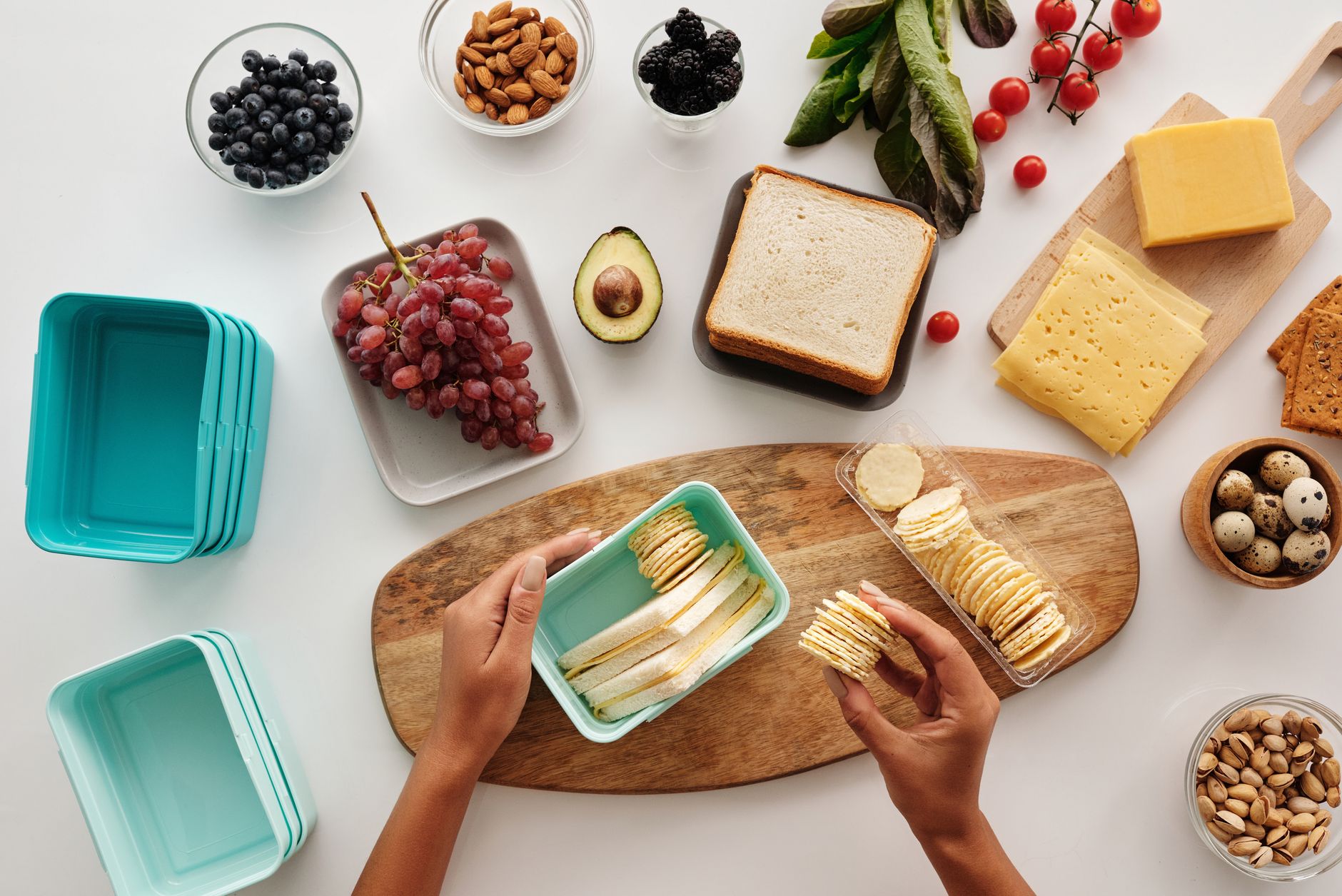
- Pre-portion your popcorn: Use small bowls or bags to serve yourself a controlled amount.
- Read nutrition labels: Pay attention to serving sizes listed on packaged popcorn to avoid excess calories.
- Pair with healthy snacks: Combine popcorn with fruits or vegetables to create a more balanced snack.
The Role of Popcorn in a Balanced Diet
Whole Grain Benefits
Popcorn is a whole grain, meaning it retains its bran, germ, and endosperm. This whole grain status contributes to its dietary fiber content, making it a beneficial addition to a balanced diet. Fiber is important for digestive health, as it helps regulate bowel movements and supports a healthy gut microbiome.
Incorporating whole grains like popcorn into your diet can offer several health benefits:
- Promotes satiety: The fiber in popcorn can help you feel fuller for longer, which may aid in weight management.
- Supports heart health: Whole grains have been associated with a reduced risk of heart disease due to their ability to lower cholesterol and blood pressure.
- Enhances digestive health: A high-fiber diet is linked to better gut health and may reduce the risk of certain gastrointestinal disorders.
Incorporating Popcorn into Meals and Snacks
Popcorn can be a versatile ingredient in meals and snacks beyond just a standalone treat. It can be used creatively in various dishes to enhance flavor and texture while providing additional fiber. Here are some ideas for incorporating popcorn into your meals:
- Popcorn Salad: Mix air-popped popcorn with chopped vegetables, beans, and a light vinaigrette for a crunchy salad.
- Popcorn Trail Mix: Combine popcorn with nuts, seeds, and dried fruits for a nutritious snack.
- Popcorn Topping: Use crushed popcorn as a topping for soups or casseroles to add a crunchy element.
Mindful Eating Practices with Popcorn
Practicing mindful eating can enhance your enjoyment of popcorn while helping you stay aware of portion sizes and calories. Mindfulness encourages you to focus on the eating experience, making it easier to appreciate the flavors and textures while preventing overeating. Consider the following tips for mindful popcorn consumption:
- Eat Slowly: Take your time to savor each bite, which can help you recognize when you are satisfied.
- Avoid Multitasking: Try to limit distractions, such as watching TV, while eating to remain aware of your snack intake.
- Engage Your Senses: Pay attention to the aroma, texture, and taste of the popcorn as you eat.
Popcorn in Popular Diet Trends
Popcorn and Low-Carb Diets
With the rise of low-carb diets, some might wonder where popcorn fits in. While popcorn is a whole grain and relatively low in calories, it is also a carbohydrate-rich food. For individuals following strict low-carb diets, such as the ketogenic diet, popcorn may need to be consumed in moderation due to its carbohydrate content. A typical serving of popcorn contains about 15-20 grams of carbohydrates.
However, for those who are not strictly limiting carbohydrates, popcorn can be a satisfying snack, especially when enjoyed plain or with minimal toppings. It’s essential to consider your overall carbohydrate intake when incorporating popcorn into your diet.
Popcorn in Plant-Based Diets
For individuals following a plant-based diet, popcorn is an excellent snack option. It is naturally vegan and gluten-free while providing a good source of fiber and antioxidants. Its versatility allows it to be flavored with a variety of plant-based toppings, such as nutritional yeast or spices, adding flavor without excessive calories.
Here are some ideas for plant-based popcorn toppings:
- Nutritional Yeast: Adds a cheesy flavor without the calories of cheese.
- Spices: Try chili powder, garlic powder, or paprika for added flavor.
- Herbs: Fresh herbs like rosemary or thyme can provide a delicious twist.
Popcorn and Intermittent Fasting
Intermittent fasting has gained popularity as a weight management strategy, and popcorn can be a suitable snack during eating periods. Its low-calorie yet satisfying nature makes it an excellent option for those adhering to an intermittent fasting regimen. When consumed in moderation, popcorn can help curb cravings and provide a healthy source of energy.
For those practicing intermittent fasting, consider the following tips for incorporating popcorn:
- Measure Servings: Keep track of portion sizes to maintain caloric control.
- Pair with Protein: Combine popcorn with a protein source, such as nuts or seeds, to create a balanced snack.
- Stay Hydrated: Drink water alongside your popcorn to enhance satiety and overall enjoyment.
Frequently Asked Questions
Is popcorn a healthy snack option?
Yes, popcorn can be a healthy snack when prepared without excessive fats. Air-popped popcorn is low in calories and high in fiber, making it a great choice for a nutritious snack.
How many calories are in a serving of popcorn?
The calorie count for popcorn varies by preparation method. Air-popped popcorn contains about 90 calories per 3 cups, while buttered or oil-popped popcorn can range from 150 to 500 calories per serving depending on the toppings.
Can I eat popcorn on a diet?
Absolutely! Popcorn can be a part of a weight management plan if consumed in moderation and prepared healthily. Watch your portion sizes and avoid high-calorie toppings to keep your snack within your dietary goals.
What is the best way to flavor popcorn without adding calories?
To flavor popcorn without adding many calories, consider using herbs, spices, or nutritional yeast. These options add flavor without the extra fat and calories typically found in butter or cheese.
The Bottom Line
Understanding how many calories are in a bag of popcorn is essential for making informed snacking choices. Popcorn can be a healthy, low-calorie snack option when prepared correctly. By choosing air-popped popcorn, controlling portions, and being mindful of toppings, you can enjoy this delightful snack without compromising your health goals. Remember to always check nutrition labels for accurate information, and consult with a healthcare professional for personalized dietary advice.
Note: This article is for general information only and is not medical advice. See a qualified health professional about your own situation.