Key Takeaways
- Most adults should aim for 21 to 38 grams of fiber daily depending on age and gender.
- Fiber supports heart health, blood sugar stability, and smooth digestive function.
- Increase your fiber intake gradually to avoid common side effects like gas and bloating.
- Prioritize whole foods like fruits, vegetables, legumes, and whole grains to meet your daily goals.
How Much Fiber Should I Eat a Day?
Have you ever found yourself asking, “How much fiber should I eat a day?” You’re not alone! Many people are curious about how much fiber is right for them and why it’s important for our health. Fiber is a special part of plant-based foods that our bodies can’t really digest, but that doesn’t mean it’s not essential. In fact, fiber plays a crucial role in keeping our digestion smooth, helping control blood sugar levels, and even supporting heart health. But how do you know if you’re eating enough of it?
Knowing the right amount of fiber to include in your meals can feel a little confusing, especially with all the information out there. The good news is that it’s actually pretty straightforward! In this article, we’ll break down what fiber is, how much you should aim for in your daily diet, and the best foods to help you reach that goal. So, grab your favorite snack, settle in, and let’s dive into the world of fiber!
What is Fiber?
Fiber is a type of carbohydrate found in plant foods, and it comes in two main forms: soluble and insoluble. Soluble fiber dissolves in water and can help lower cholesterol and stabilize blood sugar. You can find soluble fiber in foods like oats, beans, and apples. On the other hand, insoluble fiber doesn’t dissolve in water; it adds bulk to your stool and helps food move through your digestive system. Foods rich in insoluble fiber include whole grains, nuts, and vegetables.
Both types of fiber are important for overall health. Soluble fiber helps to keep us full and regulates blood sugar, while insoluble fiber promotes healthy digestion and can prevent constipation. That’s why getting enough fiber daily is essential for our bodies!
How Much Fiber Should You Eat Daily?
So, how much fiber should you eat a day? The general recommendation for adults is about 25 grams for women and 38 grams for men. By the time you’re over 50, those numbers decrease slightly to 21 grams for women and 30 grams for men. But remember, these are just general guidelines! Your individual needs may vary based on factors like age, physical activity level, and overall health.
If you’re aiming to increase your fiber intake, it’s best to do it gradually. Introducing too much fiber at once can lead to bloating, gas, or cramps. So take your time and adjust your diet to help your body get used to it. Have you considered keeping a food diary to track your daily fiber intake? This might provide you with an idea of how much you currently eat!
Common Causes of Low Fiber Intake
There could be a few reasons why some people don’t get enough fiber. One possible reason is simply not including enough variety in your diet. Many processed foods are low in fiber because the refining process removes the fiber content. Another common factor is a lack of awareness about high-fiber foods or how to prepare them. In some households, people may lean more towards quick, convenient options, which might lack fiber.
Research suggests that people who eat more fruits and vegetables, along with whole grains, tend to consume more fiber. If there’s room for improvement in your diet, consider incorporating more whole foods like beans, legumes, and fruits into your meals!
Signs and Symptoms of Low Fiber Intake
So, how do you know if you might not be getting enough fiber? Some common signs include constipation or irregularity in your bowel movements. You might also feel sluggish or fatigued. On the flip side, a sudden increase in fiber can lead to gas and bloating. It’s essential to differentiate between occasional discomfort and more chronic symptoms. If you notice that digestive issues persist even as you adjust your fiber intake, it might be a good idea to talk with a healthcare professional.
What Can Make Low Fiber Intake Worse?
Several lifestyle habits can contribute to low fiber intake. For instance, a diet high in processed foods and low in fruits and vegetables is a significant factor. If you’re not hydrating well, insufficient water intake can compound the effects of low fiber. Additionally, a sedentary lifestyle can slow digestion, potentially leading to constipation. Stress can also interfere with healthy eating habits, leading to quick meals that might skimp on fiber.
Foods Rich in Fiber
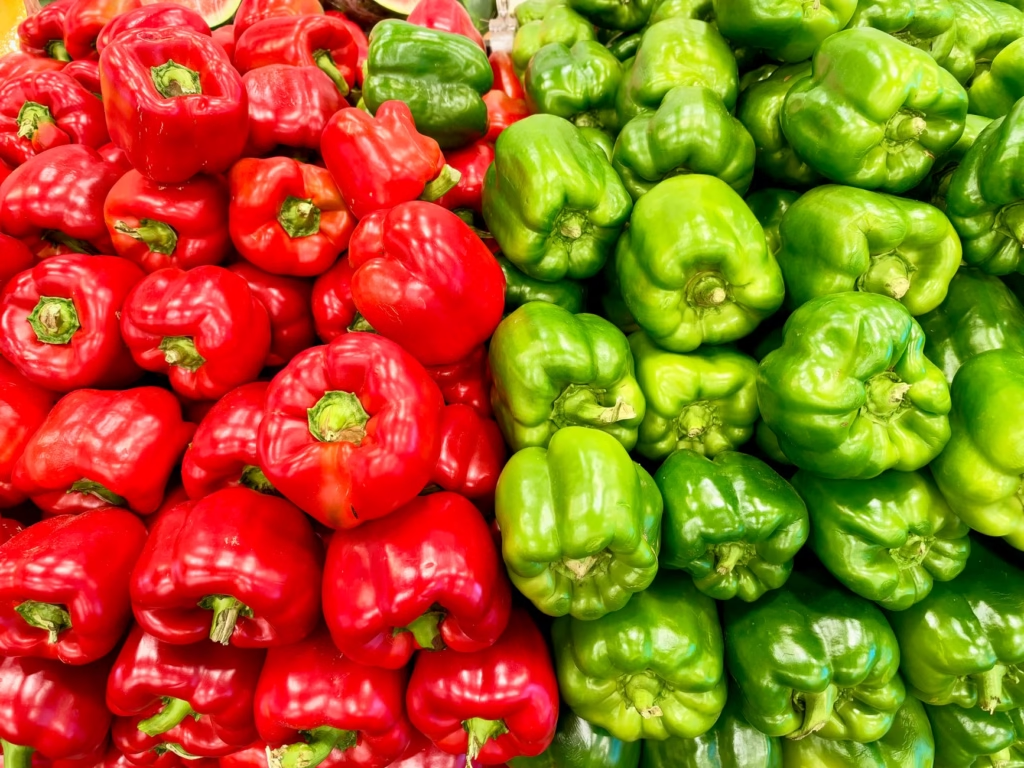
If you’re looking for delicious ways to increase your fiber intake, there are plenty of options. Here are some high-fiber foods to consider:
- Fruits: Berries, pears, and apples (with the skin) are great choices.
- Vegetables: Broccoli, carrots, and spinach are all fiber-rich options.
- Whole grains: Oats, quinoa, and brown rice provide excellent fiber content.
- Legumes: Lentils, beans, and chickpeas are fiber powerhouses!
- Nuts and seeds: Almonds, chia seeds, and flaxseeds are tasty additions to many dishes.
When trying to boost your fiber intake, remember that everyone’s digestive system is a little different. Foods that some people find easy to digest can cause discomfort for others, so it’s essential to pay attention to your body and what feels right.
What Can We Do?
Here are some practical tips to help you increase your daily fiber intake:
- Add fruits and veggies to every meal: Start with breakfast smoothies or have some carrot sticks as a snack.
- Choose whole grains: Opt for whole grain bread, pasta, or cereals instead of their refined counterparts.
- Incorporate legumes: Add beans or lentils to soups and salads for an extra fiber boost.
- Snack on nuts: Keep almonds or walnuts handy for healthy, high-fiber munching.
- Upgrade your recipes: Try using whole grain flour or incorporating oats into baked goods.
These simple changes can help you gradually work towards the recommended fiber intake without feeling overwhelmed!
When Should You See a Doctor?
While it’s crucial to aim for a balanced diet and adequate fiber intake, there are certain situations where you might consider seeing a healthcare professional. If you experience:
- Severe or persistent constipation
- Blood in your stool
- Unexplained weight loss
- Severe abdominal pain
- Symptoms that persist or worsen despite dietary changes
Talking to a doctor can help ensure there are no underlying health issues that require attention. Remember that it’s always better to be safe and get an expert opinion when in doubt!
Frequently Asked Questions
Why am I always struggling with how much fiber should I eat a day?
If you find fiber intake challenging, it may be due to dietary choices or a busy lifestyle that prioritizes convenience. Aim to batch-cook or plan meals with higher fiber content.
Can food intolerances affect how much fiber I should eat?
Yes, food intolerances can lead some people to avoid fiber-rich foods, especially if they experience discomfort after eating certain fibers. Consult a healthcare professional for personalized advice.
What are the best sources of soluble fiber?
Soluble fiber can be found in oats, apples, beans, and citrus fruits, among others. These foods dissolve in water, providing that cholesterol-lowering effect!
Does drinking more water help with fiber intake?
Absolutely! Staying hydrated is essential when increasing fiber intake. Water helps fiber do its job in promoting regular digestion.
Is it necessary to take fiber supplements?
Most people can meet their fiber needs through whole foods alone. However, if you’re struggling to get enough fiber from your diet, supplements could be an option. Always consult a healthcare professional before starting any new supplement.
When is it best to start increasing fiber intake?
There’s no “best” time, but it’s good to start incorporating more fiber gradually. This could be as simple as adding a piece of fruit to your breakfast or trying a whole-grain snack in the afternoon!
Can fiber help with weight management?
Yes! Fiber can help you feel fuller for longer, which may aid in weight management. Including fiber-rich foods can support a balanced diet that helps curb hunger.
Do I need to count fiber grams?
While it can be helpful to know your fiber intake, listening to your body is essential. If you feel satisfied, energetic, and healthy, you’re likely on the right track!
What the Research Says About How Much Fiber Should I Eat a Day?
Research shows that a diet high in fiber is linked to a lower risk of several chronic diseases, including heart disease, type 2 diabetes, and certain cancers. A systematic review conducted by the American Gastroenterological Association supports these benefits (American Gastroenterological Association, 2020). Similarly, studies published in journals like The Lancet indicate that individuals who consume more fiber tend to have healthier weights, better digestion, and improved heart health (The Lancet, 2019).
However, it’s important to recognize that individual needs for fiber may vary. While most studies highlight the benefits of fiber, ongoing research is needed to determine precisely the right intake for different populations and age groups.
Simple Daily Habits That May Support Better Health
Integrating more fiber into your diet doesn’t have to be a daunting task! Here are a few simple habits to consider:
- Check labels: When grocery shopping, look for products that have at least 3 grams of fiber per serving.
- Keep snacks handy: Stock up on fiber-rich snacks for those busy days when you want something quick.
- Plan meals: Prepare simple, fiber-packed meals to help maintain consistent intake over the week.
- Involve family: Encourage family members to join you in trying new fiber-rich recipes, cooking can be fun!
Final Thoughts
We often underestimate the role that fiber plays in our overall health. By understanding how much fiber should I eat a day, we can take beneficial steps towards better digestion, improved heart health, and overall wellness. Remember, the recommended intake is about 25-38 grams, but this can vary for each individual.
As you start to explore fiber-rich foods, keep it simple and make gradual changes that feel sustainable for you. Our bodies thrive on variety and balance, so don’t hesitate to try out new fruits, vegetables, and grains! And if you start noticing persistent symptoms or discomfort, don’t hesitate to reach out to a healthcare professional for personalized advice.
Let’s enjoy this journey towards better health together, one fiber-rich meal at a time!

Sources and References
American Gastroenterological Association: AGA Institute Guidelines for the Management of Patients with Constipation. 2020. https://www.gastro.org/guidelines/constipation
The Lancet: Dietary fibre and health outcomes: A systematic review and meta-analysis. 2019. https://www.thelancet.com/journals/lancet/article/PIIS0140-6736(19)31229-6/fulltext
National Institutes of Health: Fiber. MedlinePlus. Date accessed October 2023. https://medlineplus.gov/fiber.html
Mayo Clinic: Dietary fiber: Essential for a healthy diet. Date accessed October 2023. https://www.mayoclinic.org/healthy-lifestyle/nutrition-and-healthy-eating/expert-answers/dietary-fiber/faq-20058181
Cleveland Clinic: The Benefits of Fiber: Your Ultimate Guide. Date accessed October 2023. https://health.clevelandclinic.org/benefits-of-fiber/
Harvard T.H. Chan School of Public Health: Fiber. Date accessed October 2023. https://www.hsph.harvard.edu/nutritionsource/fiber/

Medical Disclaimer
This article is for general educational and informational purposes only. It is not intended to provide medical advice, diagnosis, or treatment. Health conditions can affect people differently, and information that is appropriate for one person may not be appropriate for another. If you have persistent, severe, or concerning symptoms, speak with a qualified healthcare professional for personalized advice.
Further Reading
Ivf Shot Schedule: 10 Things You Should Know
Omeprazole and Alcohol: Is It Safe to Mix?
what does a growth spurt in pregnancy feel like
Frequently Asked Questions
Does cooking vegetables reduce their fiber content?
Generally, cooking vegetables does not significantly reduce their fiber content. While some heat-sensitive vitamins may decrease, the fiber remains intact and is often easier for the body to digest.
Can fiber help with hemorrhoids?
Yes, increasing dietary fiber helps soften stool and adds bulk, which reduces the strain during bowel movements. This can be very helpful in preventing or managing the symptoms of hemorrhoids.
Should I focus on soluble or insoluble fiber?
A healthy diet should include a mix of both types. Soluble fiber helps with cholesterol and blood sugar, while insoluble fiber supports regularity and digestive movement.
Are there any medications that interact with fiber?
Fiber can sometimes interfere with the absorption of certain medications. If you take prescription drugs, it is best to space them out from your fiber-rich meals or supplements and consult your pharmacist.
The Bottom Line
Prioritizing fiber is a simple and effective way to support your long-term health and digestive comfort. By slowly adding more whole plant foods to your plate, you can easily meet your daily goals. Listen to your body as you make these adjustments, and enjoy the many benefits of a fiber-rich lifestyle.