Key Takeaways
- Nose job costs vary widely based on multiple factors.
- Surgeon expertise and location significantly impact pricing.
- Financing options are available for cosmetic procedures.
- Consultation is crucial for personalized cost estimates.
When considering a cosmetic procedure, one of the first questions that arises is, “How much is a nose job?” The cost of rhinoplasty, commonly known as a nose job, can vary significantly based on various factors. Understanding these factors can help you prepare for this transformative procedure, whether for cosmetic reasons or to improve breathing.
Nose jobs can be a life-changing decision for many individuals, whether they seek to enhance their appearance or correct functional issues. It is essential to consider not just the monetary cost, but also the potential impact on your self-esteem and quality of life. This comprehensive guide aims to equip you with the knowledge you need regarding the costs associated with rhinoplasty.
In this article, we will explore the factors that influence the price of a nose job, average costs across different regions, what the procedure entails, financing options, and much more. By the end, you will have a clearer understanding of how much you might expect to spend on this cosmetic surgery.
Factors Influencing the Cost of a Nose Job
The cost of a nose job can be affected by several key factors. Understanding these components will give you a better idea of what to expect when budgeting for your surgery.
1. Surgeon’s Experience and Reputation
One of the most significant factors influencing the cost of a nose job is the surgeon’s experience and reputation. Highly skilled and board-certified plastic surgeons typically charge more due to their expertise and successful track record. Patients often prefer these surgeons for their proficiency, which can lead to better outcomes.
Surgeons with more years of experience tend to have higher fees. It’s also worth noting that surgeons who are recognized for their innovative techniques or have received accolades in their field may charge a premium for their services. As a result, choosing a surgeon based solely on cost may not always yield the best results.
2. Geographical Location
The region where you choose to have your nose job performed can significantly affect the overall cost. Urban areas with a higher cost of living, such as large cities, typically have higher surgical fees. Conversely, smaller towns may offer lower prices due to lower overhead costs and less demand.
For example, the average cost of a nose job in New York City may be substantially higher than in a mid-sized city in the Midwest. It’s essential to compare prices in different locations and consider travel expenses if you choose a surgeon outside your immediate area.
3. Type of Rhinoplasty
There are generally two types of rhinoplasty: open and closed. Open rhinoplasty involves an external incision and may require more surgical time, leading to increased costs. Closed rhinoplasty, on the other hand, is performed through internal incisions, often resulting in lower fees.
The complexity of the surgery also matters. If you need additional procedures, such as septoplasty (to correct a deviated septum) or other enhancements, this can further increase the cost. Patients should discuss their specific needs during the consultation to get a comprehensive estimate.
Average Costs of a Nose Job
The average cost of a nose job in the United States can vary widely, typically ranging from $5,000 to $15,000. Below is a breakdown of average costs in different regions:
| Region | Average Cost |
|---|---|
| East Coast (New York, Boston) | $8,000 – $15,000 |
| West Coast (Los Angeles, San Francisco) | $7,000 – $14,000 |
| Midwest (Chicago, Detroit) | $5,000 – $10,000 |
| South (Miami, Atlanta) | $6,000 – $12,000 |
These figures are averages and may vary based on the factors discussed earlier. It’s crucial to note that these costs typically cover only the surgeon’s fees and do not include anesthesia, facility fees, or post-operative care, which can add several thousand dollars to the total.

What Does the Cost Include?
When budgeting for a nose job, it is essential to understand what the quoted price includes. Generally, the cost can be broken down into several components:
- Surgeon’s Fee: This is the primary cost associated with the procedure and varies based on the surgeon’s expertise.
- Anesthesia Fees: Depending on the type of anesthesia used, this can add $500 to $2,000 to your total cost.
- Facility Fees: The cost of using the surgical facility, which can range from $1,000 to $3,000.
- Preoperative and Postoperative Care: This includes consultations, follow-up visits, and any necessary medications.
It is advisable to clarify with your surgeon what is included in the quoted fee to avoid any surprises later on.
Financing Options for a Nose Job
Given the significant cost of rhinoplasty, many patients consider financing options to make the procedure more manageable. Several payment plans and financing solutions can help you afford a nose job:
1. Medical Credit Cards
Specialized medical credit cards are designed to help patients finance healthcare expenses. These cards often offer promotional interest rates and deferred payment options for a limited time. It’s essential to read the terms carefully to understand any potential interest rates after the promotional period.
2. Personal Loans
Patients may consider taking out a personal loan to cover surgery costs. This option allows for a fixed monthly payment over a set term, making it more predictable for budgeting.
3. Payment Plans
Many plastic surgeons offer in-house financing or payment plans that allow patients to pay for their procedures in installments. These plans can vary significantly, so it’s essential to inquire about terms, interest rates, and payment schedules during your consultation.
Preparing for Your Nose Job
Once you have decided to proceed with a nose job, adequate preparation is key to ensuring a smooth process. Here are some tips to help you prepare:
1. Consultation with Your Surgeon
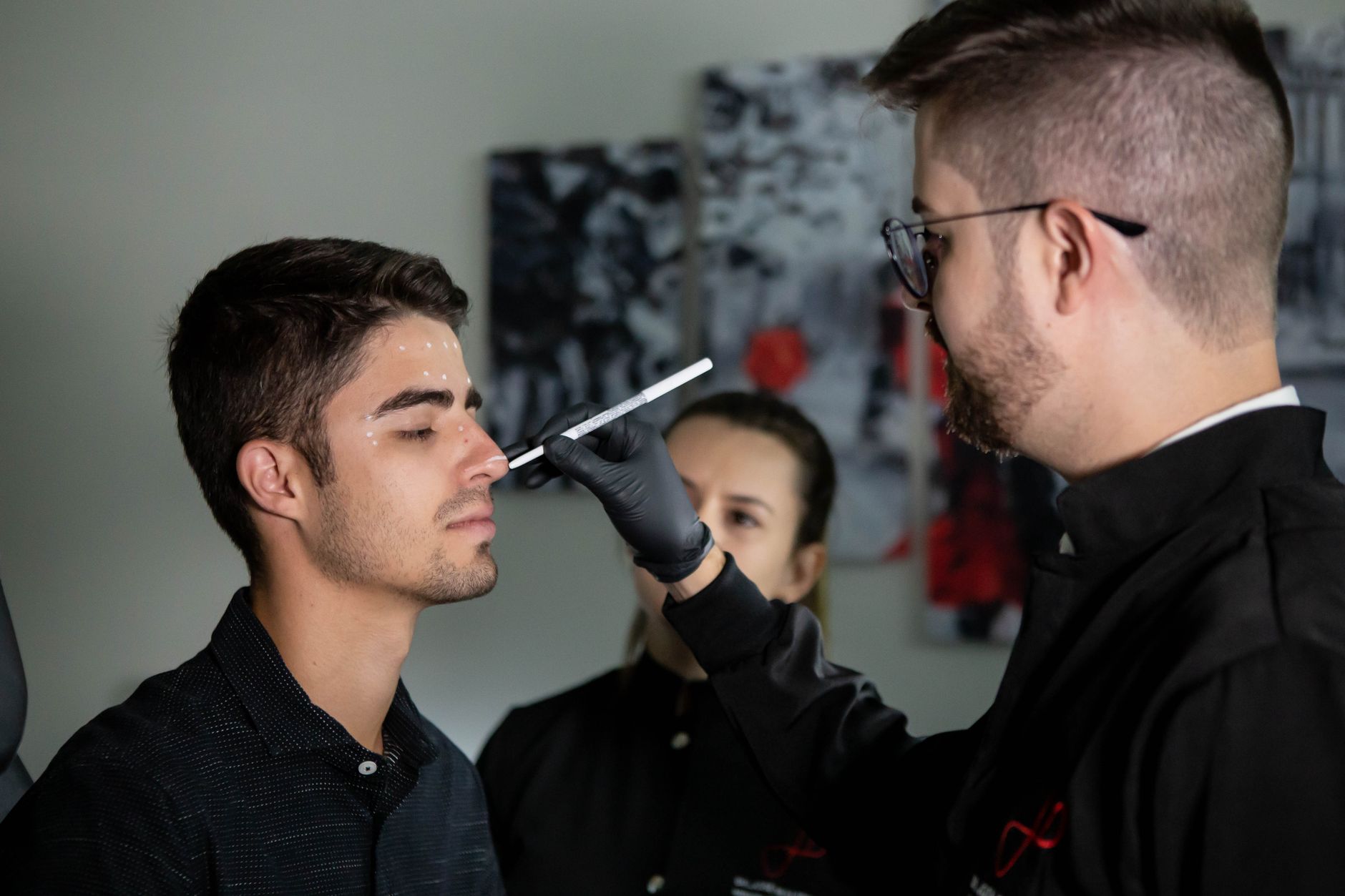
Schedule a thorough consultation with your chosen surgeon. During this meeting, discuss your goals, expectations, and any concerns. The surgeon will evaluate your nasal structure, skin type, and overall health to recommend the best approach for your surgery.
Bring a list of questions to your consultation. Understanding the procedure, recovery time, and any potential risks involved will help you make an informed decision.
2. Preoperative Guidelines
Your surgeon will provide specific preoperative instructions, which may include avoiding certain medications, quitting smoking, and refraining from alcohol consumption. Following these guidelines is crucial to minimize complications during surgery.
3. Arrange for Postoperative Care
Plan for your recovery by arranging for someone to drive you home after the procedure and help you during the initial recovery period. Having support will ensure a smoother healing process.
Recovery Process After a Nose Job
Understanding the recovery process following a nose job is essential for setting realistic expectations. Recovery can vary based on the individual and the complexity of the surgery.
1. Initial Recovery Phase
Immediately after the surgery, you will likely experience swelling, bruising, and discomfort. These symptoms are normal and can be managed with prescribed medications. Most patients are advised to rest for the first few days and avoid strenuous activities.
During the first week, you may need to keep your head elevated and avoid blowing your nose. Your surgeon will provide specific instructions on how to care for your nose and when you can return to normal activities.
2. Long-Term Recovery
While initial recovery may take one to two weeks, complete healing can take several months. Swelling may persist for some time, but most patients can expect significant improvements in their appearance within the first few weeks.
It’s crucial to attend follow-up appointments to ensure proper healing and monitor any potential concerns. Your surgeon will guide you on when you can resume physical activities, including exercise.
3. Results and Satisfaction
The final results of your nose job may take up to a year to fully develop. Many patients experience improved self-esteem and satisfaction with their appearance. However, it’s essential to have realistic expectations regarding the outcome and understand that results can vary.

Types of Nose Jobs and Their Costs
Open vs. Closed Rhinoplasty
Rhinoplasty can be broadly categorized into two techniques: open and closed rhinoplasty. Open rhinoplasty involves making an incision across the columella, the skin between the nostrils, allowing for greater visibility and access to the nasal structures. This method is often preferred for more complex cases, which can increase the overall cost.
Closed rhinoplasty, on the other hand, is performed through incisions made inside the nostrils. This technique is less invasive, typically resulting in reduced swelling and a quicker recovery time. However, it may not be suitable for all patients, particularly those seeking extensive reshaping of the nasal structure.
- Open Rhinoplasty: Generally ranges from $7,000 to $15,000.
- Closed Rhinoplasty: Typically costs between $5,000 and $12,000.
Non-Surgical Rhinoplasty
Non-surgical rhinoplasty, often referred to as a liquid rhinoplasty, is a less invasive option that uses dermal fillers to alter the shape of the nose temporarily. This procedure can enhance the nasal contour, smooth out bumps, or lift the tip without the need for surgery. The results can last from six months to two years, depending on the type of filler used.
The cost for non-surgical rhinoplasty is significantly lower than traditional rhinoplasty, making it an attractive option for those hesitant to undergo surgery. However, additional costs may arise from the need for repeat treatments to maintain the desired results.
- Average Cost: Ranges from $600 to $1,500 per session.
- Common Fillers Used: Hyaluronic acid (e.g., Juvederm, Restylane) and calcium hydroxylapatite (e.g., Radiesse).
Revision Rhinoplasty
Revision rhinoplasty is a secondary procedure performed to correct or improve the results of an initial rhinoplasty. This type of surgery can be more complex, often requiring additional techniques to address issues such as asymmetry, breathing difficulties, or dissatisfaction with the aesthetic outcome. As a result, the cost of revision rhinoplasty is typically higher than that of the initial procedure.
The price of revision rhinoplasty can vary widely based on the complexity of the case and the surgeon’s expertise. Patients seeking revision surgery should be prepared for a comprehensive evaluation and a potentially extended recovery period.
- Average Cost: Usually between $10,000 and $30,000.
- Considerations for Revision:
- Complexity of the initial surgery
- Surgeon’s experience with revision cases
- Extent of tissue damage or scar tissue
Insurance Coverage and Nose Jobs
When Insurance May Cover Rhinoplasty
In some cases, health insurance may cover part or all of the cost of rhinoplasty if it is deemed medically necessary. This typically applies to procedures that address structural issues affecting breathing, such as a deviated septum or nasal obstruction. Patients must provide documentation from their healthcare provider to support the medical necessity of the surgery.
For patients considering surgery for cosmetic reasons, it’s important to understand that most insurance plans do not cover elective procedures. Each insurance policy is different, and patients are encouraged to check their specific coverage details and speak with their insurance provider for clarification.
- Potential Coverage Scenarios:
- Deviated septum correction
- Repair of nasal fractures
- Breathing difficulties related to nasal structure
Steps for Insurance Approval
Obtaining insurance coverage for rhinoplasty typically involves several steps. Patients should be prepared to navigate the process carefully to maximize their chances of approval.
- Consultation: Schedule an appointment with a qualified ENT specialist or plastic surgeon.
- Documentation: Gather medical records, photographs, and any relevant information supporting the need for surgery.
- Pre-authorization: Submit a pre-authorization request to your insurance provider with the necessary documentation.
- Follow-Up: Be proactive in communicating with both your physician and insurance company throughout the approval process.
Appealing Denied Claims
If an insurance claim is denied, patients have the right to appeal the decision. The appeals process can be complicated, but understanding the steps can help in securing coverage. Common reasons for denial include lack of medical necessity or insufficient documentation.
- Appeal Steps:
- Review the denial letter for specific reasons.
- Gather additional documentation or letters from doctors supporting the medical necessity.
- Submit a formal appeal within the specified time frame.
Frequently Asked Questions
1. Is a nose job covered by insurance?
In general, rhinoplasty is considered a cosmetic procedure and is not covered by insurance. However, if the surgery is performed for medical reasons, such as correcting a deviated septum, insurance may cover some costs. Always check with your insurance provider for specific details.
2. How long does the procedure take?
The duration of a nose job can vary based on the complexity of the procedure but typically lasts between one to three hours. Your surgeon will provide a more accurate estimate during the consultation.
3. What are the risks involved?
As with any surgery, there are risks involved with rhinoplasty, including infection, scarring, and dissatisfaction with results. It’s essential to discuss these risks with your surgeon to make an informed decision.
4. Can I get a nose job if I have allergies?
Having allergies is not an automatic disqualifier for rhinoplasty. However, it is crucial to discuss your allergies with your surgeon during the consultation, as they may influence your recovery and the procedure itself.
The Bottom Line
Understanding “How much is a nose job” involves considering multiple factors, including the surgeon’s experience, geographical location, and the type of rhinoplasty. Costs can vary widely, and patients should also factor in additional expenses such as anesthesia and facility fees. Financing options are available for those who require assistance in managing the costs.
Preparation for the surgery and understanding the recovery phase is vital for a successful outcome. Always consult with a qualified surgeon to discuss your specific situation and to receive personalized guidance tailored to your needs.
Note: This article is for general information only and is not medical advice. See a qualified health professional about your own situation.