





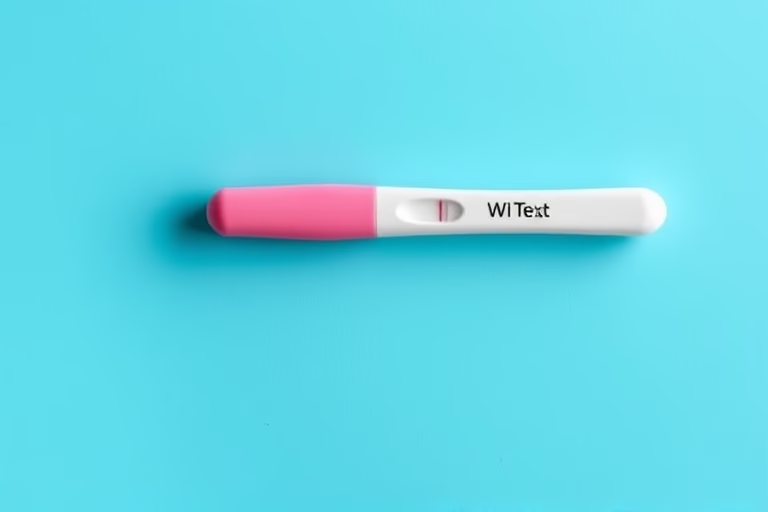
We will be talking about how soon after implantation bleeding can I test positive. Understanding implantation bleeding is essential for those trying to conceive. It often raises questions about the timeline for testing positive on a pregnancy test. Implementing this knowledge can help one gain insight into the early signs of pregnancy.
Implantation bleeding occurs when a fertilized egg attaches itself to the uterine lining. This usually takes place about 6 to 12 days after conception. It is often lighter in color and flow compared to menstrual bleeding, usually lasting a few hours to a few days. Many women experience this marking a potential early sign of pregnancy. Testing for pregnancy too soon after this bleeding can result in inaccurate results. The levels of hCG, a hormone that pregnancy tests detect, may not be high enough immediately following implantation. Thus, understanding the timeline after implantation bleeding is crucial for getting a positive pregnancy test result.
Understanding Implantation Bleeding
Implantation bleeding is simply a sign of a potential pregnancy. Occurring approximately a week after conception, it can be confusing for those who may mistake it for an early period. Its appearance can vary; it may be light pink or brown instead of the normal bright red associated with menstruation. Knowing how to differentiate between implantation bleeding and a period can aid in recognizing the early signs of pregnancy. The average duration of this bleeding is short, usually between a few hours to a couple of days. Keep in mind, the timing, color, and intensity provide clues to differentiate it from menstruation. Understanding these nuances is essential for anyone trying to conceive.
Timing of Pregnancy Tests After Implantation Bleeding
The timing for taking a pregnancy test after implantation bleeding can considerably influence the accuracy of the results. If you test too early, you may receive a negative result even if you are pregnant. The body requires time to build up sufficient hCG levels to detect pregnancy. Typically, it is advisable to wait at least a few days after observing implantation bleeding before testing. This waiting period allows the hCG hormone to rise to detectable levels. For many women, waiting one week post-implantation gives a higher chance of a positive result as the hormone levels increase significantly. Knowing this timeline can save individuals from unnecessary anxiety associated with testing too early.
How to Identify Implantation Bleeding vs Period
For those trying to conceive, distinguishing between implantation bleeding and a regular menstrual period can be crucial. While implantation bleeding is typically lighter, it can also be shorter in duration compared to a regular period. It often occurs earlier than a typical cycle and may happen along with mild cramping. In contrast, menstrual bleeding tends to be heavier and lasts several days. Observing these differences can assist in understanding your body better. Keeping track of cycle patterns in a journal may also aid in differentiating between the two, leading to a more informed decision when considering pregnancy tests.
Common Symptoms Accompanying Implantation Bleeding
Accompanying implantation bleeding, individuals might experience a variety of early pregnancy symptoms. These symptoms can include mild cramping, nausea, fatigue, and breast tenderness, among others. Recognizing these symptoms can help indicate a potential pregnancy. While every woman experiences symptoms differently, these signs in conjunction with implantation bleeding can serve as a strong indicator of pregnancy. This knowledge can motivate individuals to monitor their condition and correlate their symptoms with possible pregnancy, leading to timely pregnancy tests.
Testing Methods for Pregnancy
There are several methods for testing pregnancy after noticing implantation bleeding. Home urine tests are the most common due to their convenience and ease of use. It is important to follow the instructions on the package carefully. Blood tests, conducted in a medical setting, can confirm pregnancy earlier than home tests. The two types of blood tests include qualitative tests that detect the presence of hCG and quantitative tests that measure the exact levels of the hormone. While home tests are usually adequate, consulting with a healthcare professional for a blood test can provide additional peace of mind if hCG levels need to be evaluated sooner.
Understanding the Role of hCG Hormone
The human chorionic gonadotropin hormone, or hCG, is produced shortly after conception. Its levels can indicate the viability of a pregnancy. Initially low, hCG levels rise rapidly during the first trimester, which is vital for confirming pregnancy. Understanding hCG’s role can clarify why timing is key. As a general rule, home pregnancy tests work best when hCG reaches about 20 mIU/mL. Recognizing this peak helps understand when to test post-implantation bleeding. Monitoring changes in hCG levels also plays a critical role in assessing pregnancy health, leading to tailored consultation with healthcare providers.
The Emotional Aspect of Testing Positive for Pregnancy
Testing for pregnancy is often an emotional experience, especially when implantation bleeding occurs. The uncertainty and anticipation can lead to a mix of hope and anxiety. Knowing when to test and what signs to look for can help manage these emotions. Preparing for different outcomes can ease some of the psychological stress involved in the testing process. It’s crucial to remember that regardless of the test outcome, seeking support from friends, family, or healthcare providers can greatly help in managing emotions during this stressful time.
Next Steps after a Positive Pregnancy Test
If a pregnancy test yields a positive result after the presence of implantation bleeding, it is recommended to consult a healthcare professional promptly. Early prenatal care is vital for mom and baby. During this appointment, healthcare providers will offer advice on nutrition, supplements, and lifestyle adjustments necessary for a healthy pregnancy. Additionally, confirming the pregnancy through a blood test may be advisable to ensure proper health monitoring. Identifying the next steps after a positive test can foster a supportive environment, leading to a healthier journey ahead.
Consultation with Healthcare Providers
Close communication with healthcare providers is crucial during the early stages of pregnancy. They provide valuable insights, personalized recommendations, and essential health checks for both mother and baby. Discussing symptoms, including implantation bleeding or any concerns, ensures comprehensive healthcare. Establishing a strong partnership with medical professionals can lead to optimal prenatal care and advice tailored to individual needs. It’s important to foster this relationship as it contributes to healthy outcomes during pregnancy.
Conclusion
Understanding “how soon after implantation bleeding can I test positive” plays a significant role in navigating the early stages of pregnancy. Recognizing implantation bleeding can help differentiate it from menstruation. Knowing the correct timing to take a pregnancy test can significantly affect the results, as too early testing may yield inaccurate findings. Additionally, being aware of accompanying symptoms can keep you informed about your body’s changes. Various testing methods provide options for confirmation, while understanding the vital role of hCG can guide the timing for accurate results. Emotional aspects are often intertwined with testing, making it crucial to approach testing thoughtfully and seeking support when necessary. Clear communication with healthcare providers can enhance this journey by offering guidance and support, promoting a healthier pregnancy experience. Overall, clarity on these topics empowers those trying to conceive and decreases uncertainty, allowing individuals to navigate their reproductive health confidently.
Frequently Asked Questions
1. What does implantation bleeding feel like?
Implantation bleeding usually feels different from a regular period. Women often describe it as a light spotting or mild cramping, typically lighter in color than menstrual blood.
2. Can I take a pregnancy test immediately after noticing implantation bleeding?
It’s advisable to wait a few days after implantation bleeding to take a pregnancy test for more accurate results due to the gradual rise in hCG levels.
3. How long does implantation bleeding last?
Implantation bleeding generally lasts a few hours up to a maximum of three days, which can help distinguish it from standard menstrual bleeding.
4. Is implantation bleeding a guaranteed sign of pregnancy?
While it can be an early sign of pregnancy, not all women experience implantation bleeding. Its absence does not necessarily indicate a lack of pregnancy.
5. What if I experience heavy bleeding after implantation bleeding?
Heavy bleeding should be discussed with a healthcare provider to rule out potential complications. It may not align with typical implantation bleeding.
Further Reading
What Type of Psychotherapy Is Best for Anxiety?