





Understanding Implantation Bleeding
Implantation bleeding occurs when a fertilized egg attaches to the lining of the uterus. This process typically happens around 6 to 12 days after conception, often leading many women to wonder how soon they can test positive for pregnancy following this event. Implantation bleeding is usually lighter than a typical menstrual flow and can vary in color from light pink to dark brown. It’s important to distinguish this type of bleeding from a normal period, as it may indicate the early stages of pregnancy.
This confusion prompts numerous questions surrounding pregnancy testing and the timing of testing after implantation bleeding. For many, understanding what implantation bleeding entails adds crucial context to their pregnancy journey. This article explores the timeline for testing positive after experiencing implantation bleeding, clarifying how hormonal changes affect pregnancy tests and what to expect during early pregnancy symptoms.
What is Pregnancy Testing?
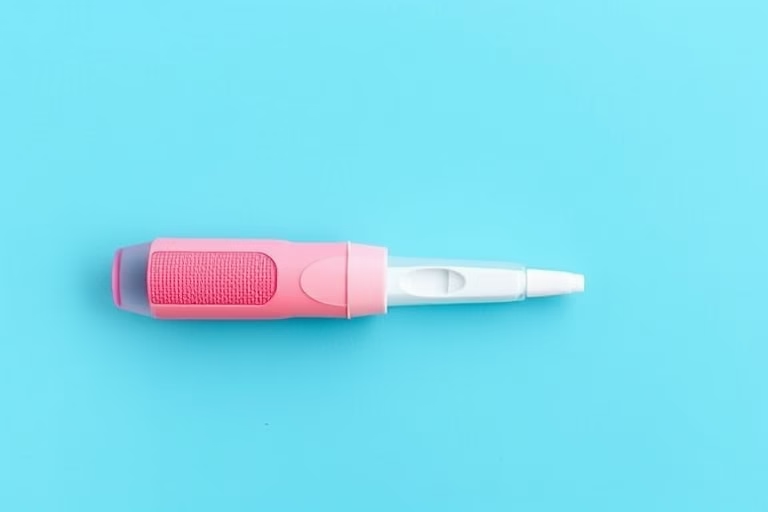
Pregnancy tests are designed to detect the presence of the hormone human chorionic gonadotropin (hCG) in a woman’s urine or blood. hCG levels rise substantially during early pregnancy, appearing shortly after implantation takes place. Typically, most standard home urine tests are effective a few days after a missed period, or around two weeks post-ovulation. However, if you suspect pregnancy due to symptoms or experiencing implantation bleeding, testing may provide insights sooner.
Understanding how pregnancy tests work is essential for accurate testing results. Urine tests are convenient and commonly used at home, while blood tests — conducted in medical settings — can detect hCG earlier and often provide a quantitative result. Being aware of these testing options enables women to make informed decisions about their health.
Timing of Implantation Bleeding
Timing plays a crucial role in the relationship between implantation bleeding and hCG levels. Generally, implantation occurs between 6 to 12 days after ovulation, but it may vary for different women. Understanding this timeline helps set expectations when considering pregnancy testing.
The earliest a woman might test positive is approximately 10 days after ovulation if implantation bleeding occurs early. However, not all women will experience implantation bleeding, and the absence of this symptom does not necessarily indicate that pregnancy has not occurred.
It’s vital to remember that each woman’s cycle is unique; those with irregular cycles may find this timing even more challenging. Consulting with a healthcare professional can provide clarity on timing and testing based on an individual’s unique circumstances.
When to Take a Pregnancy Test
The ideal time to take a pregnancy test is after a missed period, but having an understanding of potential early signs can be beneficial. If you’ve had implantation bleeding, waiting a few days can increase accuracy.
For most women, testing around 14 days after ovulation, or the first day of a missed period, is recommended. Early testing can yield varying results due to low hCG levels that may not be detectable. If an early test yields a negative result, but symptoms persist, it’s advisable to retest a few days later.
For women wanting to test sooner, using sensitive early detection pregnancy tests can be beneficial. Look for tests that claim they can detect hCG levels up to six days before your missed period. Even still, the accuracy may not be as high as testing later.
Interpreting Test Results
Understanding how to interpret pregnancy test results is crucial. If the test is positive — this generally means hCG has been detected, indicating pregnancy. However, a false negative can occur if testing is too early or if the test is not used correctly.
It’s essential to follow the manufacturer’s instructions for both urine and blood tests. Pay attention to timing and check for the appearance of the test line. If in doubt, retesting after a couple of days or consulting a healthcare professional for hCG blood tests can provide further clarity.
Women should also be aware of the potential for multiple pregnancies, as those carrying twins or more tend to have higher hCG levels, possibly resulting in a positive test earlier than usual.
Factors That Influence Testing Accuracy
Several factors affect the accuracy of pregnancy tests. Variability in individual hormone levels influences how soon one can test positive after implantation bleeding. Other contributing factors include the type of pregnancy test used, the timing of the test, and any medications such as fertility drugs that may alter hCG levels.
Home tests, although incredibly reliable when used correctly, can have different sensitivities based on the brand. Some tests require higher hCG levels to show positive results. In contrast, blood tests conducted in medical settings can detect lower levels and generally provide more precise readings.
Moreover, testing at the right time is essential. Testing before the optimal time can lead to unnecessary anxiety and confusion regarding results. If you’re uncertain, don’t hesitate to seek guidance from healthcare professionals to understand your individual situation better.
Early Pregnancy Symptoms
Early symptoms of pregnancy can offer additional context beyond testing results. Some women may experience signs such as fatigue, nausea, breast tenderness, and changes in appetite shortly after implantation.
Tracking these symptoms can be helpful, particularly for those trying to conceive. Noteworthy, though, is that many early pregnancy symptoms can resemble pre-menstrual symptoms, causing further confusion in determining if one is pregnant. Understanding the differences and keeping a record of your cycle and symptoms can aid in recognizing pregnancy signs more clearly.
It’s recommended to consult a healthcare professional regarding these symptoms, particularly if they’re severe or unusual. Early prenatal care is essential for ensuring a healthy pregnancy.
Common Myths About Implantation Bleeding
There are many myths surrounding implantation bleeding and pregnancy tests. Understanding what is true versus what is not can alleviate confusion for women experiencing these early pregnancy signs.
For instance, many believe that all women experience implantation bleeding, whereas it is only experienced by some. Additionally, the notion that heavy bleeding is a good indicator of pregnancy is misleading; in fact, implantation bleeding is typically much lighter than a menstrual period.
Educating oneself about these misconceptions can provide comfort and clarity during what can be a confusing time. Reliable resources and consultations with healthcare providers are recommended to navigate the complexities of early pregnancy signs and symptoms.
Final Thoughts
Understanding how soon one can test positive after implantation bleeding is essential for women embarking on their pregnancy journey. Several factors influence this timeline, including individual menstrual cycles, the timing of implantation, and the type of pregnancy test being used. The key takeaway is to be aware of how hCG levels rise after implantation and how this correlates with testing methods.
Women should also consider their medical history and any medications that might impact hCG levels. Tracking symptoms and consulting healthcare providers can be beneficial to gain clarity on the pregnancy journey. A clear understanding of the various tests available, when to take them, and what the results mean helps in making informed decisions.
For those experiencing implantation bleeding, understanding that it typically occurs 6 to 12 days after ovulation reinforces the importance of timing when testing. These insights support better comprehension of one’s reproductive health and anxiety over potential pregnancy outcomes. The wait may be taxing, but accurate information can alleviate uncertainty.
Frequently Asked Questions
1. What color is implantation bleeding?
Implantation bleeding can range from light pink to dark brown. It is usually lighter than a typical menstrual flow.
2. How long does implantation bleeding last?
Implantation bleeding typically lasts a few hours to a few days, and it is much lighter than a normal menstrual period.
3. Can I test positive the day after implantation bleeding?
Testing the day after implantation bleeding may yield inaccurate results. It is best to wait a few days after the anticipated date for a missed period before testing.
4. Is implantation bleeding a confirmed sign of pregnancy?
Implantation bleeding is a potential sign of pregnancy but not every woman experiences it. Other signs may also indicate pregnancy.
5. What should I do if I have symptoms but a negative test?
If symptoms persist but tests are negative, wait a few days and consider retesting. Consult a healthcare professional for further guidance as well.
Further Reading
What Type of Psychotherapy Is Best for Anxiety?