





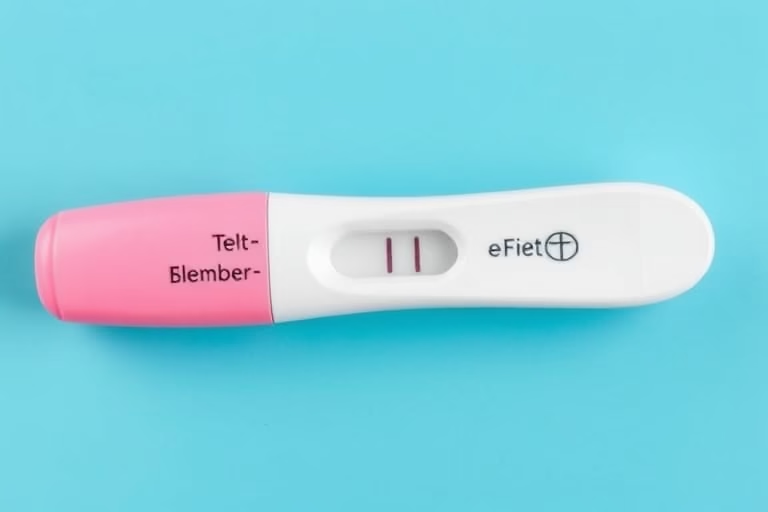
Understanding Implantation Bleeding
When discussing how soon to take a pregnancy test after implantation bleeding, it is essential to understand exactly what implantation bleeding is. Implantation bleeding is a light spotting that occurs when a fertilized egg attaches itself to the lining of the uterus. This usually happens about six to twelve days after conception. For many women, this can be one of the first signs of pregnancy. It is typically lighter in color and flow than a regular menstrual period and may be pink or brown rather than bright red. It is important to recognize the timing and characteristics of this bleeding, as monitoring it can help you determine the right time to take a pregnancy test.
Many women become curious about taking a pregnancy test after experiencing implantation bleeding. The question arises: when is the best time to test for pregnancy? Testing too early can lead to false negatives, consolidating any confusion and anxiety about your pregnancy status. Therefore, understanding the implications of timing can be crucial for those navigating the journey into motherhood.
Timing for the Pregnancy Test
One of the most common inquiries regarding pregnancy testing is about the optimal timing for testing after implantation bleeding. After implantation, the body begins to produce the hormone human chorionic gonadotropin (hCG), which pregnancy tests identify to confirm pregnancy. Generally, it takes about 3 to 4 days after implantation for hCG levels to become high enough to be detected in urine. Testing too soon, particularly within the first few days following implantation bleeding, might yield negative results even if you are pregnant.
If you experience implantation bleeding, it is advisable to wait at least one week to take a home pregnancy test. Most experts recommend waiting until the expected date of your next period for the most accurate results. During this time, your hCG levels should rise, improving the likelihood of a positive pregnancy test if you are indeed pregnant.
If the test result is negative and you still suspect you may be pregnant, waiting a few days to retest is wise, as hCG levels continue to increase during early pregnancy.
Understanding False Negatives
Understanding the concept of false negatives is crucial when considering pregnancy testing. A false negative occurs when a pregnancy test indicates that you are not pregnant despite the presence of pregnancy. This can often be a source of frustration and anxiety. Several factors can contribute to false negatives, including testing too early, not following the instructions on the test correctly, and even diluted urine if you drink excessive amounts of fluids before testing.
It is essential to monitor the timing of your tests and ensure you are using accurate methods. Performing a test in the morning can also improve accuracy since urine concentration levels are at their highest. Moreover, following the manufacturer’s instructions can ensure the best outcomes.
Signs of Early Pregnancy
Many women often look for early signs of pregnancy ahead of taking a pregnancy test. Apart from implantation bleeding, several other symptoms may indicate a pregnancy, including
- Missed period
- Nausea and vomiting (morning sickness)
- Sore or swollen breasts
- Increased urination
- Fatigue
If you notice several of these signs alongside implantation bleeding, it may be worthwhile to test for pregnancy. Each woman’s experience may differ, and some might experience symptoms more intensely than others.
Variations in Menstrual Cycle Impacting Testing
Your menstrual cycle can greatly affect when you should take a pregnancy test. If you have irregular menstrual cycles, pinpointing ovulation and calculating the ideal time for testing may become more complex. Understanding your cycle is vital. Most women ovulate about 14 days before their next period is due, but this can vary.
If you have a cycle that fluctuates significantly, it may be challenging to determine when implantation bleeding occurs or when to expect your period. Tracking your cycle using a calendar or an app can help better gauge these periods.
Beyond tracking, awareness of how your body feels and changes throughout the cycle remains essential for timely pregnancy testing.
The Role of Home Pregnancy Tests
Home pregnancy tests have become incredibly popular, providing quick and easy ways to assess pregnancy at home. These tests operate by detecting hCG levels in urine, offering results within minutes. However, not all tests are created equal.
When considering a home pregnancy test, look for the following features:
- Sensitivity to low hCG levels
- Clear instructions for use
- Reputable brand
- Expiration date
Some tests can detect pregnancy a few days before your missed period, while others offer results after the missed date. Pay attention to the instructions and suggested times for optimal accuracy. Many women appreciate tests that promise clear results, such as a ‘+’ or ‘–’ sign or a digital display indicating ‘pregnant’ or ‘not pregnant’.
Consulting Healthcare Professionals
In circumstances where your home pregnancy test yields unclear or negative results but suspicion of pregnancy remains high, consulting with a healthcare provider is advisable. A medical professional can conduct a blood test that provides more sensitive and accurate results compared to urine tests.
Additionally, healthcare providers can offer invaluable advice regarding your symptoms, menstrual cycle, and concerns about pregnancy. Open communication allows you to better understand your reproductive health and makes navigating this momentous stage easier.
Final Thoughts
In summary, understanding how soon to take a pregnancy test after implantation bleeding is crucial for reducing uncertainty during what can be an emotional phase of life. It is essential to wait at least one week after implantation bleeding to ensure that hCG levels have risen sufficiently for accurate detection.
A false negative can occur if testing is done too soon or incorrectly. Monitoring signs of early pregnancy and being aware of your menstrual cycle also plays a significant role. Home pregnancy tests are valuable tools, but understanding their limitations and consulting healthcare professionals for confirmation is equally vital.
As every woman’s body reacts differently, patience and careful attention can make this experience more manageable. Being informed and proactive sets the groundwork for a healthier pregnancy journey, should you be expecting.
Frequently Asked Questions
1. When is implantation bleeding most likely to occur?
Implantation bleeding typically occurs 6 to 12 days after conception when the fertilized egg attaches to the uterine lining.
2. Can I take a pregnancy test the same day as implantation bleeding?
No, it is recommended to wait at least several days or until the expected date of your next period for the most accurate results.
3. What are the signs of implantation bleeding?
Signs include light spotting, pink or brown color, and its occurrence being earlier than your typical period.
4. Are home pregnancy tests reliable?
Home pregnancy tests can be reliable if used correctly, especially when taken after the expected period date. Checking for sensitivity to hCG levels can enhance accuracy.
5. Does stress affect pregnancy testing accuracy?
Stress does not directly affect the accuracy of pregnancy tests; however, it might impact menstrual cycles and symptoms, skewing perceptions of pregnancy status.
Further Reading
What Type of Psychotherapy Is Best for Anxiety?